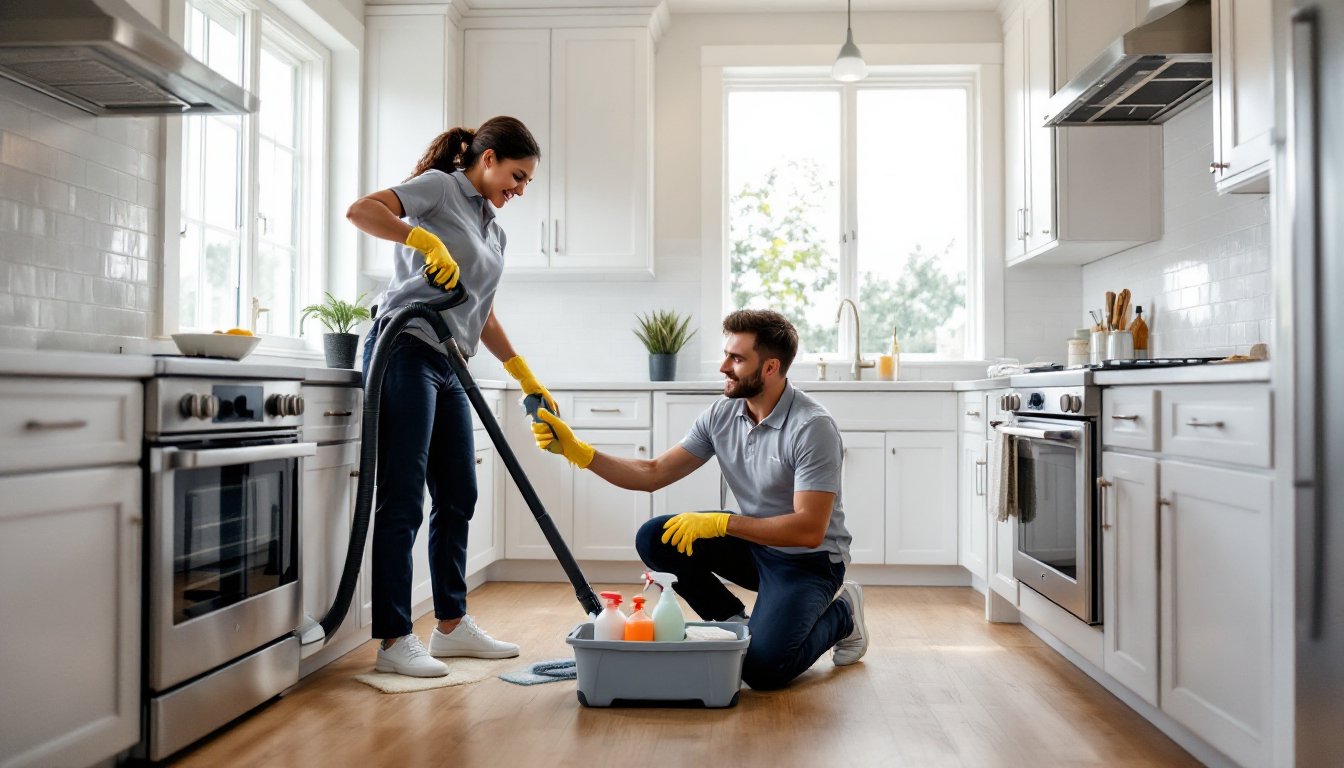

A clean house isn’t about obsession, it’s about maintaining a functional, comfortable space without overwhelming yourself. The key to managing household cleanliness isn’t heroic weekend deep cleans: it’s a sustainable rhythm of small, regular tasks. Whether you’re managing a 1,000-square-foot apartment or a sprawling family home, a solid house cleaning checklist keeps things manageable and prevents the chaos that builds when chores pile up. This guide breaks down exactly what needs doing daily, weekly, and monthly, so you can create a cleaning schedule for your home that actually fits your life and energy level.
Table of Contents
ToggleKey Takeaways
- A sustainable house cleaning checklist relies on small daily tasks (10–15 minutes) rather than overwhelming weekend deep cleans to prevent clutter buildup.
- Organize your cleaning environment by gathering supplies and assigning room priorities before starting, then set a realistic time budget to prevent burnout.
- Daily maintenance of kitchens, bathrooms, and high-traffic floors takes minimal time but dramatically reduces the effort required for weekly cleaning sessions.
- Dedicate 1–2 hours weekly to deeper cleaning tasks like scrubbing bathrooms, mopping floors, and changing sheets to tackle what daily maintenance cannot handle alone.
- Monthly and seasonal cleaning priorities, combined with a room-by-room rotation schedule, ensure every area gets thorough attention without neglect over time.
- Writing down your cleaning schedule increases consistency by 60%, so use a calendar, app, or checklist template that you’ll actually check regularly.
Getting Organized Before You Clean
Before diving into tasks, spend 15 minutes setting up your cleaning environment. Gather supplies in one spot: all-purpose cleaner, bathroom spray, microfiber cloths, a vacuum, and a mop. You don’t need expensive specialty cleaners: vinegar and baking soda handle most jobs cheaply and safely.
Decide which areas matter most for your family’s routine. A home with young kids needs frequent kitchen and living room attention: a single person might prioritize bathrooms and bedrooms. Write down your priorities, this becomes the backbone of your house cleaning schedule.
Assign roles if you have household members. Even a 10-year-old can handle light vacuuming or wiping counters. Breaking tasks into smaller pieces distributes the load and teaches responsibility. Finally, set a realistic time budget: how much can you honestly dedicate to cleaning each week? Honesty here prevents burnout.
Daily Cleaning Tasks to Maintain Order
Daily tasks are short, targeted actions that prevent buildup. You’re not deep cleaning: you’re maintaining.
Kitchen: Wipe counters and stovetop after meals. Load the dishwasher or wash dishes. A clean sink before bed prevents the morning dread of yesterday’s mess staring back at you.
Bathrooms: Squeegee the shower after use to prevent mold growth. Wipe the sink. Quick habit = huge payoff.
Living spaces: Do a 5-minute tidy: return items to where they belong, fluff pillows, fold throws. This keeps visual clutter manageable.
Floors: Sweep or vacuum high-traffic areas (kitchen, entryway). Spills and crumbs tracked through the house multiply quickly.
These tasks take 10–15 minutes total if you’re consistent. The psychological win of a tidy kitchen or cleared counter is worth far more than the time spent. You’ll also notice that when you handle small messes immediately, weekly cleaning becomes significantly easier.
Weekly Cleaning Tasks for Deeper Results
Once daily habits are solid, dedicate one to two hours per week to deeper cleaning. This is where you tackle what daily maintenance can’t handle alone.
Bathrooms: Scrub toilets, sinks, and tub/shower. Check grout for mold: address it immediately with a brush and bathroom cleaner. Clean mirrors. Swap out towels and bath mats. If you’re looking for a comprehensive approach, a guide to house cleaning tools helps you select brushes and sprays that won’t wear you out.
Kitchen: Clean the stovetop and microwave. Wipe cabinet fronts. Check the fridge for expired items. Mop the floor, this is bigger than a daily sweep.
Bedrooms: Change sheets. Vacuum under the bed and in corners. Dust surfaces and nightstands.
Living areas: Dust all surfaces, baseboards, and light switches (germy spots no one mentions). Wipe down remote controls and phone chargers. Vacuum or mop thoroughly.
Laundry: Don’t let it pile up. One full laundry cycle weekly per person keeps clothes from mounting into a secondary project. Folding immediately after drying prevents wrinkles and keeps drawers organized.
If you’re short on time, a house cleaning plan that’s room-by-room breaks tasks into manageable chunks so you can tackle one room at a time rather than everything at once.
Monthly and Seasonal Cleaning Priorities
Monthly tasks address what accumulates over weeks and prepare you for seasonal shifts. Set aside 2–4 hours once a month for these.
Kitchen: Clean inside the microwave (heat a bowl of water with lemon for 3 minutes, then wipe). Wipe inside cabinets. Clean the oven. Descale the coffee maker.
Bathrooms: Scrub tile grout thoroughly. Clean inside cabinets. Wipe down exhaust fans and light fixtures.
Bedrooms & Living spaces: Dust ceiling corners, vents, and light fixtures. Wash windows (inside and out). Vacuum under furniture you can move.
Whole house: Wipe down door handles and light switches. Clean baseboards. Check for cobwebs and dust ceiling fans.
Seasonal shifts: As seasons change, swap out your focus. Spring calls for opening windows, washing curtains, and tackling exterior areas. Summer means checking AC filters and outdoor spaces. Fall requires cleaning gutters and preparing for winter. Winter is indoor-heavy, focus on high-touch surfaces and humidity control in bathrooms.
Room-by-Room Monthly Focus
Rotate attention across rooms so nothing gets neglected:
- Week 1: Master bedroom and guest rooms (change all sheets, dust thoroughly, vacuum under bed).
- Week 2: Bathrooms (grout, inside cabinets, exhaust fans, mirrors).
- Week 3: Kitchen (oven, microwave, cabinet interiors, appliance backs).
- Week 4: Living areas and entryway (baseboards, light fixtures, windows, door frames).
If a house deep cleaning guide is in your budget, professional services handle the heavy work, grout cleaning, window washing, or appliance deep cleans, freeing your time for daily and weekly maintenance.
Creating a Cleaning Schedule That Works
A cleaning schedule for home that’s realistic beats an ambitious one you’ll abandon. Here’s the formula:
Step 1: List your spaces. Count bedrooms, bathrooms, kitchen, living areas. Be specific about what “clean” looks like in each zone.
Step 2: Assign frequency. Kitchens and bathrooms? Weekly minimum. Guest rooms? Monthly or as-needed. Basements? Quarterly unless damp.
Step 3: Pick your format. Use a wall calendar, phone app, or spreadsheet, whatever you’ll actually check. Some people love a checklist template they print and check off: others prefer digital reminders.
Step 4: Build in flexibility. Life happens. If you miss Wednesday, do it Thursday. A missed day isn’t failure: it’s part of a realistic rhythm.
Step 5: Track what works. After a month, note which tasks took longer than expected and adjust. A task taking 30 minutes might need to move to a weekly slot instead of monthly, or you might invest in a better tool to speed it up.
According to resource guides on home cleaning practices, homeowners who write down their schedule, even loosely, are 60% more likely to stick with it than those who rely on memory. The visual reminder matters. If you’re managing multiple properties or a very large home, a DIY guide to fast effective cleaning offers strategies to work smarter, not harder.
Conclusion
A house cleaning checklist isn’t about perfection, it’s about rhythm and sustainability. Daily tasks take minutes and prevent chaos. Weekly work handles the depth. Monthly attention keeps everything from degrading. When you build a schedule that matches your life and energy, cleaning stops feeling like a burden and becomes just part of how you maintain your space. Start simple, adjust as needed, and remember: a lived-in home is always more important than a museum. The checklist is your tool, not your tyrant.