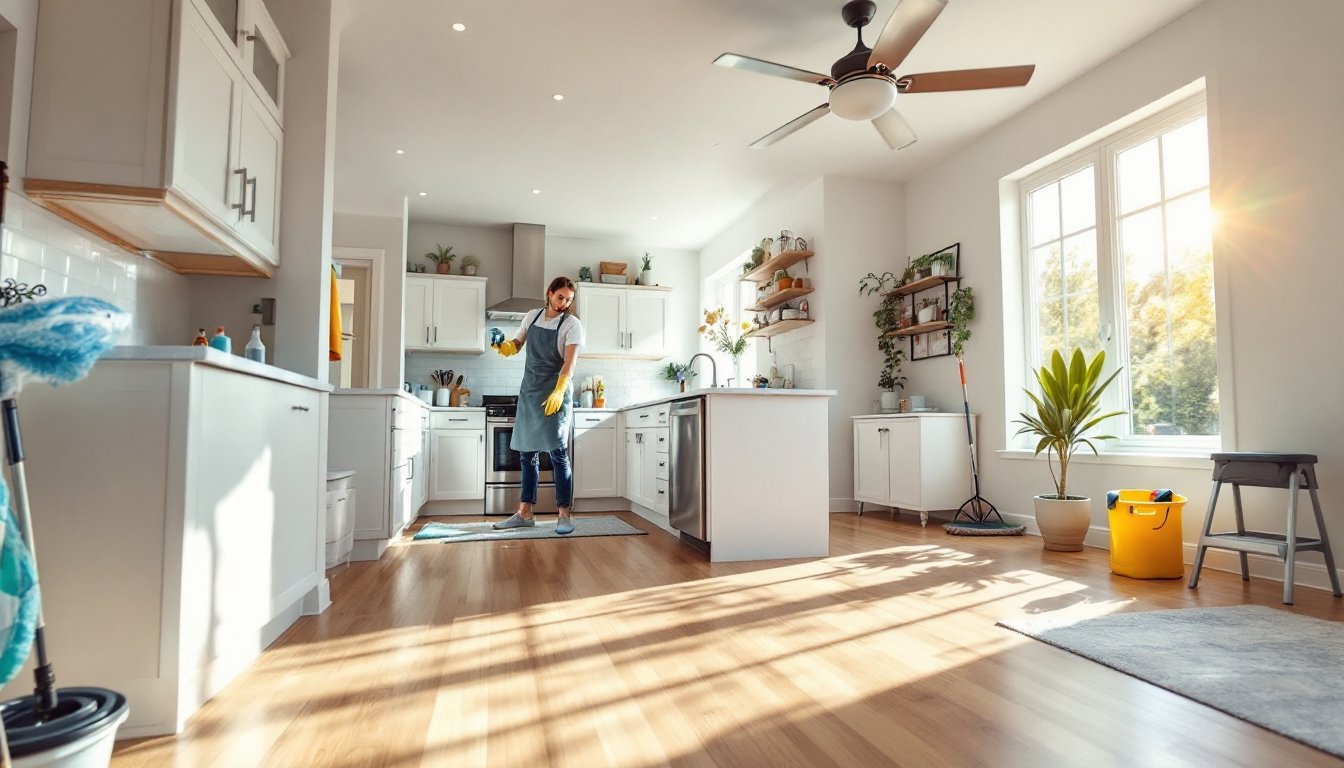

Your home accumulates more than just dust and clutter over time, it builds up grime, allergens, and stubborn residue that regular weekly cleaning can’t touch. Deep clean house cleaning services restore your home to a level of cleanliness that DIY efforts often miss, targeting hidden corners, baseboards, appliance interiors, and surfaces most people overlook. Whether you’re managing a busy household, recovering from a major event, or simply ready to refresh your living space, understanding what professional deep cleaning involves helps you decide if hiring a service makes sense. This guide covers everything from what separates deep cleaning from standard maintenance to how to find the right service provider near you.
Table of Contents
ToggleKey Takeaways
- Deep clean house cleaning services target hidden dirt in areas regular cleaning misses—such as baseboards, appliance interiors, grout, and ceiling fixtures—delivering noticeable results most homeowners can’t achieve alone.
- Professional deep cleaning typically costs $200–$1,200+ depending on home size and condition, with most mid-size homes (1,500–2,500 sq ft) ranging $400–$800, so comparing what’s included rather than choosing the lowest price ensures better value.
- Most homeowners benefit from scheduling professional deep cleaning annually or twice yearly if pets, children, or allergy sufferers are present, followed by consistent weekly vacuuming and monthly maintenance tasks.
- When selecting a deep cleaning service near you, verify licensing and insurance, check detailed customer reviews about actual results, confirm specific services are included (especially specialty items like oven interiors), and request eco-friendly options if anyone has sensitivities.
- A typical professional deep clean takes 4–8 hours and includes a pre-service walkthrough to discuss priorities, room-by-room execution with focused attention to detail work, and a final walk-through to confirm satisfaction.
What Exactly Is a Deep Clean and Why Your Home Needs One
The Difference Between Regular Cleaning and Deep Cleaning
Regular cleaning, vacuuming, wiping counters, mopping floors, keeps surfaces presentable week to week. Deep cleaning goes several layers further. It tackles the gunk behind refrigerators, inside oven cavities, under couch cushions, light fixture covers, ceiling fan blades, and door frames that collect dust over months.
A deep clean service for home typically involves breaking down a space into zones and treating each area with specialized attention. Baseboards get scrubbed, not just vacuumed around. Cabinet fronts and hardware get degreased. Tile grout gets brushed. Window tracks and sills, often neglected, receive dedicated work. Appliance exteriors and interiors both receive attention, including the back of the refrigerator coils that trap dust and reduce efficiency.
Most homeowners benefit from a professional deep cleaning annually, or twice yearly if pets, young children, or allergy sufferers live in the home. High-traffic rentals or homes being prepared for sale also need deep cleaning before showing. Unlike regular tidying, deep cleaning reveals how truly clean a home can feel, the difference is noticeable to anyone walking through the door.
Key Areas Professional Services Target
Professional deep cleaning services near me focus on areas that accumulate the most hidden dirt and allergens. Understanding what these services cover helps you know what to expect and whether the cost aligns with your priorities.
Kitchens and Bathrooms: These moisture-rich zones harbor mold, mildew, and bacterial buildup. Deep cleaning includes inside microwave cavities, oven interiors (including the self-cleaning cycle fallout), refrigerator coils, range hood filters, grout between tiles, and underneath sink cabinets. Bathrooms get similar treatment: toilet tank interiors, shower grout, exhaust fan grates, and behind mirrors.
Bedrooms and Living Areas: Deep cleaning reaches ceiling corners where cobwebs gather, baseboards along entire walls, inside closets and shelving, underneath beds and furniture, and light switches (which accumulate fingerprints and bacteria). Curtain tracks and air vents also get attention.
Floors and Carpets: Hard floors get stripped and sealed if needed. Carpets receive shampooing or steam cleaning to extract embedded dirt, pet dander, and dust mites. Transitions between rooms and under furniture edges receive thorough cleaning.
Often-Overlooked Areas: Doors and frames, cabinet interiors, appliance insides, picture frames, and windowsills rarely get touched during regular cleaning but collect significant dust over time.
How to Choose the Right Deep Cleaning Service for Your Home
Selecting a reliable cleaning service requires checking credentials, reading reviews, and clarifying what’s included in their deep clean package.
Verify Licensing and Insurance: Professional cleaners should carry liability insurance and, in many states, bonding. This protects you if damage occurs and ensures the company has met basic business standards. Ask for proof before hiring.
Read Recent Reviews: Check Google, Yelp, and trusted review sites for feedback mentioning specific results, did they actually get grout clean, did baseboards look better, did allergen symptoms improve after the service? Generic five-star reviews help less than detailed accounts from verified customers.
Get a Clear Estimate: A professional should either quote flat rates per square foot or per room, or send someone to assess your home before quoting. Pricing varies by region and home condition, so getting house cleaning costs in 2026 from reputable sources helps you benchmark reasonableness.
Confirm Services Included: Ask whether the estimate covers inside cabinets, behind appliances, ceiling fans, window treatments, and grout cleaning. Some services charge extra for specialty items like oven interiors or carpet shampooing.
Ask About Chemical Use: If anyone in your household has sensitivities, allergies, or concerns about strong cleaners, request eco-friendly or fragrance-free options. Many professional services now offer green cleaning alternatives.
Check Availability: Deep cleaning takes 4–8 hours depending on home size and condition. Ensure the service can schedule a full day when you’ll be home (or arrange key access securely).
What to Expect During a Professional Deep Clean
Knowing the workflow helps you prepare your home and set realistic expectations.
Pre-Service Walkthrough: Most professionals arrive early and walk through with the homeowner, discussing priorities, noting areas needing special attention, and pointing out any fragile items or off-limit zones. This is your chance to clarify expectations.
Decluttering and Preparation: The crew will move small items and furniture to access floors and baseboards. If your home is heavily cluttered, clearing off surfaces beforehand speeds up the work and reduces hourly costs if you’re paying by the hour.
Room-by-Room Execution: Typically, professionals start with bedrooms and living areas, moving to kitchens and bathrooms last. This keeps traffic flow logical and ensures moisture-intensive work happens when the crew can exit easily.
Detailed Work: Inside microwaves, ovens, and refrigerators takes focused time. Grout scrubbing, baseboards, ceiling fans, and light fixtures aren’t quick, they’re the difference between a surface clean and a true deep clean. Don’t expect this to feel rushed.
Final Walk-Through: A professional crew does a final check, discussing any concerns and confirming the homeowner’s satisfaction. Reputable services stand behind their work and address issues on the spot if possible.
Duration: Most deep cleans take 4–8 hours depending on home size (1,500–3,500 square feet typically needs 5–7 hours) and condition. Heavily soiled homes or those with neglected areas may require longer.
Deep Cleaning Costs and Getting the Best Value
Cost varies significantly by region, home size, condition, and what’s included. Understanding pricing helps you avoid overpaying or under-budgeting.
Typical Pricing Ranges: Most deep cleaning services charge $200–$500 for smaller homes (under 1,500 sq ft), $400–$800 for mid-size homes (1,500–2,500 sq ft), and $600–$1,200+ for larger homes or heavily soiled properties. Pricing guidance from industry sources confirms these ranges vary by market, urban areas and regions with high cost of living skew higher.
Factors Affecting Cost:
- Home size and layout complexity
- Current cleanliness level (heavily soiled homes cost more)
- Carpet or upholstery cleaning add-ons
- Specialty services (oven interior, window cleaning, grout sealing)
- Local labor costs and service demand
Getting Best Value: Rather than choosing based purely on lowest price, compare what’s included. A slightly higher quote that covers interior appliances and grout cleaning often delivers better value than a low quote that skips these areas. Ask whether they’re insured, bonded, and can provide references. A reputable company charging fairly for quality work beats a cheap provider you don’t trust.
Booking Efficiency: Scheduling during off-peak seasons (late fall or early winter) sometimes yields discounts. Many services also offer loyalty pricing if you schedule regular maintenance cleans between deep cleans.
Maintaining Your Home Between Deep Cleans
Professional deep cleaning resets your home’s cleanliness baseline, but maintenance between services keeps that level from declining too quickly.
Weekly Habits: Vacuuming high-traffic zones twice weekly, wiping kitchen and bathroom surfaces daily, and sweeping/mopping floors weekly prevents dirt from embedding again. These tasks take 2–3 hours per week for an average home, manageable for most households.
Monthly Focus Areas: Deep-clean baseboards, ceiling corners, and light switches monthly. Wipe down cabinet fronts and appliance exteriors. These 1–2 hour tasks prevent the grime from accumulating back to pre-professional-clean levels.
Quarterly Tasks: Every three months, tackle windows, window sills, and behind major appliances. Clean inside the microwave and refrigerator thoroughly. Shampoo high-traffic carpet areas or spot-clean upholstery.
Avoid Common Mistakes: Don’t let clutter pile up, it makes cleaning harder and allows dust to settle. Don’t postpone spill cleanup: dried stains and sticky spots take longer to remove. Don’t skip exhaust fans and vent filters: they accumulate dust quickly.
Most homeowners find that a professional deep clean every 6–12 months, supported by consistent weekly and monthly maintenance, keeps homes at a high standard without feeling overwhelming. Some room-by-room action plans provide frameworks for staying organized.