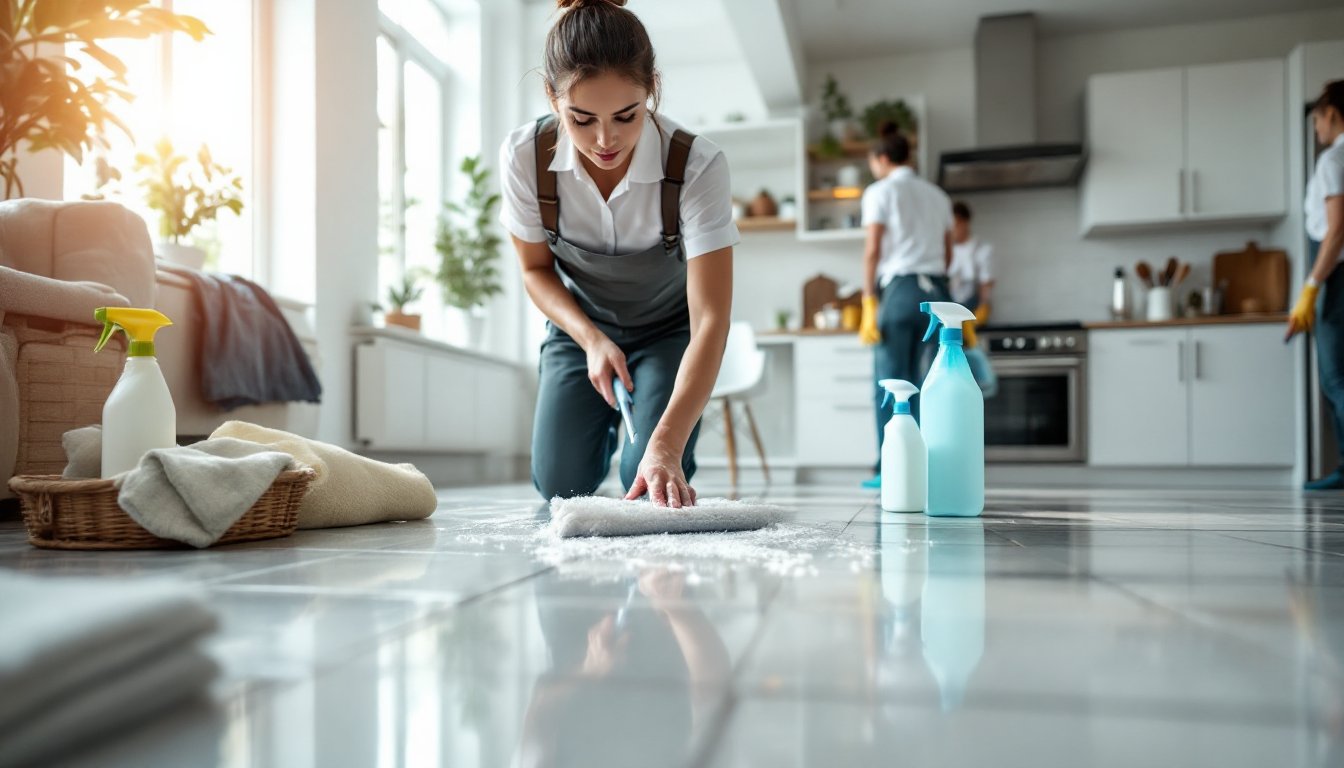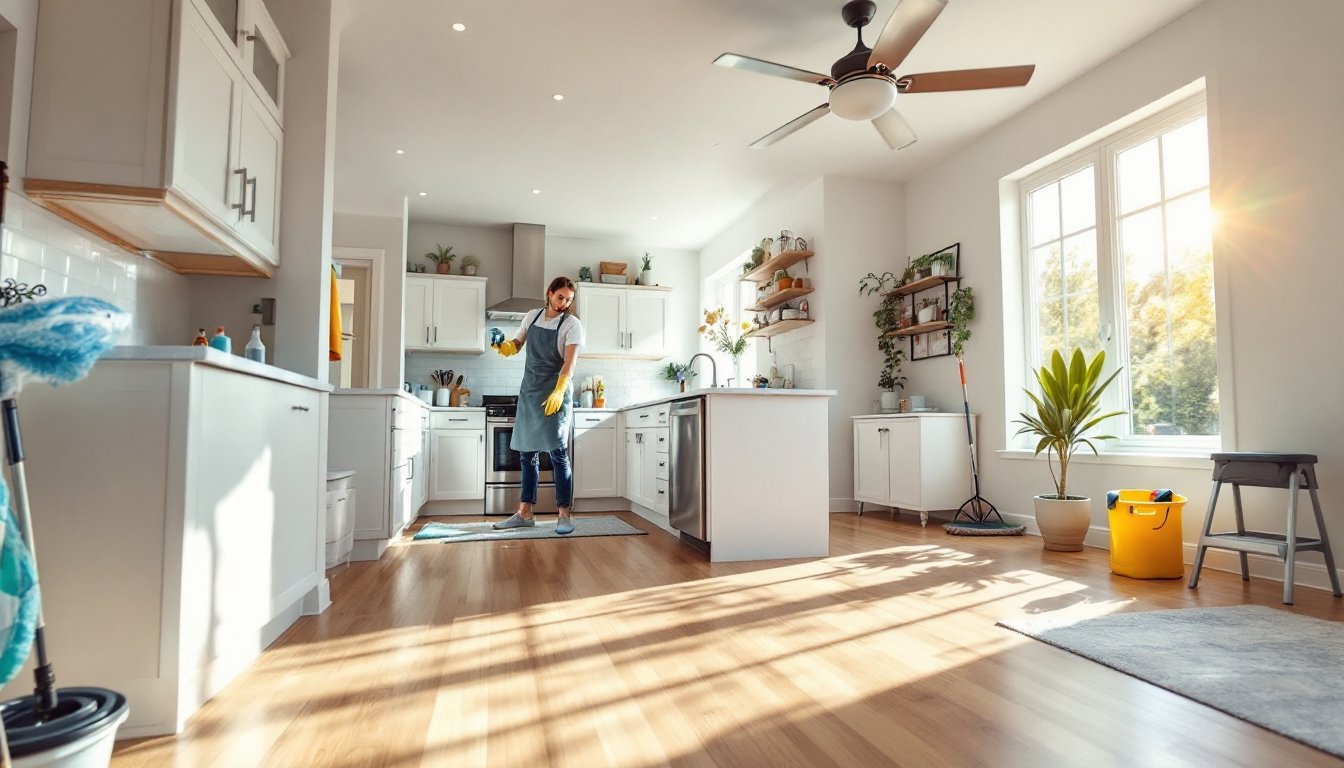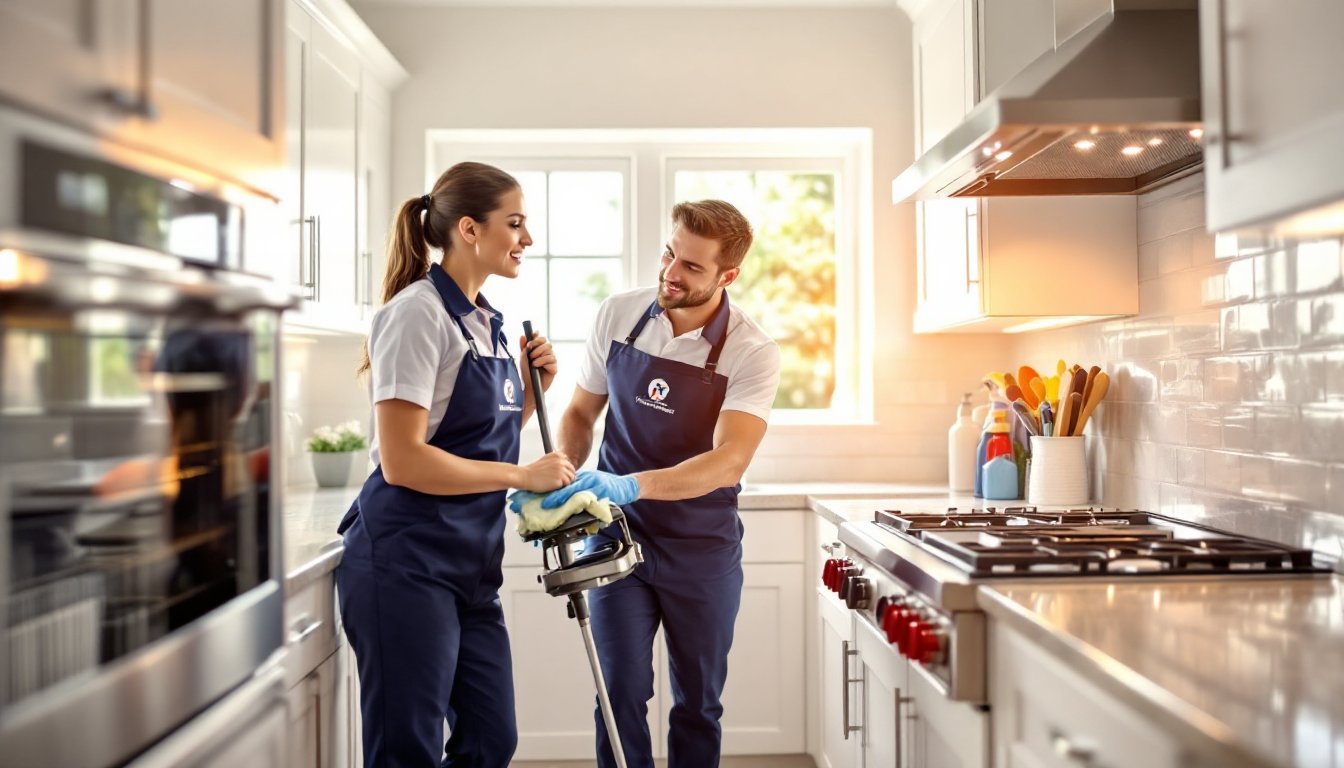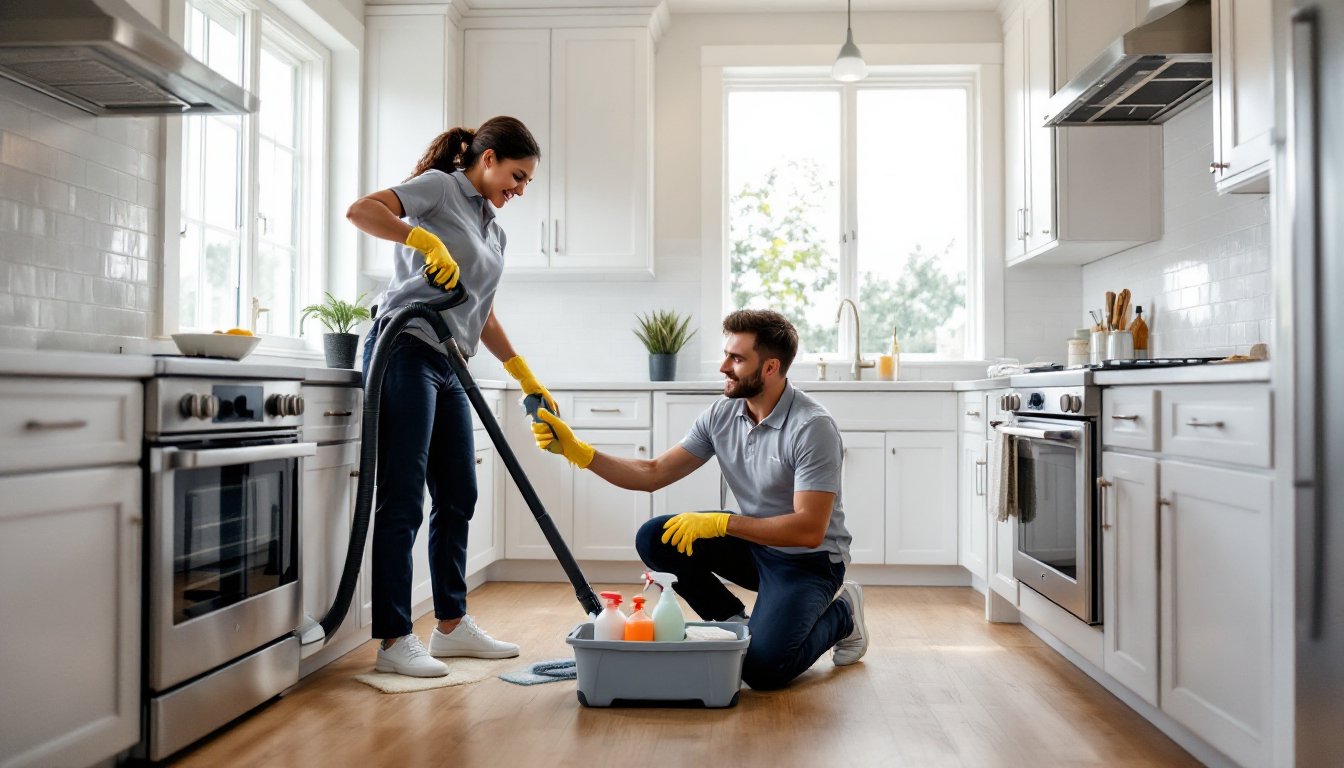
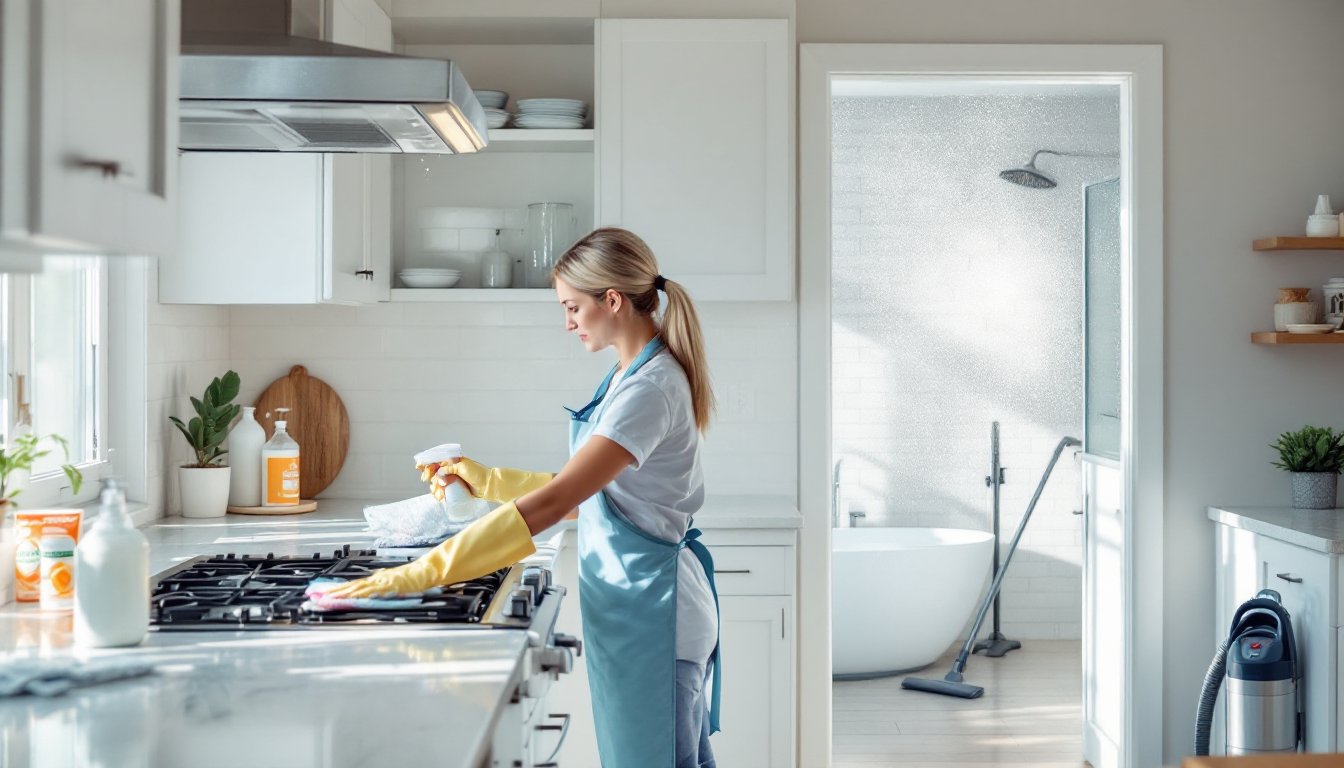
Deep cleaning isn’t the same as your weekly tidy-up. While regular tidying keeps surfaces clear and floors swept, deep cleaning tackles the grime, dust, and buildup that accumulates in corners, behind appliances, and inside cabinets. Whether you’re preparing for a major life event, battling seasonal allergens, or simply reclaiming your home from months of neglect, a structured approach saves time and ensures nothing gets overlooked. This guide walks you through a practical, room-by-room deep cleaning strategy designed for busy homeowners who want real results without unnecessary complexity.
Table of Contents
ToggleKey Takeaways
- House deep cleaning differs from regular tidying by targeting accumulated grime, dust, and buildup behind appliances and inside cabinets that daily efforts can’t reach.
- Most homes benefit from deep cleaning at least twice yearly in spring and fall, with more frequent efforts for households with pets or high foot traffic.
- Prep work is essential—declutter, dust from top to bottom, and assess what tasks need professional help before you start scrubbing to maximize efficiency.
- Focus on high-priority zones like kitchens and bathrooms first when you’re energized, since they accumulate grease, mold, and bacteria faster than other rooms.
- A full house deep cleaning takes 8–16 hours; batch tasks by room, use soaking time wisely, and recruit help to save 30–40% of your effort.
- Consistent 15-minute daily tidying and monthly light deep cleans preserve your results and prevent the overwhelming buildup that makes future deep cleaning more difficult.
Why Deep Cleaning Matters Beyond Regular Tidying
Regular cleaning maintains your home’s baseline cleanliness, but deep cleaning removes what daily efforts can’t reach. Over time, dust settles on ceiling fans and baseboards, grease builds up behind stovetops, mold and mildew develop in bathroom grout, and pet hair embeds itself into carpet fibers. These accumulations don’t just look bad, they affect indoor air quality, harbor allergens, and can damage surfaces if left unchecked.
Deep cleaning also extends the life of your home’s materials. Grout sealed properly after deep cleaning lasts longer. Hardwood floors maintained thoroughly resist wear better. Carpet refreshed seasonally resists premature aging. Beyond preservation, many homeowners report feeling a genuine sense of calm and control after completing a thorough deep clean, it’s not just a psychological win, it’s a practical reset for your living space.
Most advisors recommend deep cleaning at least twice yearly, typically in spring and fall, though homes with pets, children, or high foot traffic may benefit from quarterly efforts. Knowing when and how to deep clean prevents that overwhelming moment when grime feels impossible to tackle.
Essential Supplies and Tools You’ll Actually Need
Before you start, gather your supplies. Don’t buy every specialty product on the shelf, a focused set of basics handles most jobs.
Core Cleaning Solutions:
- All-purpose cleaner (for general surfaces)
- Glass cleaner (windows, mirrors, stainless steel)
- Degreaser (kitchen surfaces, stovetop, range hood)
- Bathroom cleaner or bleach-based tile cleaner
- Disinfectant spray or wipes
- Baking soda and white vinegar (multipurpose, budget-friendly)
Essential Tools:
- Microfiber cloths (reusable, trap dust better than cotton)
- Scrub brushes (stiff bristles for grout, softer for delicate surfaces)
- Squeegee (shower glass, windows)
- Vacuum with HEPA filter (reduces airborne allergens)
- Mop with replaceable pads
- Sponges and scouring pads
- Bucket for mixing solutions
- Safety gear: rubber gloves, eye protection, and a mask if working with bleach or strong fumes
Skip one-trick products. A good degreaser and basic all-purpose cleaner handle 80% of jobs. Baking soda removes odors and acts as a gentle abrasive. Vinegar cuts mineral deposits and soap scum without toxicity. Resources like Real Simple’s organization guides often highlight which budget-friendly products outperform premium alternatives, so check them before stocking up on specialty items.
Preparing Your Home Before Deep Cleaning Begins
Jumping straight into scrubbing is a rookie mistake. Prep work determines whether your deep clean is efficient or exhausting.
Declutter first. Remove items from shelves, under beds, and inside cabinets. You can’t clean around clutter, and prep time wasted moving objects defeats the purpose. Create donation and trash piles as you go.
Dust from top to bottom. Dust falls downward, so start with ceiling fans, light fixtures, and upper shelves. Work your way down to furniture and baseboards. This prevents redoing lower areas after dust settles.
Tackle visible garbage. Strip beds, empty trash bins, and clear counters. Washing linens can run while you work.
Assess what needs outside help. Some tasks demand pros: carpet deep cleaning, power washing, chimney inspection, or HVAC duct cleaning. Booking these first prevents rescheduling around your own work.
Choose your strategy. Will you deep clean the entire home in one weekend, or section it by room over two weeks? One-shot marathons work for smaller homes: room-by-room spreads the effort and prevents burnout. Experts often recommend spring cleaning checklists that break tasks into manageable daily goals, which suits most busy schedules better than all-or-nothing attempts.
Open windows. Ventilation clears fumes and prevents mildew in confined spaces.
Room-by-Room Deep Cleaning Approach
Structure matters. Tackle your home in a logical order to avoid backtracking and prevent cross-contamination.
Kitchen and Bathrooms: High-Priority Zones
These rooms accumulate grease, mold, and bacteria faster than others, so clean them when you’re energized.
Kitchen specifics:
- Wipe down cabinets (inside and outside) with degreaser. Grease splatter hides on cabinet faces and doors.
- Degrease the stovetop and range hood. Remove burner grates and soak them. Clean hood filters or replace if disposable.
- Clean inside the microwave. Heat a bowl of water with vinegar for 5 minutes to loosen stuck-on debris, then wipe.
- Wipe down all appliances. Refrigerator coils, oven interior, and dishwasher seals harbor dust and mold.
- Scrub the sink and faucet. Use a brush to reach crevices. Sanitize with bleach solution.
- Mop floors. Use degreaser on tile or linoleum: adjust for hardwood.
Bathroom specifics:
- Clean mirrors and glass. Use glass cleaner for streak-free results.
- Scrub tile and grout. A stiff brush with bathroom cleaner tackles soap scum. Grout requires extra time, bleach-based cleaners work fastest, but wear gloves and ensure ventilation.
- Disinfect toilet bowl, rim, and base. Don’t forget behind the toilet.
- Wipe down fixtures. Faucets, showerheads, and towel bars collect dust and fingerprints.
- Clean shower/tub walls. Remove soap scum with a paste of baking soda and vinegar or commercial cleaner.
- Mop with disinfectant. Bathrooms benefit from antimicrobial products.
Living Areas and Bedrooms: Dust and Allergen Control
These spaces need less intensity but benefit from thorough dust removal, especially if anyone in your home has allergies.
Bedrooms:
- Vacuum under the bed and dresser. Dust and pet hair accumulate here: use an extendable hose attachment.
- Wash or vacuum mattresses. Flip and vacuum both sides. Baking soda sprinkled on the surface and vacuumed absorbs odors.
- Dust ceiling fans, light fixtures, and baseboards with a microfiber cloth that traps particles rather than spreading them.
- Wipe down windowsills and blinds. A damp cloth wrapped around your fingers cleans venetian blinds quickly.
- Vacuum and mop floors. Pay extra attention to corners where dust gathers.
Living areas and hallways:
- Dust all surfaces methodically. Shelves, picture frames, lamp bases, these collect dust constantly.
- Deep clean upholstered furniture. Vacuum crevices and seams. For stains, test a hidden area with upholstery cleaner first.
- Wipe down doors and door handles. High-touch surfaces harbor bacteria.
- Vacuum carpets or rugs thoroughly. Multiple passes in different directions ensure better pickup.
- Mop hard floors. Use a damp (not soaking) mop to avoid water damage.
If you’re managing a large home or haven’t deep cleaned in a while, The Spruce’s guides provide detailed walkthroughs for tackling stubborn stains and specific surfaces that go beyond basics.
Time-Saving Strategies for Busy Homeowners
Full-home deep cleaning takes 8–16 hours depending on size and condition. Make it manageable:
Batch tasks by zone. Don’t bounce between bathrooms and bedrooms. Hit one room completely before moving on, this keeps supplies in place and your mind focused.
Use soaking time wisely. While burner grates soak or bathroom cleaner sits on grout, move to the next room. Dwell time (letting cleaner sit) does heavy lifting for you.
Recruit help if possible. Two people working in tandem, one dusting while the other wipes, cut overall time by 30–40%. Assign zones rather than tasks to avoid confusion.
Schedule strategically. Deep clean when you’re least distracted. Early morning on a weekend often works better than evening after a work day.
Maintain afterward. A 15-minute daily tidy (dishes, papers, surface wipe) prevents buildup and makes the next deep clean shorter. Monthly “light deep cleans” (just kitchen and bathrooms) preserve results without the full effort.
Know when to stop. Perfectionism wastes time. Your goal is clean and functional, not magazine-ready. Aim for 80% and call it a win.