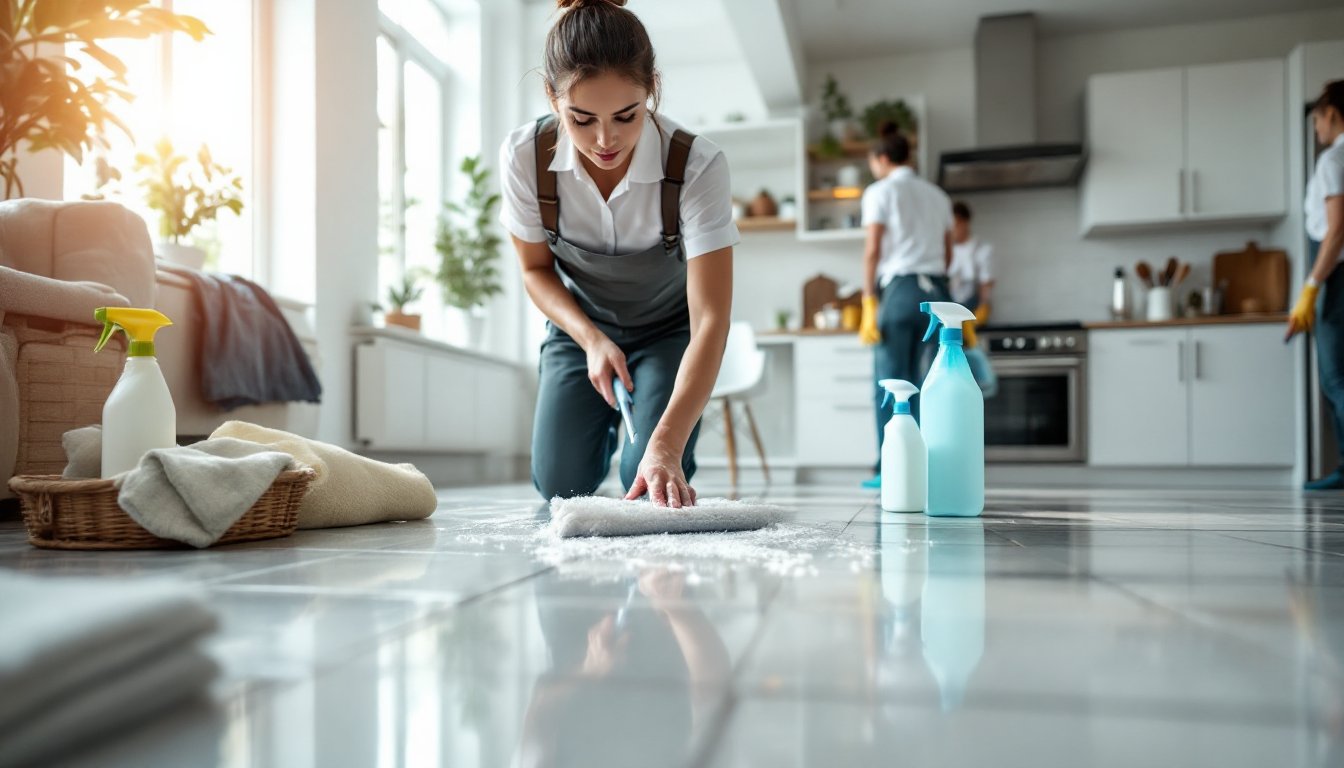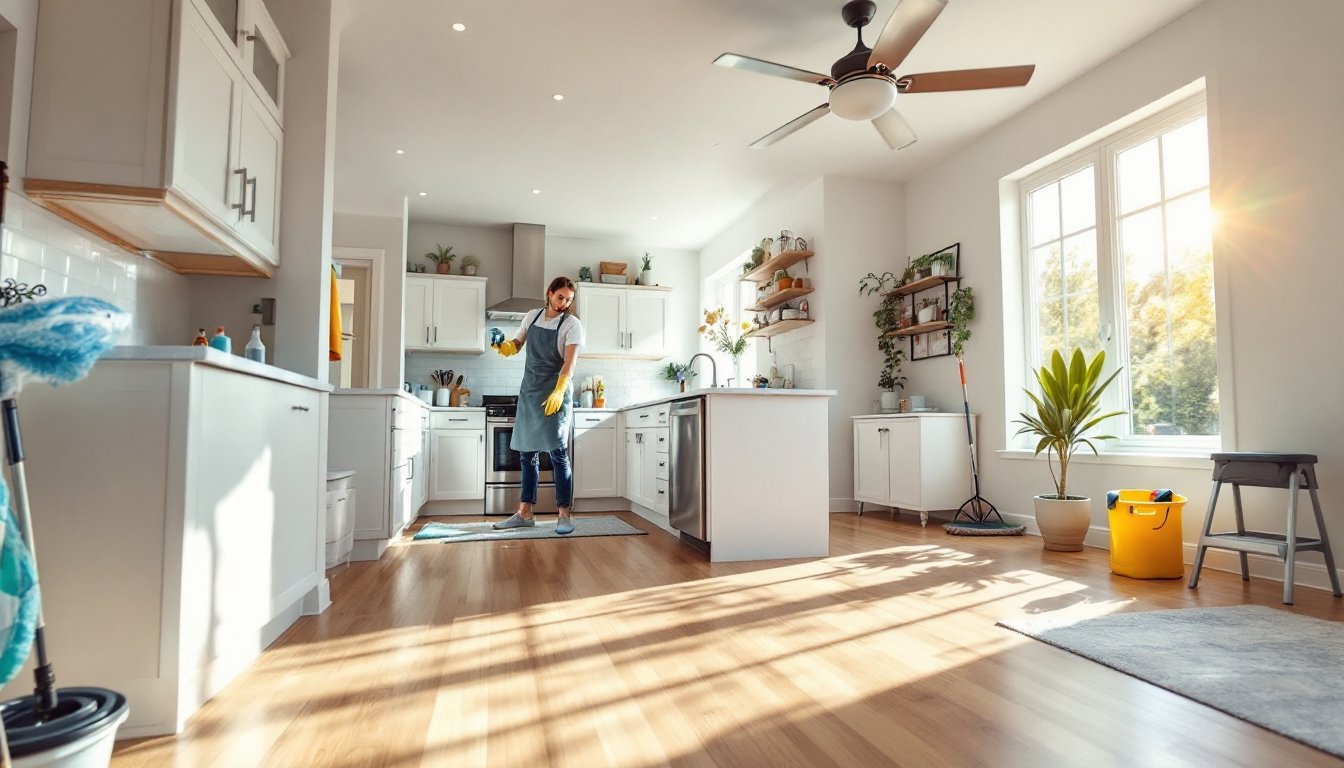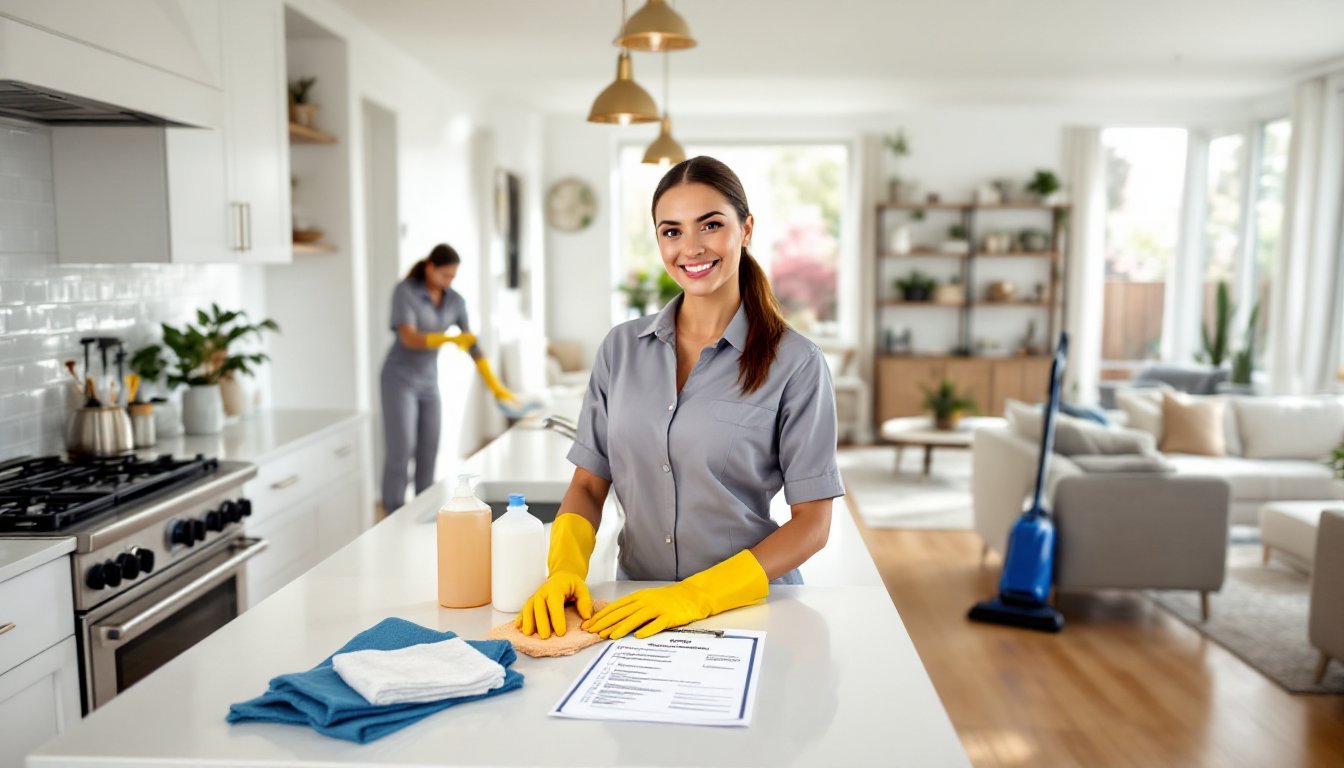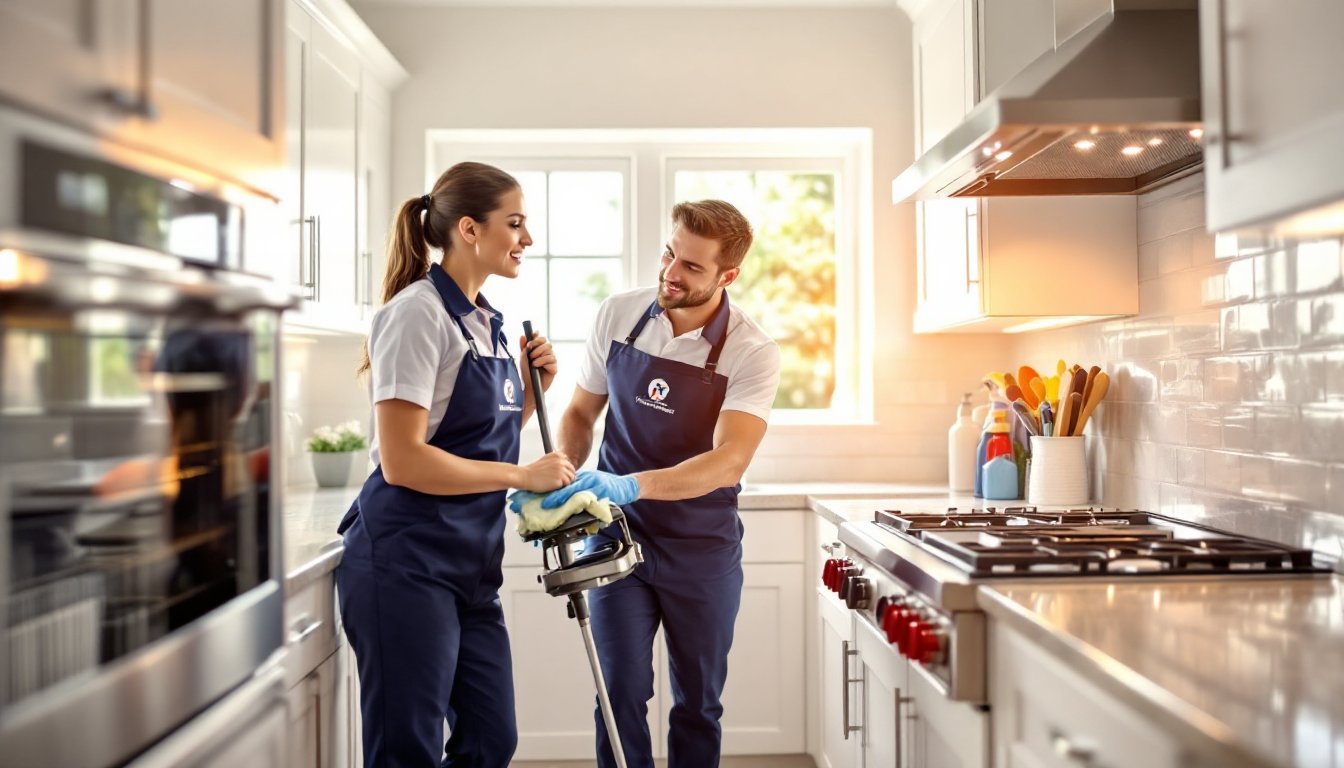
Queens, New York is a bustling borough where homeowners juggle work, family, and the constant challenge of keeping their homes clean in an urban environment. Whether you’re managing a small apartment in Astoria or a multi-family home in Forest Hills, maintaining a clean living space takes strategy and the right approach. Between city dust, moisture from frequent humidity swings, and the daily grind of urban life, Queens homes face unique cleaning obstacles that require tailored solutions. This guide walks you through both professional house cleaning services in Queens and practical DIY strategies to keep your home fresh, healthy, and manageable year-round.
Table of Contents
ToggleKey Takeaways
- Professional house cleaning services in Queens save homeowners 20–30 hours on deep cleaning tasks while handling urban-specific challenges like soot, mold, and salt residue.
- A structured DIY routine of 2–3 hours weekly maintenance combined with monthly room-by-room deep cleaning prevents grime buildup without overwhelming your schedule.
- Queens’ unique environmental factors—highway proximity, summer humidity, and winter road salt—require targeted solutions like HEPA vacuums, dehumidifiers, and entrance door mats.
- HEPA-filtered vacuums, microfiber cloths, and simple homemade cleaners (vinegar, baking soda) are more effective and budget-friendly than expensive branded products for improving indoor air quality.
- Proper moisture management through exhaust fans, weekly linen washing, and prompt attention to salt stains protects your home from mold, allergens, and structural damage year-round.
Why Professional Cleaning Services Matter in Queens
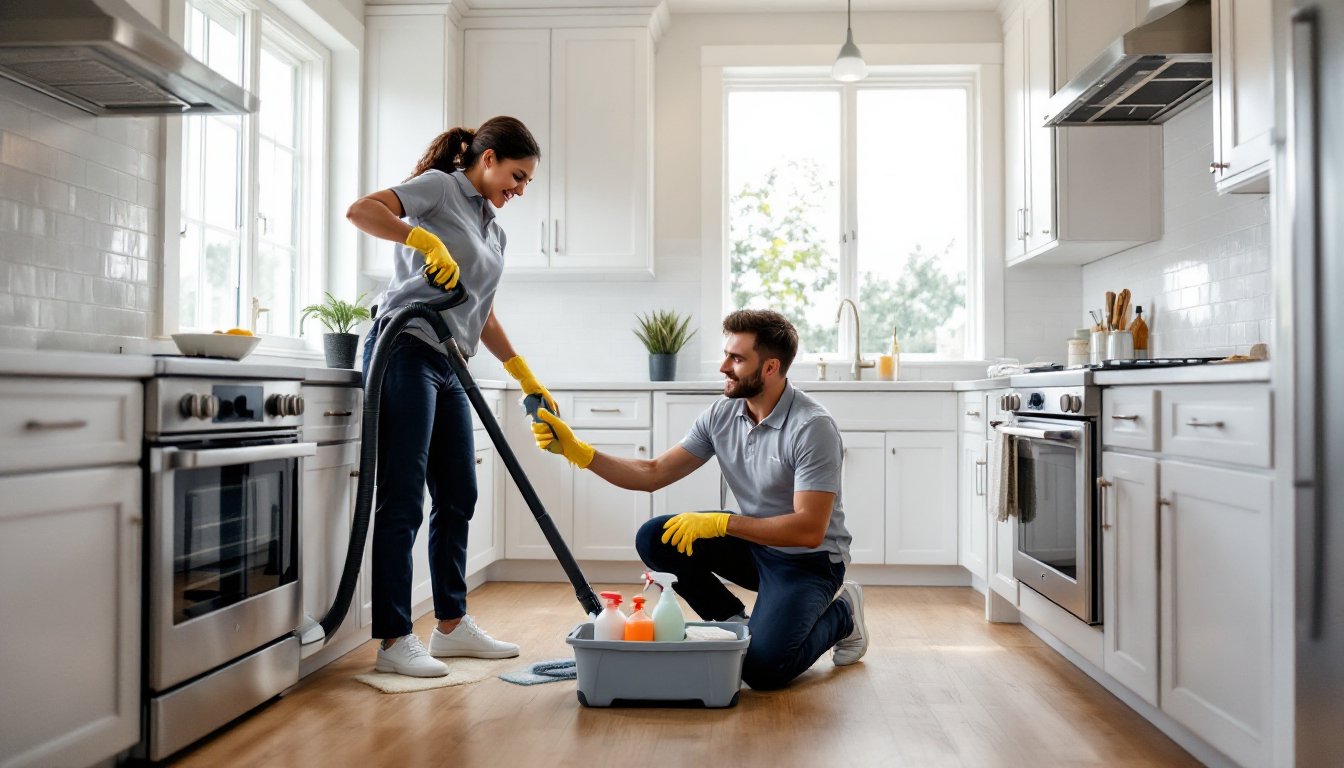
Life in Queens moves fast. Between commuting, work, and family obligations, dedicating time to deep cleaning often falls to the bottom of the priority list. Professional house cleaning services Queens offers can be a practical investment for homeowners who’d rather spend weekends with family than scrubbing tile grout.
Professional cleaners bring equipment and expertise that most homeowners don’t have access to, commercial-grade vacuums, steam cleaners, and eco-friendly solutions designed for New York’s specific water hardness and climate conditions. They understand how to handle the particular challenges Queens homes face: soot from nearby highways, mold prevention in humid summer months, and salt residue from winter road treatments that gets tracked indoors.
For busy professionals, elderly residents, or anyone dealing with mobility issues, hiring house cleaning queens services eliminates a significant household burden. A typical deep clean, baseboards, ceiling fans, behind appliances, inside oven, can take 20 to 30 hours for one person working alone. A professional team completes the same work in a fraction of the time. Beyond convenience, professional services reduce stress and free up mental energy for what matters most.
DIY Cleaning Strategies for Queens Homes
If you prefer a hands-on approach or want to maintain cleanliness between professional visits, a structured DIY cleaning routine keeps Queens homes in top shape. The key is breaking the job into manageable chunks rather than attempting everything at once, a burnout-proof strategy.
Start with a weekly maintenance schedule: light vacuuming of high-traffic areas, wiping kitchen counters and appliance fronts, cleaning bathrooms, and a quick sweep of floors. These tasks take 2 to 3 hours per week and prevent grime buildup that becomes much harder to remove later. Stock a basic cleaning kit with microfiber cloths (they trap dust better than cotton), a toilet brush, bathroom cleaner, all-purpose spray, and a vacuum with attachments.
For deeper work, set aside one Saturday per month for tasks like baseboards, ceiling fans, inside the refrigerator, and light window cleaning. Tackle one room per session to avoid fatigue and maintain consistency. According to The Spruce, tackling smaller zones at regular intervals prevents the overwhelming feeling of a chaotic home and keeps air quality higher by reducing dust accumulation.
Room-by-Room Deep Cleaning Approach
A room-by-room system prevents you from missing areas and makes the work feel less daunting. Start with the bedroom, dust all surfaces, change bedding, vacuum or mop the floor, and wipe down light fixtures and baseboards. A clean bedroom improves sleep quality and removes allergens.
Move to the kitchen next. This is the most time-intensive room. Empty the refrigerator and wipe shelves. Clean inside the microwave with a bowl of water heated for 5 minutes, steam loosens splatters and makes wiping easier. Degrease the stovetop, clean inside the oven if needed, and wipe down cabinet fronts. A clean kitchen reduces pest attraction and improves food safety.
Bathrooms require attention to moisture and mold. Scrub the tub and shower with a bathroom cleaner, paying attention to corners and grout lines where mold takes hold. Disinfect the toilet, vanity, and mirror. Squeegee the shower walls after each use (daily practice, not just during deep cleans) to prevent mold growth in Queens’ humid climate. Finally, handle living areas and hallways, dust all surfaces, vacuum thoroughly, wipe light switches, and clean any windows or glass doors. Cleaning light switches prevents the transfer of bacteria and viruses to other family members.
Tackling Queens’ Unique Cleaning Challenges
Queens faces specific environmental and structural challenges that affect cleaning routines. Understanding these issues helps homeowners choose the right strategies and products.
The borough’s proximity to highways and airports means elevated outdoor particulate matter settles on homes more than suburban areas. Door mats help trap debris before it enters, and regular vacuuming with a HEPA filter reduces airborne particles indoors. Humidity levels rise significantly from May through October, creating ideal conditions for mold and mildew, bathrooms and basements are particularly vulnerable. Running exhaust fans during and 15 minutes after showers, and using a dehumidifier in basement areas, prevents moisture-related damage and health issues.
Winter brings road salt tracked inside on shoes, which corrodes flooring and stains carpets if not addressed promptly. Use washable rugs at entryways and establish a “shoes off” policy during winter months. For stubborn salt stains on tile or hardwood, a solution of equal parts white vinegar and water works well, spray lightly and wipe immediately to avoid water damage.
Urban Dust and Air Quality Solutions
Urban environments like Queens generate more dust than rural areas due to traffic, construction, and industrial activity. Dust contains particles that trigger allergies and respiratory issues, making regular cleaning more than cosmetic, it’s a health concern.
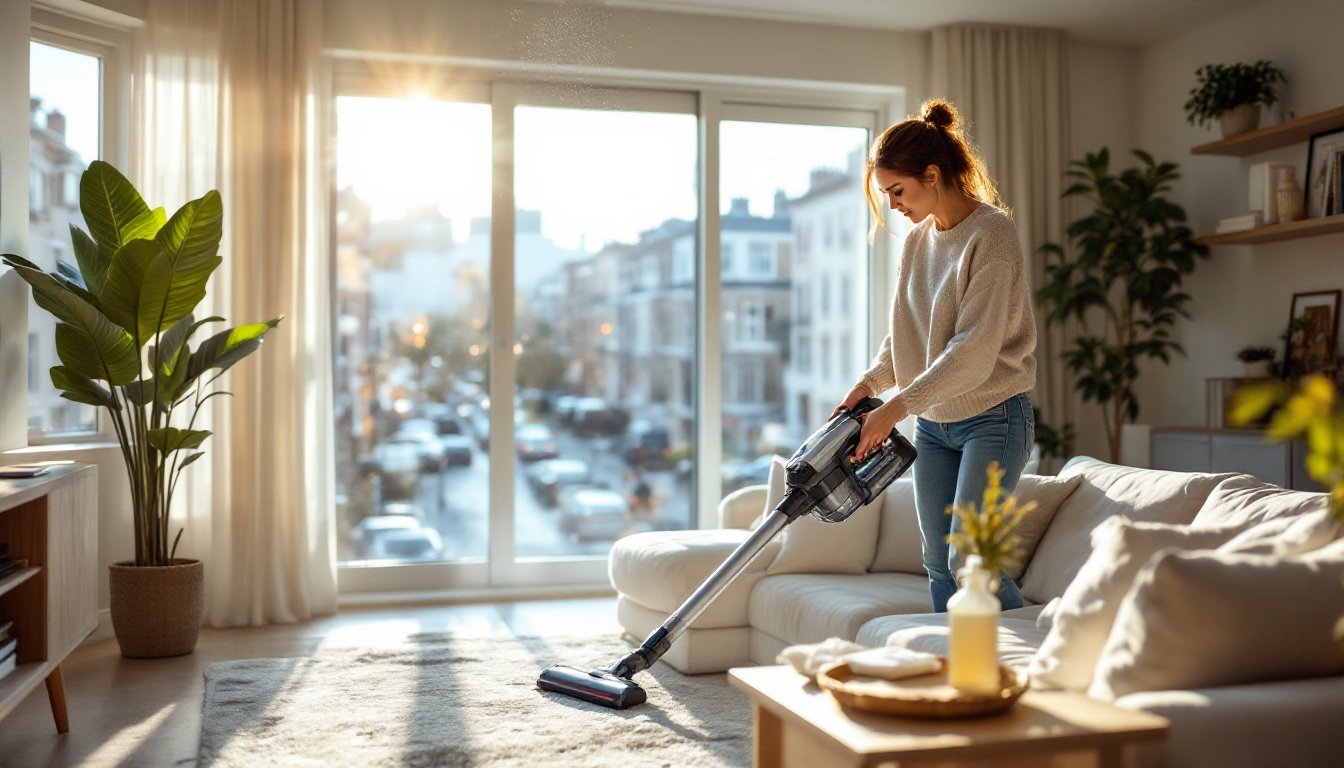
Vacuum high-traffic areas twice per week using a machine with a true HEPA filter, which captures 99.97% of particles 0.3 microns or larger. Wash or replace vacuum filters monthly during heavy shedding seasons. Microfiber dust cloths trap particles instead of redistributing them (cotton cloths simply move dust around). When dusting shelves and electronics, wipe in one direction toward a trash bin rather than wiping in circles.
Air purifiers with HEPA filters help maintain air quality, especially valuable for homes near major roads or for anyone with asthma or allergies. According to Good Housekeeping, well-maintained air purifiers can noticeably improve indoor air quality within a week of consistent use. Also, washing bed linens weekly in hot water removes dust mites and their allergens. Closing windows during high-pollen days (spring and early fall) and using air conditioning with clean filters further protects indoor air quality. These practices are especially important in Queens, where outdoor air quality varies based on traffic patterns and weather.
Budget-Friendly Cleaning Tools and Products
Effective cleaning doesn’t require expensive specialty products. Many household items work just as well as branded cleaners at a fraction of the cost.
Vinegar and baking soda are the DIY cleaner’s best friends. Mix equal parts white vinegar and water in a spray bottle for windows, mirrors, and general surfaces. For stubborn stains on tile or grout, make a paste with baking soda and water, apply it to the stain, let it sit for 15 minutes, and scrub with an old toothbrush. This combination is non-toxic, safe around pets and children, and costs pennies per use.
Microfiber cloths ($2 to $5 each) outperform cotton cloths and paper towels because they trap fine particles rather than smearing them. One microfiber cloth can replace dozens of paper towel rolls. Wash cloths in warm water without fabric softener, which reduces their effectiveness.
Invest in quality basic tools: a vacuum with adjustable height settings and brush attachments ($200 to $400 for a mid-range model), a toilet brush, a mop bucket with a wringer, and a step stool. According to Martha Stewart, organizing cleaning supplies in a portable caddy saves time and ensures you don’t waste effort running back and forth for forgotten items.
For hard floors, a microfiber mop ($20 to $40) cleans more effectively than traditional mops and uses far less water. For carpet and tile, a rented steam cleaner once or twice per year ($40 to $60 per day rental) removes deep-set dirt that vacuuming misses. Borrow from friends or split rental costs with neighbors to reduce expenses. Skip expensive scented cleaners, they don’t clean better, and they can trigger headaches or allergies. The simple dust-trapping and grease-cutting power of baking soda, vinegar, and dish soap handles 90% of household cleaning needs.
Conclusion
Keeping a Queens home clean is manageable with the right strategy, whether that means hiring professional house cleaning services Queens or implementing a consistent DIY routine. The urban environment presents specific challenges, but understanding dust control, humidity management, and seasonal adjustments takes the guesswork out of maintaining a healthy home. Start with a weekly routine, tackle one room per month for deeper work, and use simple, cost-effective products that actually work. Your clean home will reward you with better air quality, reduced allergens, and peace of mind.