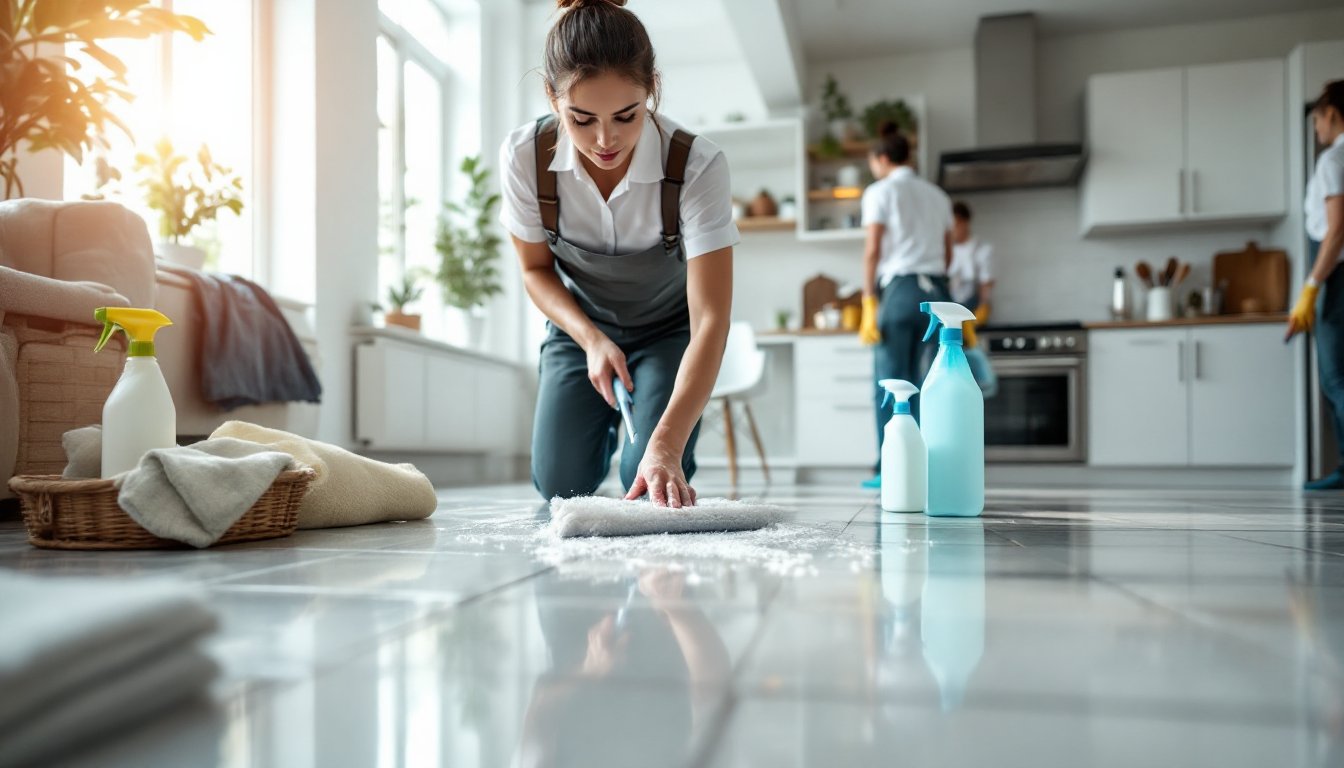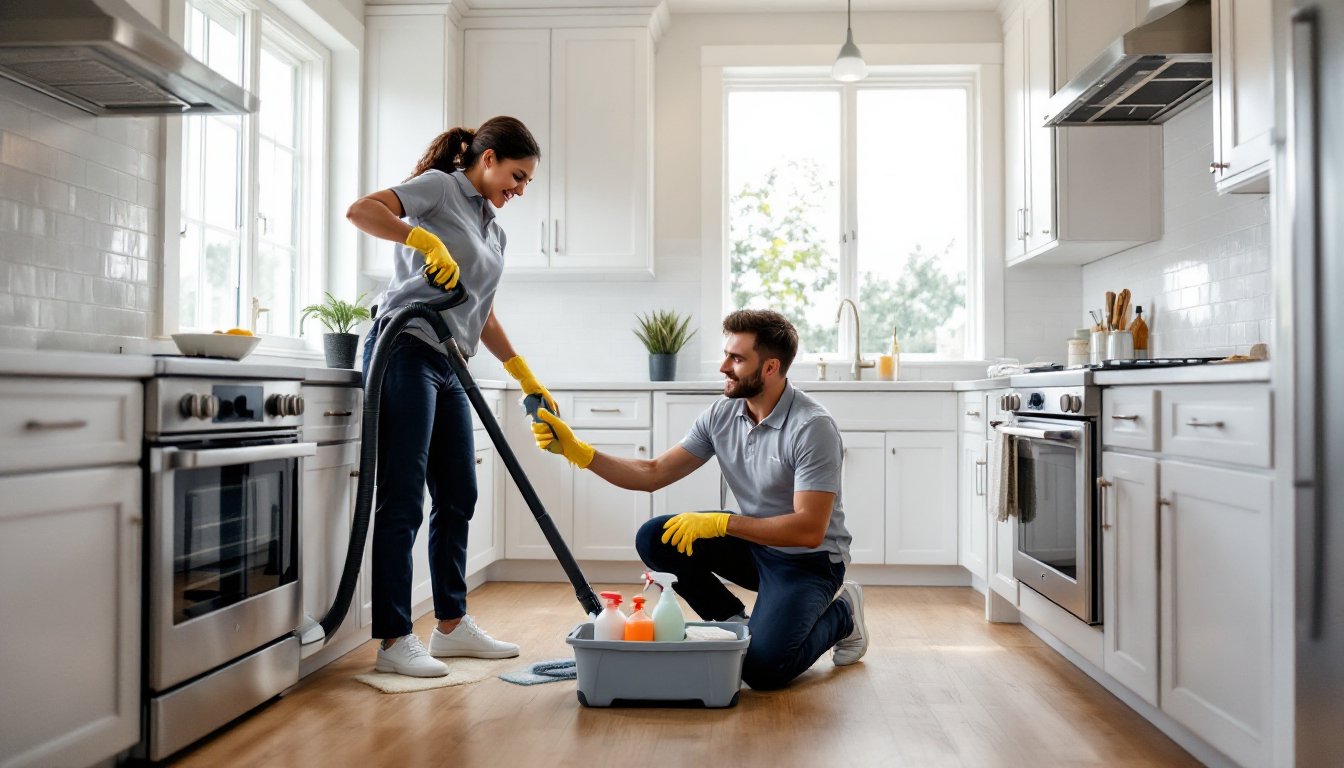

There’s a difference between a house that looks clean and one that actually is clean. The first kind hides crumbs under the toaster and dust on the ceiling fan blades. The second kind smells better, breathes easier, and makes a Sunday morning coffee feel earned. This deep clean checklist is built for homeowners who want the second kind, room by room, without missing the spots most people forget. Print it, save it, or share it with whoever loses the coin toss on cleaning day.
Table of Contents
ToggleKey Takeaways
- A deep clean checklist targets hard-to-reach areas like grout lines, baseboards, and inside appliances that routine tidying misses, making your home smell and feel genuinely cleaner.
- Gather all supplies before starting—microfiber cloths, degreasers, baking soda, vinegar, and proper PPE—to avoid mid-cleaning store runs and ensure efficient room-to-room progress.
- The kitchen requires the most effort due to grease buildup; use a degreaser on the range hood, descale appliances with vinegar, and vacuum refrigerator coils to maintain efficiency.
- Bathrooms benefit from letting cleaning products sit for 5–10 minutes before scrubbing, and running the exhaust fan for 20+ minutes after showers prevents mold regrowth.
- Most homes benefit from a full deep clean every three to six months, with focus on often-overlooked spots like light switches, door tops, and HVAC vents that separate surface cleaning from true deep cleaning.
What Sets a Deep Clean Apart From Routine Tidying
Routine tidying handles the visible: dishes in the sink, crumbs on the counter, a quick vacuum of the main walkways. A deep clean goes after the stuff routine misses, grout lines, baseboards, behind the fridge, inside the oven vents, and the tops of door frames where dust quietly stacks up.
Think of it as the difference between wiping a window and actually washing it, frame and track included. Most homes benefit from a full deep clean every three to six months, with a lighter touch-up between. For a broader strategy that pairs well with this checklist, this complete deep cleaning guide breaks down timing and sequencing in more detail.
Essential Supplies and Tools to Gather Before You Start
Gathering supplies before starting saves the dreaded mid-clean trip to the store. Lay everything out in a caddy or bucket so it travels with the cleaner from room to room.
Core supplies:
- Microfiber cloths (at least 8–10): they trap dust better than cotton rags
- All-purpose cleaner, glass cleaner, and a degreaser
- Baking soda and white vinegar for grout, drains, and stainless steel
- Bathroom disinfectant rated for mold and mildew
- Vacuum with HEPA filter and crevice/upholstery attachments
- Mop (microfiber flat mops outperform string mops on most floors)
- Stiff-bristle scrub brush, old toothbrush, and a grout brush
- Extendable duster for ceiling fans and high corners
PPE matters here: wear rubber gloves for chemicals, safety goggles when scrubbing overhead, and a dust mask (N95 or better) if disturbing heavy dust or working around mold. Never mix bleach and ammonia-based cleaners, the fumes are toxic.
Kitchen Deep Clean Checklist
The kitchen takes the longest. Grease compounds with dust and forms a film that regular wiping won’t touch, so this is where a degreaser earns its keep.
- Empty the fridge, toss expired items, and wipe shelves with warm soapy water (not bleach, it can damage seals).
- Pull the fridge out and vacuum the coils, dust here can cut efficiency by up to 25%.
- Run the self-clean cycle on the oven, or scrub with a baking soda paste left on overnight.
- Degrease the range hood filter in hot soapy water: metal mesh filters can usually go in the dishwasher.
- Wipe cabinet fronts, paying attention to handles and the area above the stove.
- Descale the kettle, coffee maker, and dishwasher with white vinegar.
- Scrub grout, sanitize the sink and disposal, then mop last.
For a faster weekly follow-up routine, this room-by-room action plan keeps the kitchen from sliding back into chaos.
Bathroom Deep Clean Checklist
Bathrooms reward patience. Letting cleaners dwell for 5–10 minutes does more than scrubbing harder ever will.
- Spray the shower, tub, and toilet bowl first, then let products sit while moving to other tasks.
- Scrub grout lines with a paste of baking soda and hydrogen peroxide: a grout brush beats a toothbrush for speed.
- Soak the showerhead in a bag of vinegar overnight to dissolve mineral buildup.
- Wash shower curtains and liners (most can go in the washing machine with a couple of towels).
- Disinfect high-touch points: faucet handles, light switches, doorknobs, and the toilet flusher.
- Wipe down the exhaust fan cover, pull it off and vacuum the blades if dust is visible.
- Clean mirrors last with a flat-weave microfiber cloth for a streak-free finish.
Homeowners dealing with humidity-driven mildew should treat affected areas with a dedicated mold cleaner. Experts at Today’s Homeowner recommend running the exhaust fan for at least 20 minutes after every shower to keep regrowth in check.
Bedrooms and Living Areas Deep Clean Checklist
These rooms collect more dust than they show. Fabric, carpet, and upholstery act like sponges for allergens, pet dander, and skin cells (yes, really).
- Strip beds and wash sheets, pillowcases, and mattress protectors in hot water (130°F+ kills dust mites).
- Vacuum the mattress with the upholstery attachment, then rotate or flip if the manufacturer allows.
- Launder curtains or vacuum them in place with a brush attachment.
- Dust top-down: ceiling fans, light fixtures, shelves, picture frames, then baseboards.
- Move furniture and vacuum underneath, sofas, beds, and dressers hide impressive dust bunnies.
- Spot-clean upholstery with a fabric-safe cleaner: test in a hidden area first.
- Wipe electronics with a dry microfiber, then a slightly damp one. Never spray cleaner directly on screens.
The spring cleaning checklist from Good Housekeeping offers a useful sequence for tackling multiple bedrooms in one day without burning out.
Often-Overlooked Spots That Deserve Extra Attention
These are the spots that separate a surface clean from a true deep clean. None take long, but skipping them is what leaves a house feeling “off” even after hours of effort.
- Light switches, outlet covers, and door handles, the germiest surfaces in most homes
- Tops of doors, picture frames, and kitchen cabinets, dust collects here invisibly
- Baseboards and crown molding, a damp microfiber sock over a hand works well
- Inside the washing machine, run an empty hot cycle with vinegar monthly
- Trash can interiors, scrub with hot soapy water and dry fully before relining
- HVAC vents and return grilles, vacuum then wipe: replace filters every 60–90 days
- Behind and under large appliances
- Window tracks, a stiff brush plus a vacuum lifts out years of grit
Homeowners in challenging climates (think desert dust or coastal salt air) face these problems harder: this Scottsdale deep clean guide and a region-specific Dayton cleaning guide both address climate-driven dust and allergen issues that generic checklists miss.
When time runs short, hiring a house deep cleaning service is a fair call, no shame in it. Searching “deep cleaners near me” or comparing professional deep cleaning services on review sites helps narrow options. For city-specific advice, this San Francisco cleaning services guide covers what to ask before booking. Style-focused readers may also enjoy the seasonal cleaning techniques curated by Martha Stewart.
Conclusion
A deep clean isn’t about perfection, it’s about resetting a home so daily upkeep actually works. Tackle one room per weekend if a full sweep feels overwhelming, and rotate the often-overlooked spots so nothing goes a full year untouched. The payoff is a house that smells better, breathes cleaner, and gives back the time previously lost to chasing chaos.