Keeping a home clean doesn’t require expensive gadgets or complicated routines, it requires the right tools in your cleaning arsenal. Whether you’re dealing with hardwood floors, tile, carpets, or a mix of surfaces, having dependable house cleaning tools makes the difference between a chore that drains your energy and one you can actually accomplish efficiently. This guide walks you through the essential equipment every homeowner should own, how to pick tools that match your home’s specific needs, and which investments pay for themselves over time through durability and results.
Table of Contents
ToggleKey Takeaways
- The right house cleaning tools—including quality brooms, mops, and microfiber cloths—transform maintenance from a burden into an efficient, manageable routine.
- Invest in durable tools like HEPA-filter vacuums ($150–$300), steam mops, and silicone squeegees that pay for themselves through longevity and performance over cheaper alternatives.
- Match your cleaning tool selection to your specific flooring type: hardwood requires dry or barely-damp cleaning, tile tolerates more water, and carpets need vacuuming before wet cleaning.
- Organize house cleaning tools in dedicated storage like wall-mounted caddies or under-sink organizers to keep them accessible, protected, and ready for quick room-to-room use.
- Save money on budget-friendly items like sponges, basic brooms, and all-purpose vinegar solutions, but prioritize spending on high-rotation tools like quality mops and microfiber cloths that wear out regularly.
Essential Floor Cleaning Tools Every Homeowner Needs
Choosing the Right Mop and Broom for Your Floors
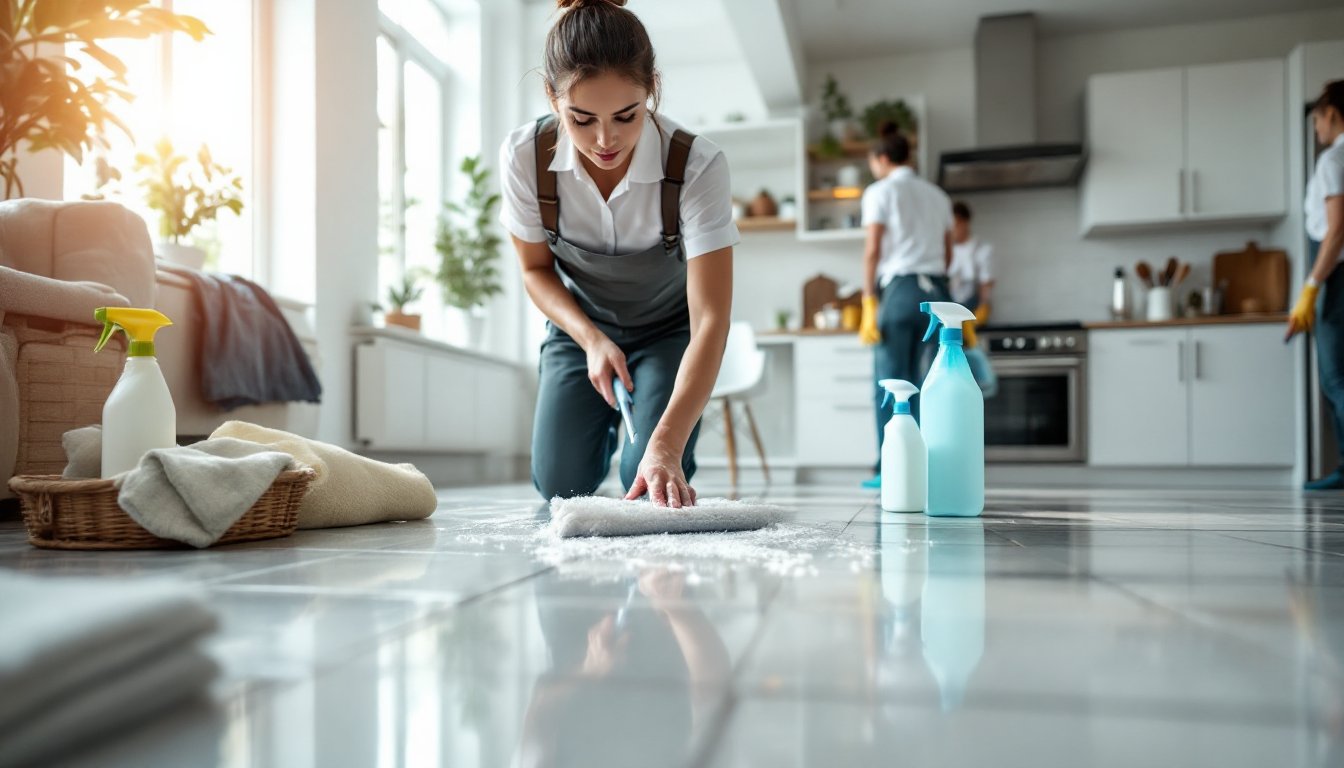
Floor cleaning is the backbone of home maintenance, and your choice of mop and broom matters more than you’d think. A broom works best on hard floors like tile, vinyl, and laminate, where you need quick debris removal before wet cleaning. Microfiber bristles grab dust better than traditional horsehair, and they’re durable enough for daily use. A quality 24-inch broom with a comfortable handle costs $15–$30 and will outlast multiple cheaper versions.
For mops, you’ve got several paths forward. Squeeze mops (the traditional wringer bucket type) work on any hard floor and cost $25–$50, but they’re labor-intensive and require a proper bucket with wringer mechanism. Spray mops give you control, you trigger water or cleaning solution onto the pad as you go, making them ideal for hardwood or laminate where you don’t want soaking wet floors. They run $30–$80 depending on brand and water tank capacity.
Steam mops sanitize without chemicals, reaching temperatures around 250°F to kill bacteria and dust mites. They’re excellent if you have kids or pets and want a sanitizing edge. Expect to pay $100–$300 for a decent model. But, they can damage delicate wood floors, so check your flooring manufacturer’s specs first. Carpet-only households might skip a mop entirely and focus on a quality upright vacuum, a solid HEPA-filter upright ($150–$300) handles regular carpet cleaning and is worth the investment if carpet covers most of your home.
Expert testing shows that the best mops for, helping you see which designs perform under actual household conditions. Match your mop type to your primary flooring: hardwood needs dry or barely-damp cleaning, tile tolerates more water, and carpet requires vacuuming before any wet cleaning.
Kitchen and Bathroom Cleaning Supplies That Make a Difference
Kitchens and bathrooms demand targeted cleaning supplies because they’re high-traffic zones with specific challenges, grease buildup, soap scum, and mildew. A squeegee isn’t glamorous, but a 10-inch silicone squeegee ($8–$15) removes water from shower walls in seconds, preventing mold and mildew. Dry the glass door and walls after every shower, and you’ll cut cleaning time by half next month.
For kitchen counters and appliances, you’ll want a microfiber cloth set (pack of 6, around $10–$20). Microfiber attracts grease and grime without scratching stainless steel or granite. Pair these with an all-purpose degreaser spray or a diluted vinegar solution for daily cleaning. If you’ve got stubborn stove or oven buildup, a plastic scraper (non-abrasive, $3–$8) won’t gouge the surface like metal will.
Bathrooms need a toilet brush and holder (good ones run $15–$25) and a grout brush, a stiff-bristled short brush designed for tile grout lines where mold loves to hide. Vinegar and baking soda handle mild buildup: stronger cases call for a diluted bleach solution (wear gloves and ensure ventilation). For shower walls and tub surrounds, a long-handled scrub brush reaches high areas and corners without contorting yourself. Look for replaceable brush heads so you’re not buying a new handle each time bristles wear out.
Dusting and Surface Cleaning Equipment
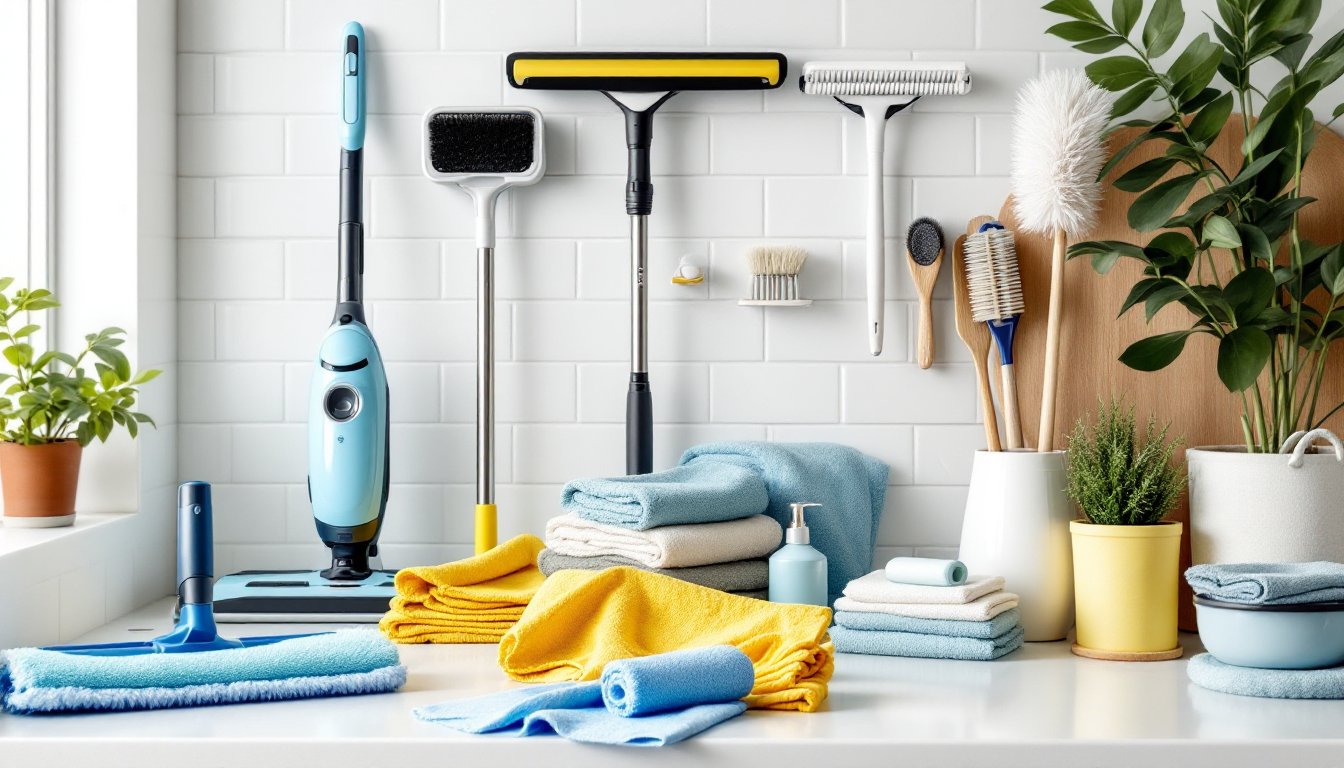
Dust accumulation damages electronics, triggers allergies, and makes surfaces look dingy fast. A microfiber dust cloth ($1–$3 each) outperforms feather dusters because it actually traps particles instead of redistributing them into the air. Keep a few stashed in different rooms so you’re never without one.
For ceiling fans, shelves, and hard-to-reach corners, an extendable duster with a telescoping handle ($15–$35) saves you from dragging out a ladder every time. The best ones use washable microfiber heads or replaceable pads. Avoid the old-school feather dusters unless you enjoy watching dust clouds settle back onto your furniture.
Lamp shades, baseboards, and picture frames need smaller tools. A soft-bristled detail brush set (around $8–$12 for several sizes) gets into crevices without scratching wood or glass. Many homeowners also keep lint rollers ($5–$8 for a pack) in living areas to quickly grab pet hair, dust, and debris off furniture between deeper cleanings. Home organization and cleaning techniques from trusted sources can walk you through efficient dusting routines that save time and energy.
Organizing Your Cleaning Tools for Easy Access
A mop and broom scattered across three closets defeat the purpose of owning them. Dedicated storage keeps tools in one place, ready when you need them, and extends their lifespan by preventing damage. A wall-mounted broom holder or cleaning caddy ($20–$40) holds your essential tools upright in a laundry room, kitchen closet, or garage. These units typically accommodate 4–6 tools and keep handles from bending or breaking.
For under-sink storage, a sliding basket or pull-out organizer ($15–$30) lets you see spray bottles, sponges, and brushes without shuffling everything around. Label bins if you’re sharing your home with family members, everyone should know where the disinfectant or microfiber cloths live.
Keep a portable caddy or bucket ($8–$20) stocked with high-rotation items: all-purpose cleaner, disinfectant spray, paper towels, and rubber gloves. Grab it and move room to room, cutting down on trips back to the supply closet. If you use cleaning solutions regularly, store them in a cool, dry place away from heat and direct sunlight to preserve their effectiveness. Label spray bottles clearly, you don’t want to accidentally grab bleach thinking it’s a standard disinfectant.
Budget-Friendly vs. Premium Cleaning Tools: What’s Worth the Investment
Not every cleaning tool deserves a premium price tag, and not every cheap tool is a false economy. Here’s where to splurge and where to save:
Worth the investment: Vacuum cleaners (a good HEPA upright runs $150–$300 and lasts 7–10 years), microfiber mop pads (buy quality ones that don’t shed fibers onto floors), and squeegees. A cheap squeegee falls apart in six months: a silicone one works for years. Steam mops, if your floor type allows them, reduce chemical use and sanitize without extra products.
Budget-friendly alternatives: Basic brooms, toilet brushes, and sponges. A $3 sponge works the same as a $10 “specialty” one, replace them every month anyway. All-purpose cleaner doesn’t have to be name-brand: a mixture of vinegar, dish soap, and water handles most jobs. Microfiber cloths are cheap ($1–$2 each), so buy several instead of one fancy cloth.
The middle ground: Mops and brushes. A $40 spray mop often outperforms a $70 premium version, but the cheapest $10 mop may leave streaks or fall apart in a season. Read real reviews or test with a less visible room first. Comprehensive home improvement guides and cleaning tips can help you compare features across price ranges and identify which tools offer genuine value. Factor in durability: if a tool costs twice as much but lasts three times longer, the per-year cost is actually lower.
Conclusion
The right cleaning tools transform house maintenance from a slog into something manageable and even satisfying. You don’t need every gadget on the market, focus on the essentials for your home’s specific flooring and layouts, then invest strategically in durability where it counts. A well-stocked cleaning closet and a 15-minute routine beat sporadic frantic cleanings every time. Start with a quality broom, mop, and microfiber cloths, then add specialized tools as your needs emerge.