
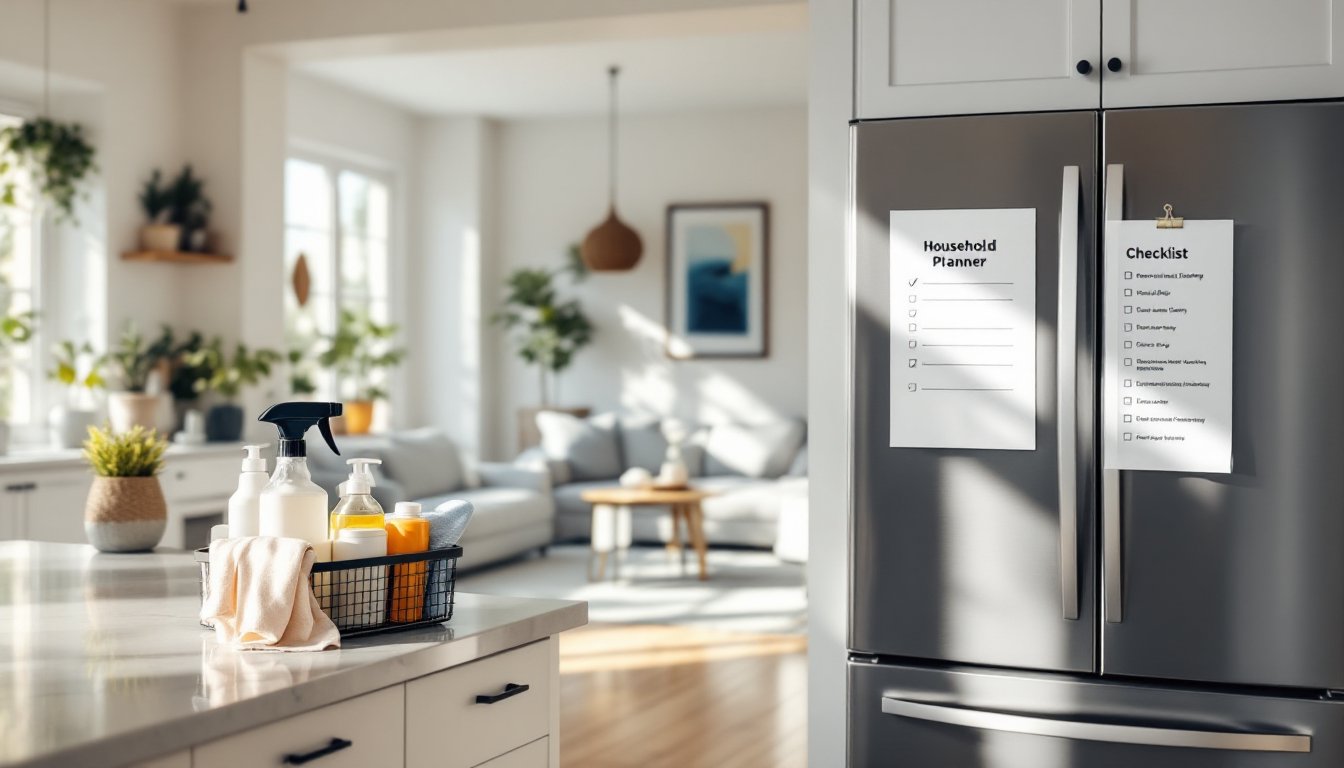
A household cleaning planner isn’t just another to-do list gathering dust on the fridge. It’s a structured system that breaks down home cleaning into manageable tasks organized by room and frequency, turning overwhelming chaos into a simple routine. Whether you’re juggling work and family or trying to maintain a home without professional help, a household cleaning planner removes the guesswork from when and how to tackle each space. Instead of wondering whether the bathrooms got cleaned last week or feeling guilty about floors that haven’t been touched, you’ll have a clear roadmap that works with your schedule, not against it.
Table of Contents
ToggleKey Takeaways
- A household cleaning planner breaks down home maintenance into daily, weekly, monthly, and seasonal tasks by room, turning overwhelming chaos into a manageable routine that reduces stress and mental fatigue.
- Daily tasks (5–15 minutes) like washing dishes and wiping counters, combined with weekly deep-cleaning sessions, keep your home in a consistent state of clean rather than cycling between neglect and frantic pre-guest cleanups.
- Stocking your cleaning closet with essential supplies—microfiber cloths, all-purpose cleaner, toilet bowl cleaner, and a mop—ensures you have everything accessible so you stay motivated to follow through on your schedule.
- Personalize your household cleaning planner based on your actual lifestyle and non-negotiables; a routine you’ll realistically follow beats a perfect plan that ignores your work schedule, family obligations, or preferences.
- Print and post your planner where you’ll see it daily (kitchen, fridge, or bathroom mirror), check off completed tasks for visual motivation, and re-evaluate quarterly to adjust tasks that aren’t working.
- Consider a hybrid approach combining personal daily and weekly maintenance with professional house deep cleaning services for monthly tasks, balancing consistency without risking burnout.
What Is a Household Cleaning Planner and Why You Need One
A household cleaning planner is a structured checklist or schedule that organizes daily, weekly, monthly, and seasonal cleaning tasks in one place. Think of it as a project timeline for your home, instead of random cleaning bursts followed by neglect, you get consistent maintenance spread across the entire month.
The real value isn’t just organization: it’s consistency. Most people clean frantically before guests arrive, then let things slide for weeks. A planner flips that pattern. By tackling small daily tasks and one meaningful weekly project, your home stays in a steady state of clean rather than swinging between “people are coming” and “when did we last vacuum?”
This approach also prevents the mental drain of deciding what needs cleaning right now. When you open your planner and see “bathrooms this Saturday,” you’re not standing in the middle of the house wondering where to start. You know exactly what’s on the agenda. Research on house cleaning routines shows that homeowners who use a structured approach report less stress and more time for the things they actually enjoy doing.
Setting Up Your Cleaning Schedule by Room and Frequency
Start by listing your home’s main areas: kitchen, bathrooms, bedrooms, living rooms, and any other distinct spaces. For each room, assign tasks to one of four categories: daily, weekly, monthly, or seasonal. This structure prevents bottlenecking, you’re not trying to deep-clean everything on Saturday while also running errands.
Daily tasks are the quick wins that keep surfaces from becoming disaster zones. These take 10-15 minutes total and include dishes, wiping counters and sinks, making beds, and tidying main living areas. Weekly tasks are deeper: dusting, vacuuming, mopping floors, cleaning bathrooms, and changing sheets. Monthly tasks tackle the jobs that build up over time, organizing closets, cleaning under appliances, wiping baseboards, and scrubbing light fixtures. Seasonal work handles spring-cleaning depth like washing windows, power-washing decks, or deep-cleaning refrigerator coils.
Daily, Weekly, and Monthly Tasks Breakdown
Daily tasks (5–15 minutes per day):
- Wash dishes or run dishwasher
- Wipe kitchen counters and sink
- Clear dining table
- Make beds
- Tidy living areas and entryways
- Do one load of laundry (wash, dry, or fold)
Weekly tasks (1–2 hours per week):
- Vacuum all carpeted areas
- Mop hard floors
- Dust surfaces and shelving
- Clean bathrooms (toilet, sink, shower/tub)
- Change bed linens
- Wipe down kitchen appliances (outside)
Monthly tasks (2–4 hours per month):
- Deep-clean kitchen appliances (inside and under)
- Organize one closet or storage area
- Clean inside refrigerator and wipe shelves
- Scrub grout lines in bathrooms
- Wipe baseboards throughout the house
- Clean light fixtures and ceiling corners
For a house deep cleaning service approach at home, many people dedicate one Saturday afternoon per month to tackle two or three monthly tasks as a block. A tip cleaning service home pros often use is batching similar tasks by room to minimize setup and movement, clean all bathrooms in one session, then move to the kitchen, rather than bouncing between spaces.
Essential Tools and Supplies to Keep on Hand
Before you create your schedule, make sure you have the basic tools and supplies ready. Running out of cleaning cloths halfway through your Saturday routine kills momentum, so stock your cleaning closet strategically. Having everything accessible means you’re more likely to stick to your plan.
Core supplies:
- Microfiber cleaning cloths (reusable, durable, and effective)
- Sponges and scrub brushes
- All-purpose cleaner or vinegar-and-water solution
- Toilet bowl cleaner and bowl brush
- Shower/bathroom cleaner
- Powdered cleanser (for tough stains and sinks)
- Dishwashing soap
- Vacuum bags or filters (check monthly)
- Mop and bucket or spray mop
- Broom and dustpan
- Rubber gloves (fit matters: loose gloves cause hand fatigue)
- Garbage bags for trash and donations
You don’t need expensive specialty products. A simple rotation of microfiber cloths, an all-purpose spray, powdered cleanser, and bathroom cleaner handles 90% of household tasks. Deep house cleaning often relies on a few concentrated products rather than a cabinet full of half-empty bottles.
Store supplies in one accessible location, under the kitchen sink, a closet, or a rolling cart. When your planner says “clean bathrooms today,” you shouldn’t spend 10 minutes hunting for the toilet brush. Keep backups of items that run out quickly, like sponges and cloths. Most DIY cleaners also prep a caddy before starting so they’re not walking back and forth for supplies every few minutes.
Creating Your Personalized Cleaning Routine
Your planner only works if it matches your actual life. A routine that requires four hours every Saturday will break down if you’re coaching soccer most weekends. Build from reality, not Instagram fantasy.
Start by identifying your non-negotiables, the tasks that, if ignored, cause problems. For most homes, that’s dirty dishes (hygiene and pest prevention), bathroom cleanliness, and floors free of visible dirt and clutter. These go in daily and weekly slots. Next, list tasks that matter to you personally. If you hate dusty shelves, prioritize dusting. If your kids track mud constantly, focus on entryways and floors. This personal touch keeps you engaged rather than feeling like you’re following someone else’s standard.
Many homeowners find success combining small daily habits with one bigger weekly focus. For example: daily dishwashing and tidying, plus Saturday mornings dedicated to one deep task like bathroom cleaning or floor mopping. This spreads the load so no single day feels overwhelming. Some people prefer to do a little bit each day instead: others batch tasks by room and do one room weekly. There’s no universal “right” approach, the right one is the one you’ll actually follow.
For a more intensive approach like a house deep cleaning service schedule, consider hiring help for monthly deep tasks while you maintain daily and weekly basics yourself. This hybrid model, personal cleaning combined with professional support, gives you the consistency of a planner without the burnout of doing everything alone.
Maintaining Consistency and Tracking Your Progress
A planner sitting in a drawer is decoration, not a system. Consistency comes from visibility and accountability. Print your planner, post it somewhere you’ll see it daily (kitchen, bathroom mirror, or fridge), and check off tasks as you complete them. That visual confirmation, watching tasks get marked done, is surprisingly motivating. Some people use a simple printed monthly calendar with task notes: others prefer a detailed checklist.
Tracking your progress is as simple as checking off each completed task. Digital options exist (Google Calendar, phone reminders, specialized cleaning apps), but many homeowners find a printed planner more effective, you’re less likely to ignore a physical list sitting on the fridge than a notification buried in your phone.
Re-evaluate your planner quarterly. If something isn’t working, a weekly task that never happens, or a task that takes longer than expected, adjust it. A routine that’s been running smoothly for three months but falls apart in month four needs tweaking, not abandonment. Maybe you’re overcommitting in winter, or seasonal tasks need shifting. The goal isn’t perfection: it’s sustainability.
When choosing between tackling everything yourself versus hiring support, consider that house cleaning costs in 2026 vary widely by region and service scope. Some homeowners use a house deep cleaning service monthly while managing daily and weekly tasks personally. Others find that expert resources like spring cleaning checklists from professionals help them plan seasonal deep dives. The best approach combines your planner with realistic expectations about time and effort.
Conclusion
A household cleaning planner transforms cleaning from an overwhelming, irregular chore into a manageable routine. By breaking tasks into daily, weekly, and monthly categories and assigning them to specific rooms, you remove the mental burden of deciding what needs attention and when. Consistency builds naturally when you have a clear roadmap, and a clean home becomes the baseline rather than the exception. Start simple, adjust as needed, and let your planner work for your life, not the other way around.