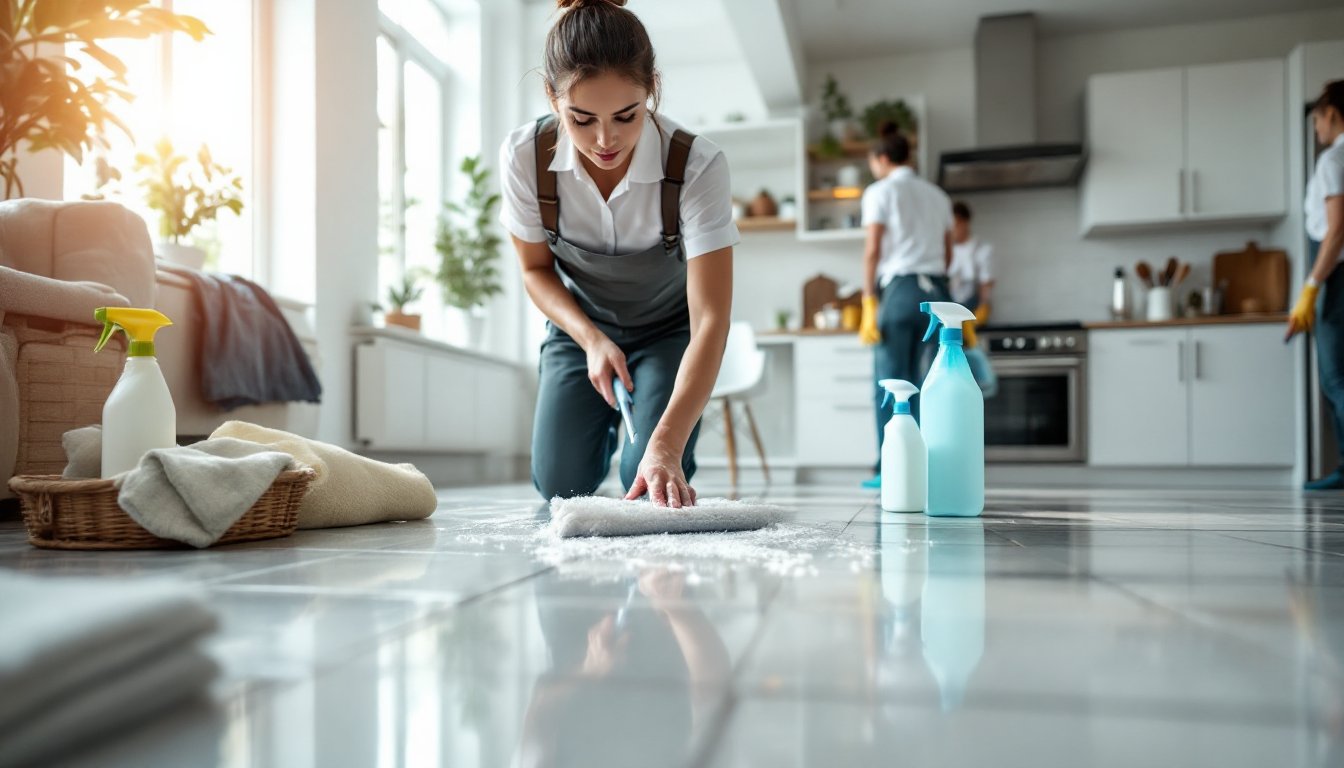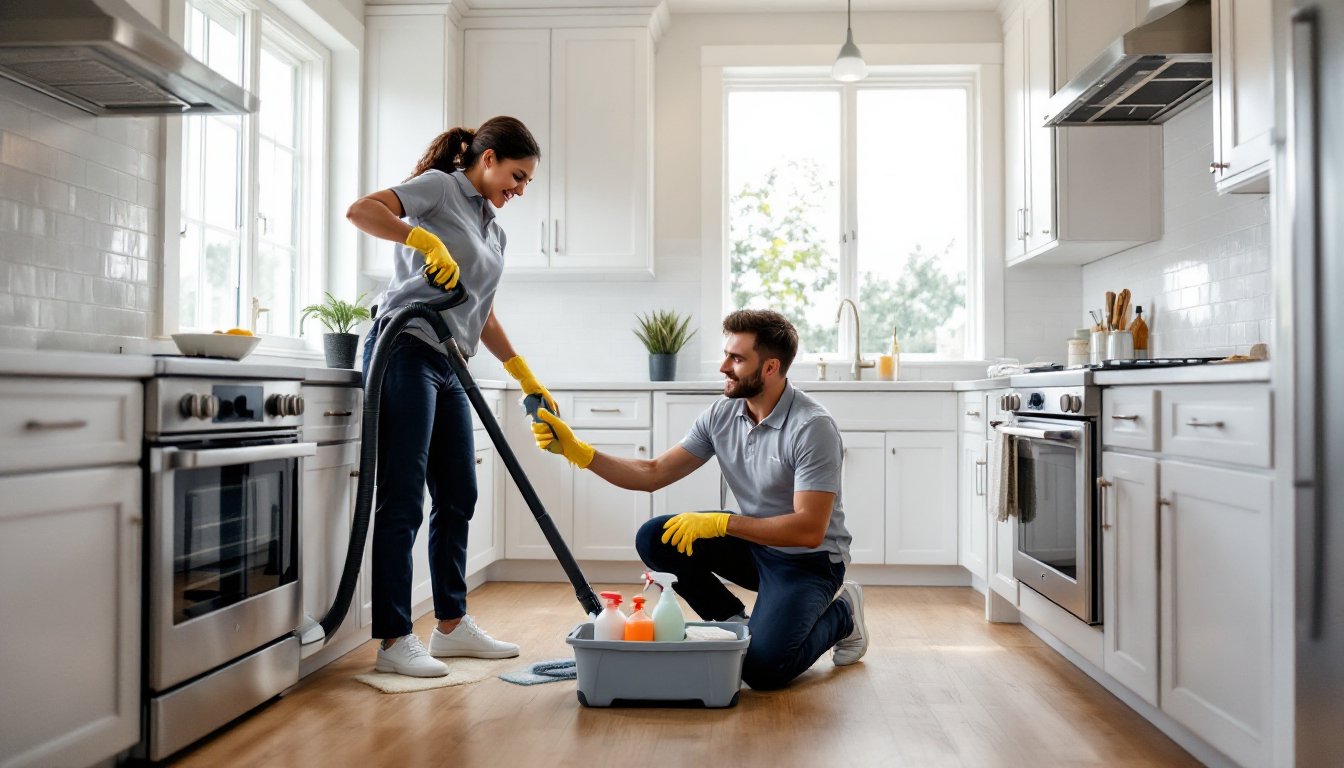

Deep cleaning your house isn’t the same as your regular weekly cleaning schedule, it’s the kind of thorough, top-to-bottom refresh that tackles the corners and crevices most people skip. Whether you’re preparing for guests, dealing with seasonal pollen buildup, or simply want a truly fresh living space, household deep cleaning delivers results that a standard tidying up can’t match. The best part? You don’t need to hire a house deep cleaning service or spend an entire week scrubbing. With a solid plan, the right supplies, and a methodical room-by-room approach, most homeowners can transform their home in a weekend or two. This guide walks you through exactly what to clean, how to do it, and which tools and products actually earn their shelf space.
Table of Contents
ToggleKey Takeaways
- Household deep cleaning tackles hidden dust, grease, and allergens that regular cleaning misses, improving air quality and preventing mold buildup.
- Using a room-by-room approach with core supplies like microfiber cloths, degreasers, and disinfectants allows most homeowners to deep clean their entire home in one or two weekends.
- The kitchen requires special attention to appliances and grease buildup—prioritize range hoods, ovens, and cabinet interiors to prevent pest infestations.
- Bathrooms need proper ventilation and dwell time for disinfectants; soaking hard water stains in vinegar overnight dramatically improves results on fixtures and shower glass.
- Maintaining a weekly cleaning schedule between deep cleaning sessions keeps your home fresher and prevents the accumulation of dust and allergens in baseboards, upholstery, and closets.
- Expensive specialty products aren’t necessary—baking soda, white vinegar, and standard disinfectants deliver professional results when paired with proper technique and adequate elbow grease.
Why Regular Deep Cleaning Matters for Your Home
Regular household deep cleaning goes beyond what a vacuum and quick wipe-down accomplish. Over time, dust settles into baseboards, behind appliances, and inside cabinet crevices. Hard water stains build up on bathroom fixtures, grease accumulates inside ovens and range hoods, and allergens lodge into bedding and upholstery. These hidden layers don’t just look grimy, they affect air quality, can harbor mold and mildew, and eventually require much harder scrubbing to remove.
A consistent deep cleaning routine keeps these problems from compounding. Rather than facing a monumental task every six months, spacing out deep cleaning on a weekly cleaning schedule (tackling one room or category per week) spreads the work and keeps your home in better shape overall. Homes that receive regular attention are easier to maintain, safer for families with allergies, and actually feel fresher underfoot and in the air you breathe.
Essential Supplies and Tools You’ll Need
Before you start, gather your arsenal. You don’t need every product on the market, but having the right core supplies prevents mid-cleaning scrambles.
Cleaning solutions:
• All-purpose cleaner (works on most surfaces: avoid on natural stone)
• Glass cleaner (for windows, mirrors, and displays)
• Disinfectant spray or bleach dilution (use 1:10 bleach-to-water for bathrooms: ventilate well)
• Degreaser (for kitchens: essential for tackle grease buildup)
• Toilet bowl cleaner with a brush
• Baking soda and white vinegar (budget-friendly, effective on many surfaces)
• Floor cleaner appropriate to your floor type (hardwood, tile, laminate all differ)
Tools:
• Microfiber cloths (reusable, lint-free)
• Scrub brushes and detail brushes for tight spaces
• Squeegee for shower glass
• Mop and bucket
• Vacuum with upholstery attachment
• Duster with extension pole
• Grout brush for tile lines
• Dust mask or N95 (critical when stirring dust or using harsh chemicals)
• Rubber gloves to protect skin
• Plastic bags for organizing as you go
Don’t buy specialty cleaners for every surface, most jobs work fine with the basics. Your time is the real investment, not an expensive product lineup.
Kitchen Deep Cleaning: Tackling the Heart of Your Home
The kitchen collects grease, spills, and food residue faster than any other room. A deep cleaning list for kitchens centers on appliances, cabinet interiors, and hidden buildup.
Start high and work down: Remove items from upper cabinets, wipe shelves, and scrub the cabinet interiors. Grease buildup inside cabinets isn’t just cosmetic, it attracts pests. Use a degreaser and microfiber cloth, paying special attention to handles and edges.
Appliances and Grease Buildup
Your range hood traps the most grease accumulation. Remove and soak the filter in hot water with degreaser (or replace it if disposable), then scrub the interior hood with a brush. Wipe down the stovetop with a degreaser, letting it sit for a minute before wiping. For the oven, use a commercial oven cleaner or a paste of baking soda and water, apply it the night before and scrub in the morning. The microwave: fill a bowl with water and lemon, microwave for five minutes to loosen grime, then wipe clean. Inside the refrigerator, remove shelves, wash them, and wipe the walls with a mild bleach solution (optional, but helps prevent odors). Dishwasher drain and filter also collect food particles: twist out the filter, rinse it under warm water, and soak if needed.
Finish with floors: Mop thoroughly, moving the refrigerator and other movable units to reach behind them.
Bathrooms: Eliminating Mold, Mildew, and Hard Water Stains
Bathrooms are mold and mildew incubators, moisture lingers, and dark corners become breeding grounds fast. Deep cleaning here focuses on grout, tile, and hard water deposits. Professional deep cleaning techniques emphasize ventilation and the right order: start at the top and let cleaners sit while you work.
Sprinkle a disinfectant or diluted bleach solution onto tile and grout, let it sit for 10 minutes, then scrub with a grout brush. For stubborn hard water stains on faucets and shower heads, soak them in a plastic bag filled with white vinegar and rubber-band it in place overnight. The morning after, scrub with an old toothbrush and rinse.
For shower enclosures, spray glass with a bleach-water solution, let it sit briefly, and squeegee thoroughly to prevent water spots. Wipe down all surfaces with microfiber cloths, soap scum doesn’t disappear without physical scrubbing. Don’t forget the exhaust fan grille, which collects dust: pop it off and rinse it in warm soapy water. Run the fan while cleaning to pull moisture out, and crack a window to prevent mold from taking hold again immediately after you finish.
Bedrooms and Living Areas: Dust, Allergens, and Hidden Corners
Bedrooms and living rooms harbor dust mites, pet hair, and allergens that settle into upholstery, carpets, and baseboards. A solid deep cleaning list for these areas targets what most quick cleanings miss. Start by removing as much furniture as practical from each room, dust and pet hair hide under couches and beds, and you can’t clean effectively around clutter.
Vacuum under furniture, in closets, and along baseboards with the brush attachment. Use an extension duster on ceiling corners and light fixtures where cobwebs accumulate. Wipe baseboards and windowsills with a damp microfiber cloth: these collect dust that recirculates into the air every time you walk past. If you have carpeted areas, consider renting a carpet cleaner or hiring a house deep cleaning service if deep stains exist, DIY spot cleaning helps, but professional extraction removes embedded dirt that vacuums can’t reach.
Wash or dry-clean upholstered furniture covers if removable, and vacuum upholstery thoroughly with the attachment tool. Flip and vacuum cushions, checking seams for crumbs and debris. Wash windows inside and out, wipe down light switches and door handles (these transmit germs constantly), and reorganize closets while you’re at full momentum. Empty drawers, wipe the insides, and replace items neatly.
Conclusion
Deep cleaning your house is a project, not a daily chore, and planning ahead makes it manageable. Break the work into sections, tackle one room at a time with a clear action plan, and build momentum as you go. Whether you’re doing this yourself or considering a house deep cleaning service for rooms requiring specialized equipment, the key is consistency: maintain what you’ve cleaned with a weekly cleaning schedule, and the deep work stays less daunting. Your home (and your allergies) will thank you.