
A clean house isn’t just about looks, it’s about creating a space where your family feels comfortable and healthy. Yet most homeowners struggle with where to start when they look around at dust, clutter, and grime. Without a structured approach, cleaning can feel overwhelming and chaotic. That’s where a proper cleaning checklist makes all the difference. A well-organized house cleaning checklist transforms an intimidating task into manageable steps, ensuring nothing gets overlooked while cutting your actual cleaning time. This guide walks you through building your own cleaning list for house, room by room, with daily, weekly, and monthly routines built in.
Table of Contents
ToggleKey Takeaways
- A structured cleaning list for house prevents wasted time and missed spots by breaking overwhelming tasks into manageable, consistent steps.
- Decluttering before you clean ensures you’re actually cleaning surfaces rather than moving items around, revealing areas that need attention.
- Daily 5-10 minute tasks and a thorough weekly routine prevent dirt buildup and require less total effort than sporadic deep cleaning marathons.
- Following a room-by-room approach starting from high surfaces and working downward prevents you from dirtying already-cleaned areas.
- Posting your household cleaning schedule visibly and adjusting it based on what works for your family ensures accountability and long-term consistency.
Why You Need a Structured Cleaning Checklist
Trying to clean without a plan is like building without blueprints, you’ll waste time, miss spots, and feel exhausted. A structured checklist prevents that chaos.
First, it creates consistency. Your family knows what gets cleaned when, so everyone can pitch in. Second, it saves mental energy. Instead of deciding what to tackle, you follow the list. Third, it keeps your home at baseline. Regular maintenance prevents dirt from piling up into a nightmare project. Research on household management shows that families using a house deep cleaning service or following a structured cleaning routine maintain cleaner homes with less total effort than those cleaning reactively.
Most importantly, a cleaning checklist holds you accountable and gives visible progress. Checking off tasks feels good and motivates continuation.
Getting Started: Preparation and Planning
Gather Your Supplies and Create a Game Plan
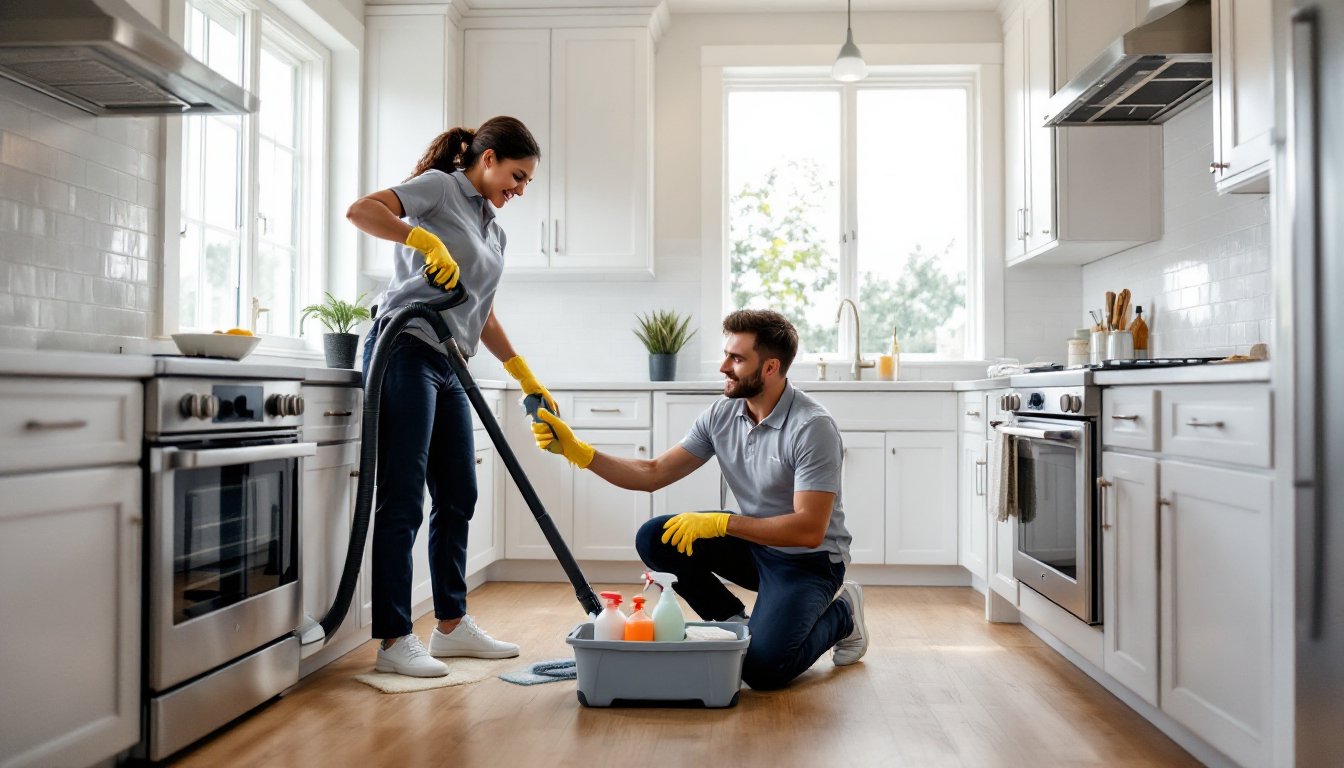
Before you clean, gather your tools and products in one place. You’ll need basic supplies: all-purpose cleaner, glass cleaner, disinfectant spray, toilet brush, microfiber cloths, sponges, mop, vacuum, and broom. Skip overbuying, most jobs work fine with five core products. Store everything in a caddy so you’re not running back and forth.
Next, create your game plan. Decide your cleaning day (Saturdays work for most families) and time how long each room actually takes. Set a realistic schedule, most homes take 3–4 hours for a thorough cleaning versus 30–45 minutes for surface tidying. Knowing this helps you plan your week.
Declutter and Organize Before You Clean
This step separates a proper cleaning checklist from wasted effort. You can’t clean effectively around clutter. Spend 15–20 minutes putting items back where they belong in each room before you touch a cloth.
Following a home cleaning checklist means decluttering comes first. Pick up toys, fold blankets, clear countertops, and load the dishwasher. This transforms your cleaning time into actual cleaning instead of moving stuff around. It also reveals surfaces you forgot existed, and they probably need attention.
Room-by-Room Cleaning Checklist
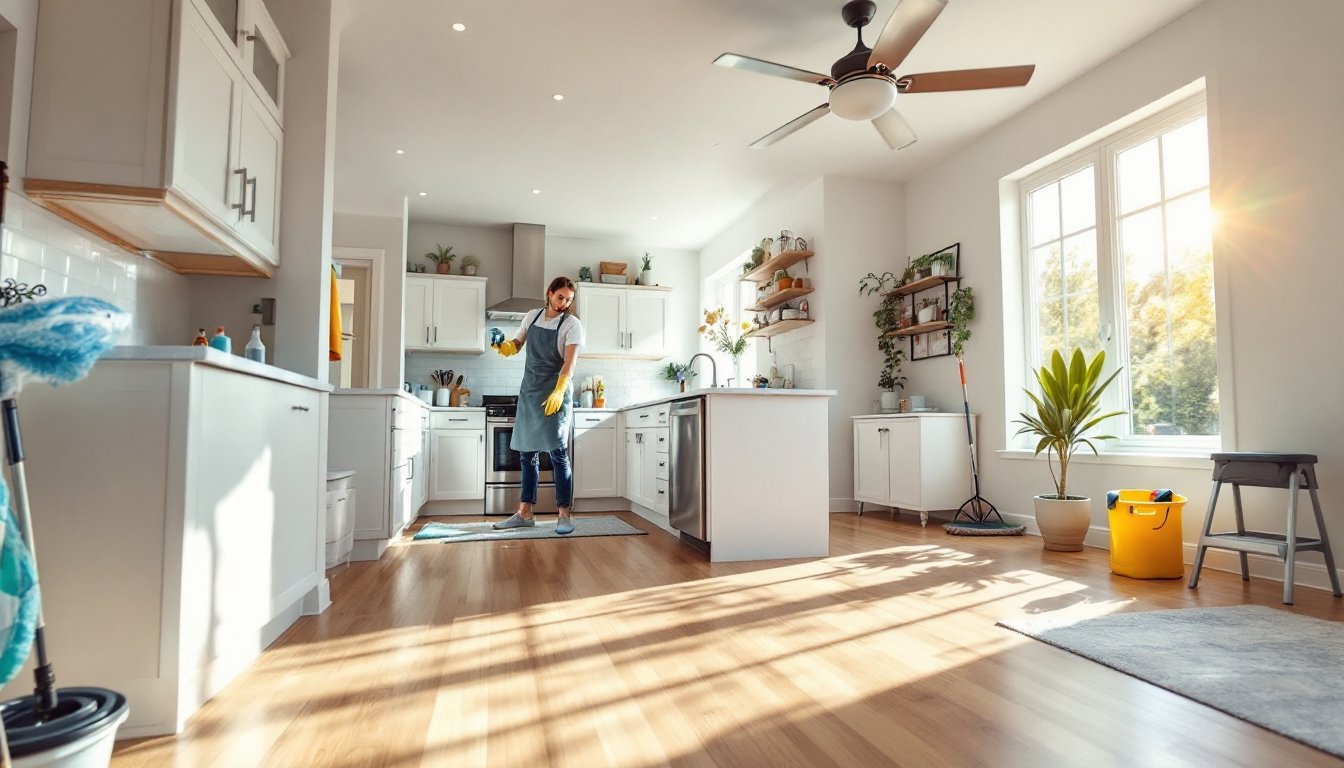
Kitchen: Start high with light fixtures and cabinets, then work down. Wipe interior microwave, stovetop, and inside the fridge. Clean sink and faucet (soap scum builds fast here). Sweep and mop floors last, since debris falls from upper surfaces.
Bathrooms: Apply toilet bowl cleaner and let it sit while you tackle mirrors and glass with window spray. Scrub the toilet, clean the shower/tub, wipe vanity, and mop floors. Humidity breeds mold, so check corners. Use a disinfectant spray on high-touch surfaces like door handles.
Bedrooms: Change sheets, dust surfaces (including ceiling fan blades, they collect grime), vacuum under beds, and wipe baseboards. Don’t skip under-bed areas: dust accumulates there fast.
Living Areas: Dust all surfaces including shelves, TV screens, and lampshades. Wipe down furniture where needed. Fluff cushions and straighten decor. Vacuum or sweep floors thoroughly.
Floors: Always vacuum or sweep first, then mop. Mopping over dirt just spreads grime around. For a thorough deep clean, many homeowners reference professional cleaning tools to ensure they’re not missing anything. Hot water and appropriate floor cleaner (not all floors like the same products) makes a real difference in final appearance.
Daily, Weekly, and Monthly Cleaning Schedules
Daily Tasks (5–10 minutes): Make beds, wash dishes or load the dishwasher, wipe kitchen counters and stovetop, quick bathroom sink wipe, sweep kitchen floor if needed. These prevent buildup.
Weekly Tasks (1–3 hours): This is your core cleaning day. Follow the room-by-room checklist above. Change bed sheets, clean bathrooms thoroughly, mop hard floors, dust all surfaces, vacuum carpets and furniture, clean mirrors and windows. Many homeowners find a household cleaning schedule posted visibly keeps the family on track.
Bi-weekly Deep Tasks (optional but effective): Clean inside the oven, wipe down light switches and door frames, deep clean baseboards, vacuum under furniture, and sanitize remote controls and phone screens (high-touch items harbor germs).
Monthly Deep Cleaning: Once monthly, tackle bigger jobs: inside microwave and fridge, ceiling corners (cobwebs and dust), inside cabinets, under appliances, window sills and tracks, and baseboards. Resources like expert cleaning checklists break this down further if you want extra detail.
The key: consistency matters more than perfection. A five-minute daily effort and a solid weekly routine beat sporadic marathons.
Conclusion
A reliable cleaning list for house isn’t about obsession, it’s about creating a system that works for your life. Start with daily and weekly basics, then add monthly deep tasks as you settle in. Your home will look better, feel fresher, and require less total effort over time. Post your checklist where everyone sees it, adjust it based on what actually works for your family, and stick with it. Within a month, you’ll notice the difference.