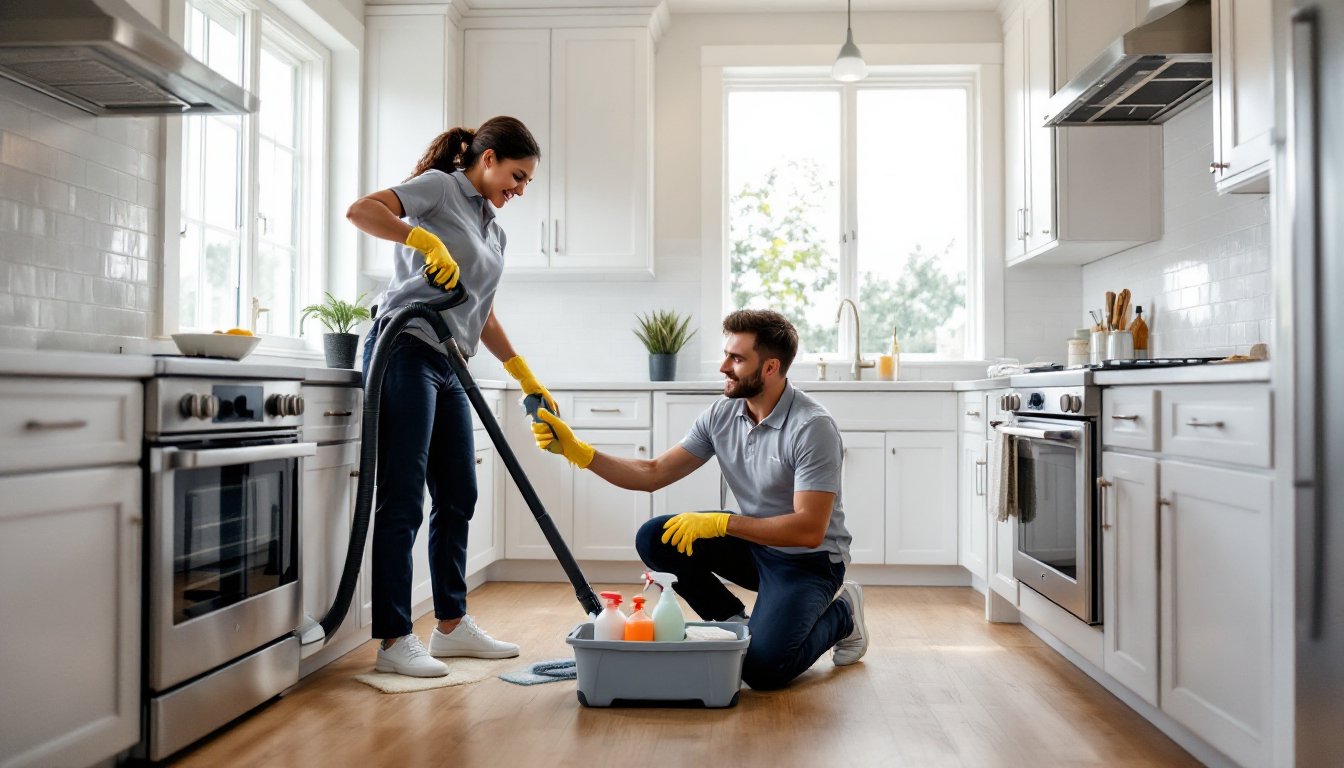

A clean home doesn’t happen by accident, it happens by system. Whether you’re juggling work, kids, or just life’s chaos, a structured home cleaning to-do list keeps your space livable without consuming your weekends. This isn’t about perfection or those glossy magazine homes: it’s about having a practical plan that fits real life. When you break cleaning into daily habits, weekly priorities, and monthly deep dives, the work becomes manageable. You’ll know exactly what needs attention each day, eliminate decision fatigue, and actually enjoy a tidy home. Let’s walk through a complete cleaning schedule you can adapt to your own space and pace.
Table of Contents
ToggleKey Takeaways
- A structured home cleaning to-do list breaks tasks into daily habits (15–30 minutes), weekly priorities, and monthly deep dives to make the workload manageable and prevent overwhelm.
- Daily cleaning tasks like making the bed, washing dishes immediately, wiping counters, and quick clutter pickups form the foundation that keeps your home livable without consuming weekends.
- Weekly cleaning sessions should include vacuuming all carpets, mopping hard floors, sanitizing bathrooms, and washing sheets—tasks that prevent dust and grime buildup between deep cleans.
- Monthly deep cleaning targets neglected areas like behind appliances, inside refrigerators, kitchen cabinets, and baseboards where dirt accumulates beyond weekly routines.
- Consistent daily habits reduce overall cleaning workload by up to 40% compared to sporadic deep cleans, making a home cleaning to-do list the most effective approach to maintenance.
- Seasonal adjustments (spring/summer window washing and outdoor refresh, fall/winter indoor focus and mudroom organization) ensure your home stays clean year-round with weather-appropriate priorities.
Daily Cleaning Tasks
Daily cleaning isn’t about scrubbing every surface, it’s about preventing clutter and mess from piling up. These tasks take just 15 to 30 minutes if you stay consistent.
Start with the bed. Making it takes two minutes but sets a tone of order for your whole room and bedroom. Next, handle dishes immediately: load or hand-wash dishes after meals rather than letting them sit. This prevents kitchen funk and keeps your counter usable.
Wipe kitchen and bathroom counters once daily, morning or evening, pick a time and stick to it. Rinse the sink after washing dishes: a clean sink is a psychological win that makes the kitchen feel fresh. Take out trash and recycling as they fill, not once a week when they’re overflowing.
Sweep or vacuum high-traffic areas (kitchen, entryway, hallway) where dirt accumulates fastest. A quick 5-minute pass beats a marathon session later. Set a timer for a 10 to 15-minute clutter pickup: toss mail, gather stray items, return things to their rooms. Handle laundry as it builds up, a load or two each day is easier than a mountain on Sunday. Finally, check and sort mail so bills and important papers don’t vanish in a pile. These daily habits are the foundation that makes everything else manageable.
Weekly Cleaning Priorities
Set aside one or two sessions per week (Saturday morning, Wednesday evening, whatever works) to handle tasks that need more than a quick touch. Dust all surfaces including ceiling fans, light fixtures, shelves, and furniture tops and undersides. Dust settles quietly and builds up fast, so weekly attention stops it from becoming a grimy layer.
Vacuum all carpets, rugs, and under furniture where dust and pet hair hide. Mop hard floors, tile, hardwood, laminate, weekly in kitchens and bathrooms where moisture and spills are common. Clean bathrooms thoroughly: sinks, toilets, tubs, showers, mirrors, and counters. Use a toilet brush and disinfectant for toilets: a microfiber cloth and appropriate cleaner for mirrors and chrome.
Wipe appliances, countertops, and backsplashes in the kitchen. Clean the microwave inside and out (dried splatters are stubborn). Wipe down the stovetop and range hood. Sanitize high-touch areas: doorknobs, light switches, remote controls, and phone surfaces, these harbor bacteria and are worth a quick pass with a disinfectant wipe.
Wash sheets, towels, and bath mats weekly. This prevents odors and keeps linens fresh. Clean interior windows and sills where dust and condensation collect. Finally, organize your entryway: shoes in a rack or cubby, coats on hooks, kids’ gear corralled. When entry areas stay orderly, your whole home feels more controlled. A household cleaning planner helps you assign these tasks to specific days so nothing falls through the cracks.
Monthly Deep Cleaning Checklist
Once a month, tackle jobs that are too big for weekly routines. Clean out the refrigerator: remove old shelves and liners, toss expired food, wipe shelves with a mild disinfectant, and reorganize. A clean fridge prevents foodborne illness and makes space for fresh groceries.
Degrease the range hood and exhaust fan, a vent clogged with grease reduces airflow and increases fire risk. Use a degreaser and old toothbrush for vents. Sanitize your garbage and recycling bins inside and out: rinse them with a hose and dry them. Pull appliances away from walls and clean behind refrigerators, ovens, and dishwashers where crumbs, dust, and grease accumulate.
Deep clean kitchen cabinets and drawers: remove items, wipe interiors, and purge expired spices and broken tools. Vacuum upholstery and cushions with an upholstery attachment or soft brush. Wash throw blankets and pillow covers, machine wash if care labels allow. Dust furniture tops, fronts, and undersides where dust bunnies hide.
Clean walls, baseboards, and doorframes with a magic eraser or soft cloth and appropriate cleaner. These gather fingerprints and dust that weekly cleaning misses. Rotate and flip your mattress to even out wear and extend its life. Some homeowners prefer a house deep cleaning service for these tasks, especially if mobility is limited or time is extremely tight. Monthly attention to these areas prevents dirt from becoming baked-on grime.
Seasonal Cleaning Projects
Seasonal shifts bring changes to your home’s needs and your cleaning priorities. These bigger projects deserve their own category.
Spring and Summer Refresh
As weather warms, focus on opening up your home and refreshing it after winter. Wash windows and screens inside and out, sun highlights streaks and grime you’ve lived with all season. Deep clean patios, decks, entryways, and high-traffic areas where winter grit has settled. Use a pressure washer for concrete if you have one, or a brush and hose for gentler surfaces.
Declutter closets and storage: pull out winter coats, heavy sweaters, and boots. Wash and pack seasonal clothing in airtight bins. Refresh bedding and washable fabrics: wash heavier blankets and comforters. Clean fans, vents, and light fixtures where dust has accumulated. Organize outdoor gear, gardening tools, and seasonal items so they’re accessible. This is also the time to touch up paint on walls or trim if winter has dinged things up.
Fall and Winter Maintenance
As temperatures drop, shift your focus indoors. Clean vents, baseboards, and areas around heating systems where dust thickens up when furnaces run. Wash blankets, comforters, and heavier bedding to freshen them for colder months. Organize your mudroom or entryway so winter gear (boots, coats, scarves, gloves) is easy to grab and put away.
If you have gutters or outdoor areas, fall is the time to clean gutters of leaves and prep outdoor spaces. Winter brings more indoor time, so focus on floors, rugs, and high-touch surfaces that take extra abuse. Refresh your pantry and kitchen supplies for colder months, check expiration dates and stock up on comfort foods and staples. A tip cleaning service home expert recommends seasonal deep dives every three months to adjust for weather and household habits.
Organization Tips for Staying on Track
A cleaning schedule is only useful if you actually follow it. Here’s how to make it stick.
Break tasks into small, manageable pieces rather than looking at “deep clean the house.” Instead: “vacuum bedrooms,” “clean bathroom mirrors,” “wipe kitchen cabinets.” Small wins feel satisfying and are less intimidating.
Keep a written checklist visible in a common area, kitchen fridge, bathroom mirror, or planner. Crossing things off creates momentum and accountability. Use daily, weekly, monthly, and seasonal categories so you know at a glance what’s overdue.
Clean the most-used rooms first. Kitchens and bathrooms show results quickly and make the biggest impact on how your home feels. Invest in a cleaning caddy, a plastic basket with handles, to move all your supplies room to room instead of running back to the closet a dozen times. Set a timer for short cleaning sessions, like 15 or 20 minutes. Time pressure makes you focus and prevents you from getting distracted.
Track what you’ve completed to avoid duplicate work and burnout. Homeowners using professional cleaning tools report finishing faster, but your schedule matters more than your tools. Research from Good Housekeeping shows that consistent daily habits reduce the overall workload by up to 40% compared to sporadic deep cleans. Pair your schedule with a room-by-room action plan if you’re starting from chaos. This combination, routine plus structure, is how real homes stay clean.