Keeping a home clean doesn’t require expensive gadgets or complicated routines, it requires a clear plan. Whether you’re tackling a weekly refresh or a deep clean, having a solid household cleaning list takes the guesswork out of where to start and what to prioritize. This guide breaks down cleaning into manageable room-by-room tasks, offering a practical checklist that works for busy homeowners who want results without the overwhelm. From kitchen counters to bathroom tiles, you’ll know exactly what needs attention and why it matters.
Table of Contents
ToggleKey Takeaways
- A well-organized household cleaning list breaks tasks into manageable room-by-room sections, eliminating guesswork and preventing overwhelming marathons.
- Weekly maintenance routines—lasting just 1–2 hours—prevent dirt buildup and keep your home consistently clean without exhausting monthly deep cleans.
- Essential tools like microfiber cloths, quality brooms, and multipurpose cleaners outperform specialty products; focus on versatile supplies rather than accumulating unnecessary gadgets.
- High-touch areas such as faucets, door handles, and light switches harbor germs and require regular disinfection as part of your cleaning routine.
- A personalized cleaning schedule that assigns specific tasks to specific days—like Monday bathrooms or Wednesday kitchens—builds sustainable habits and prevents burnout.
- Consistency matters more than intensity; committing to a realistic cleaning plan you can maintain beats an overly ambitious schedule that leads to failure.
Kitchen Cleaning Essentials
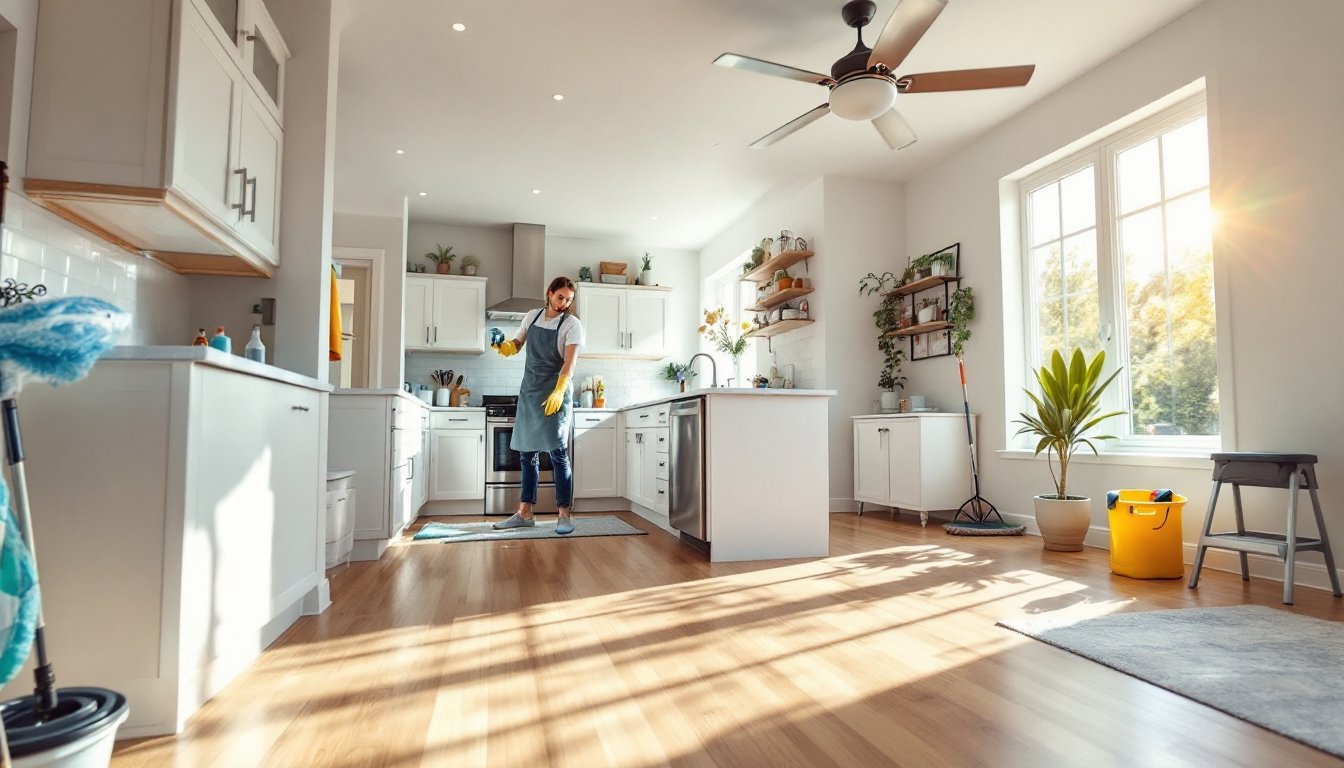
The kitchen is the heart of any home and deserves focused attention. Start by clearing countertops, wipe down surfaces, move items aside, and don’t skip corners where crumbs hide. Clean the stovetop and backsplash next, using a damp cloth and appropriate degreaser if needed. Don’t forget the microwave: microwave a bowl of water mixed with lemon juice for three minutes, then wipe the interior clean.
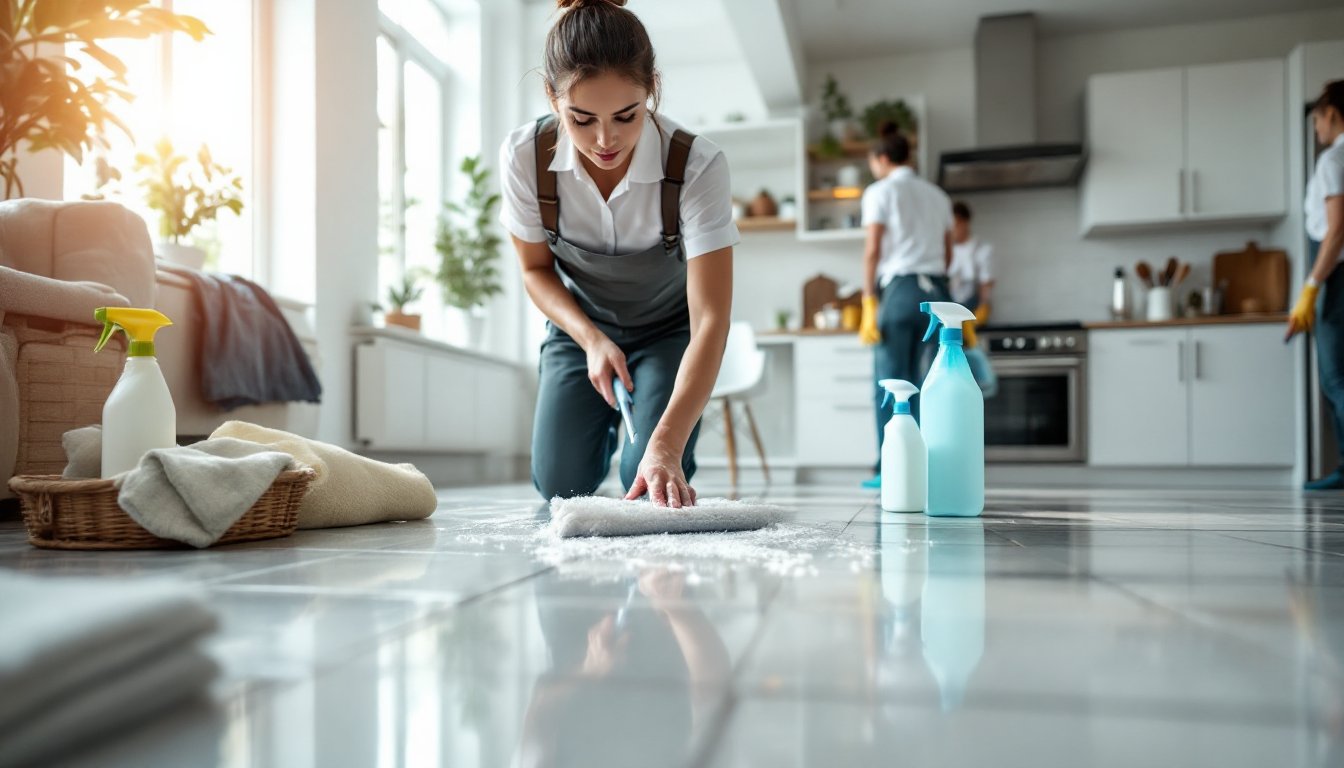
Move to the appliances. Wipe the refrigerator exterior, clean the oven interior if it needs it (or schedule this as a monthly task), and don’t overlook small appliances like the coffee maker or toaster. Sink time matters too, scrub the basin, polish the faucet, and clear the drain. Finally, sweep and mop the floor, working from the back of the kitchen toward the exit to avoid stepping on wet surfaces. A room-by-room action plan can help you stay organized while tackling kitchens efficiently.
Bathroom Deep Clean Tasks
Bathrooms demand attention to both visible surfaces and hidden spots where bacteria thrive. Begin with the toilet: apply a toilet bowl cleaner under the rim, let it sit for five minutes, then scrub with a brush and flush. For stubborn stains, let the cleaner work for 10–15 minutes before scrubbing harder.
Move to the sink and vanity. Wipe down countertops, clean the mirror (a microfiber cloth and white vinegar solution works great), and scrub the faucet and handles. These high-touch areas collect germs and soap residue quickly. The shower or tub requires scrubbing walls, the floor, and the fixtures, use a bathroom tile cleaner for mold and mildew. Don’t skip the grout lines: a stiff brush works better than a sponge here. Finish by wiping down all surfaces with a disinfectant, sweeping the floor, and mopping. A deep cleaning service guide shows why tackling bathrooms thoroughly makes a real difference in how fresh your home feels.
Living Areas and Bedrooms
Living rooms and bedrooms require different energy than kitchens and bathrooms. In living areas, start by decluttering, pick up items off the floor and surfaces, then do a quick dust of tables, shelves, and entertainment equipment. Wipe down light switches and door handles: these touch points harbor dirt and dust. Vacuum or sweep thoroughly, paying special attention to corners and under furniture where dust settles.
Bedrooms demand similar attention. Strip and launder bedding regularly (at least weekly). Dust nightstands, dressers, and ceiling fans. Vacuum under the bed and closet floors, dust loves hiding spots you can’t see every day. Wipe down mirrors and glass surfaces. If you have wooden furniture, use a proper wood polish to maintain the finish and repel dust. These areas benefit from air circulation: open windows when possible and consider a light mist of fabric refresher on upholstered items. Professional cleaning tools make living area work faster and more effective.
Weekly Maintenance Routine
A weekly routine prevents dirt from building up and keeps your home consistently presentable. Set aside 1–2 hours each week for a focused pass through your entire home. The key is consistency rather than intensity.
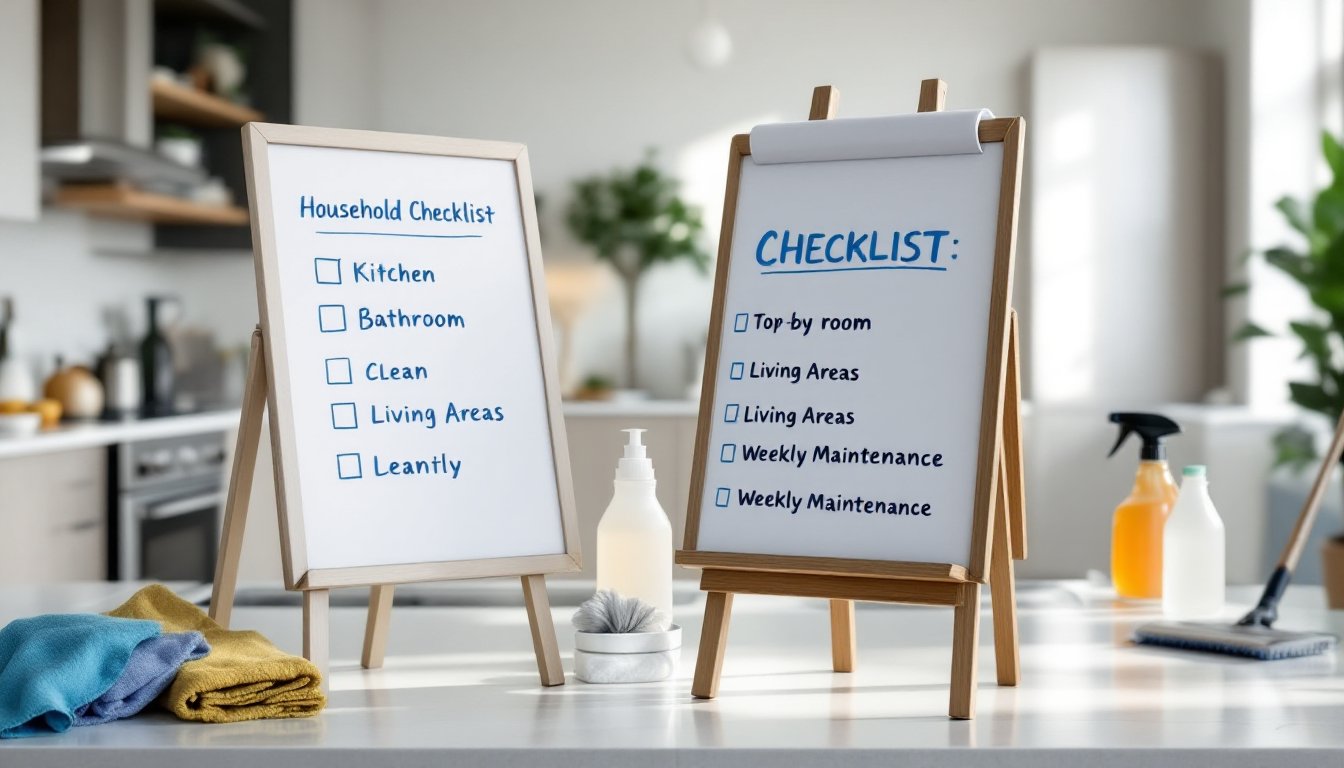
On your chosen day, follow this order: start with bathrooms (toilet, sink, shower), then the kitchen (counters, stovetop, sink, floor), followed by living areas and bedrooms (dusting, vacuuming, changing bed linens). This order makes sense because you’re moving from wet work to dry work, and you’re not dragging dirt from common areas back through bathrooms. Keep a supplies basket ready so you’re not hunting for products mid-clean. A quick weekly checklist keeps you accountable and prevents the need for exhausting monthly deep cleaning marathons. Many homeowners find that blocking time every Friday or Sunday morning creates a sustainable habit.
Essential Cleaning Tools and Supplies
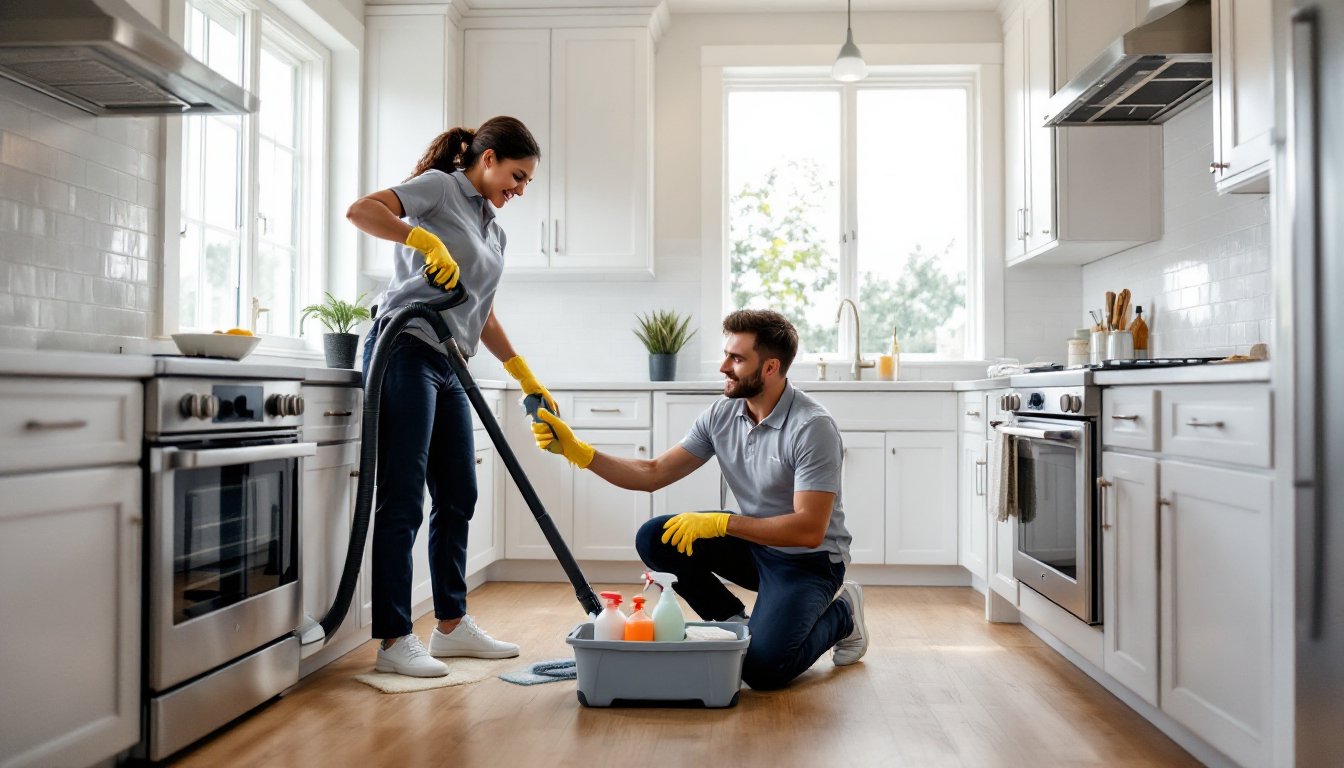
You don’t need an overwhelming collection of tools to clean effectively. Start with a foundation: microfiber cloths (reusable and cheaper long-term than paper towels), a good broom and dustpan, a vacuum or carpet sweeper, and a mop and bucket. For bathrooms, grab a stiff-bristled brush for scrubbing tile and grout, and a toilet brush with its own holder.
For supplies, focus on multipurpose essentials: an all-purpose disinfectant spray, a bathroom tile and mold cleaner, a degreaser for kitchens, and white vinegar (incredibly versatile and cheap). A squeegee for shower doors saves time and prevents mildew. Optional but worthwhile: a handheld vacuum or dustbuster for quick spot-cleaning, and a steam cleaner if you want to tackle grout or stubborn bathroom stains without harsh chemicals. Don’t buy specialty products for every surface, one good multipurpose cleaner and task-specific items (bathroom, kitchen) cover 90% of your needs. Research from expert cleaning resources confirms that having the right tools matters more than having lots of them.
Creating Your Personal Cleaning Schedule
A tailored cleaning schedule keeps your household cleaning list realistic and sustainable. Start by deciding your baseline: weekly cleaning for high-traffic areas (kitchen, bathrooms, main living spaces) and monthly deep cleaning for everything else (baseboards, ceiling fans, inside appliances, windows).
Write down your tasks by frequency and assign them to specific days. For example: Monday could be bathrooms, Wednesday kitchens, Friday living areas and bedrooms. Seasonal tasks like washing windows, cleaning gutters, or inside-oven cleaning might happen quarterly or twice yearly. If you live in a larger home or have pets, you may need to vacuum more frequently. Don’t add more to your plate than you can realistically handle each week, better to maintain what you commit to than burn out trying to keep an overly ambitious list. Emergency quick-cleaning tips help when life gets chaotic and you need a backup plan for maintaining basic cleanliness.
Conclusion
A household cleaning checklist transforms cleaning from an overwhelming chore into a manageable system. By breaking tasks into rooms, prioritizing weekly maintenance, and investing in essential tools, you’ll maintain a clean home without exhaustion. The key is consistency, pick a schedule that works for your life and stick with it. Your space will feel fresher, more organized, and genuinely livable.