
Deep cleaning isn’t something you tackle every week, it’s the thorough, detailed work that happens a few times a year to reach the spots regular cleaning misses. Most homeowners know they should deep clean, but without a solid deep cleaning checklist, the task can feel overwhelming and easy to procrastinate on. This guide walks you through a practical deep clean check list for every major room in your home, breaking down what needs attention and how to approach it efficiently. Whether you’re preparing for a holiday, spring refresh, or simply want a fresher living space, following a room-by-room strategy makes the work manageable and ensures nothing gets overlooked.
Table of Contents
ToggleKey Takeaways
- A deep cleaning checklist organized by room prevents overwhelm and ensures no area is missed, making the process manageable and systematic.
- Deep cleaning removes hidden allergens, mold, dust mites, and bacteria that regular tidying misses, directly improving air quality and family health.
- The kitchen requires the most attention during deep cleaning, with focus on appliance interiors, degreasing backsplashes, range hoods, and cabinet surfaces for food safety.
- Bathroom deep cleaning must address grout, mold, soap scum, and moisture buildup using appropriate cleaners like vinegar, baking soda, or diluted bleach solutions.
- Scheduling deep cleaning tasks quarterly or seasonally, along with tackling one or two rooms per session, maintains your home’s condition and extends appliance lifespan without burnout.
Why Deep Cleaning Matters for Your Home
Deep cleaning addresses the buildup that happens over time, dust behind furniture, grime in baseboards, mold in shower corners, and residue on light fixtures. Regular weekly tidying keeps your home presentable, but it doesn’t tackle hidden dirt, allergens, or the gradual deterioration that affects air quality and surfaces. Deep cleaning extends the life of appliances, flooring, and fixtures by removing abrasive buildup and preventing staining or permanent damage. From a health perspective, a thorough deep cleaning reduces dust mites, mold spores, and bacteria that accumulate in carpets, upholstery, and ventilation systems. Many homeowners also notice that a completely cleaned home feels psychologically lighter, spaces look brighter, smell fresher, and function better. Tackling a house deep cleaning service or doing it yourself with a structured approach ensures you’re addressing the areas that matter most and won’t miss critical spots.
Having a clear deep clean check list keeps you on track and prevents decision fatigue. Instead of wondering what to tackle next, you move systematically through each room, checking off tasks as you complete them. This structured approach also helps you allocate time realistically, you know roughly how long the kitchen will take versus the bathroom, and you can schedule accordingly.
Kitchen Deep Cleaning Essentials
The kitchen is where deep cleaning yields the most visible results and has the biggest impact on food safety and appliance performance. Start by emptying cabinets, wiping shelves, and replacing shelf liners if needed. Wipe down all cabinet exteriors, handles, and the tops where dust settles. Don’t overlook the interior of drawers, dust and crumbs accumulate here and attract pests.
For your countertops, remove everything and clean under it. Use appropriate cleaners for your surface type: a pH-neutral cleaner for natural stone, a degreasing cleaner for laminate, and mild soap for wood. Pay attention to the backsplash, grease and splatters build up over months, especially behind the stove. A damp cloth with a bit of baking soda handles stubborn spots without damaging most surfaces.
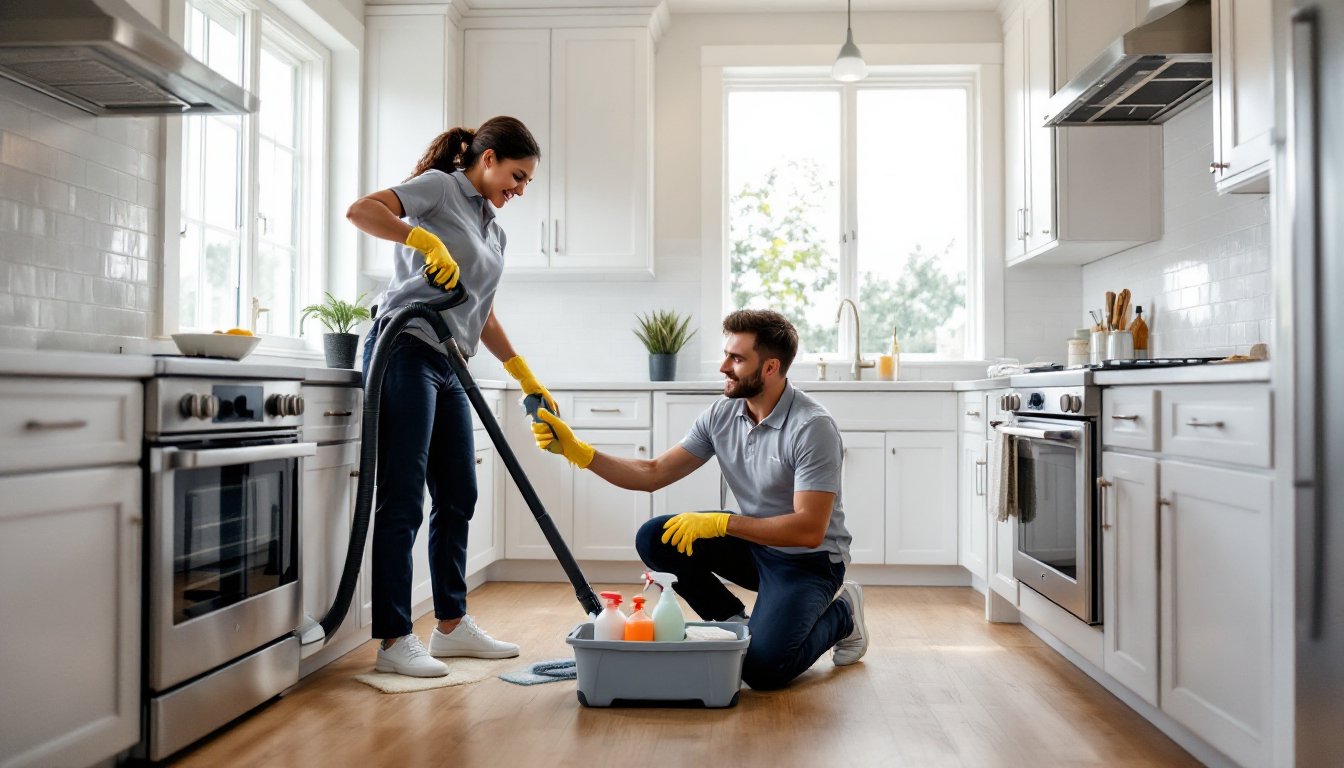
The refrigerator, oven, and microwave deserve special attention. Remove shelves and drawers, wash them with warm soapy water, and wipe down the interior walls. For the oven, use a commercial oven cleaner or a baking soda paste applied the night before for easier removal. The microwave responds well to heating a bowl of water with lemon juice inside for 5 minutes, the steam loosens splatters, then you wipe. Range hoods and vents collect grease: wash or replace filters and wipe fan blades with a degreasing cleaner.
Appliances and Surfaces
Stainless steel appliances need a dedicated approach. Wipe them with the grain using a soft cloth and either a stainless steel cleaner or a bit of mineral oil on a microfiber cloth. This prevents streaks and fingerprints from becoming obvious. For the dishwasher, run it empty with a cup of white vinegar in the bottom to clean interior walls and spray arms.
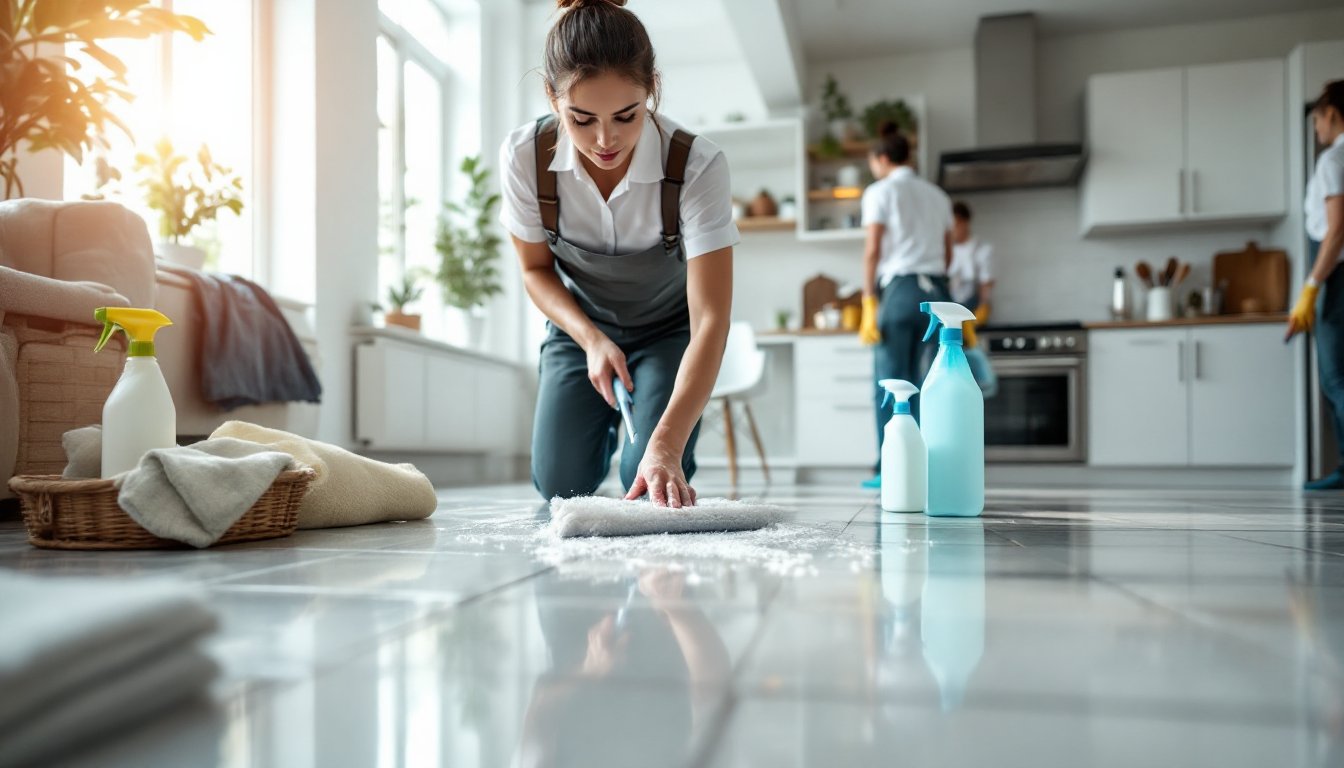
Linoleum or tile floors require scrubbing, use a mop with hot water and an appropriate floor cleaner. Baseboards in the kitchen accumulate greasy dust: wipe them with a damp cloth. Don’t skip the inside of cabinets under the sink, mold and mildew thrive in dark, damp spaces. Wipe with a cloth dampened with white vinegar or a mild bleach solution (test first on inconspicuous spots). Light fixtures and switches also need attention, dust them and wipe down switch plates, which collect fingerprints and dust. When planning a house deep cleaning guide, the kitchen deserves the most time and attention.
Bathroom Deep Cleaning Strategy
Bathrooms accumulate moisture, mold, and soap scum faster than any other room, making deep cleaning essential for both cleanliness and health. Start by decluttering shelves and the vanity, remove expired products and wipe down every surface. Clean out the bathroom cabinet, throwing away old medications and dried-up bottles.
The toilet requires more than a weekly brush. Use a toilet bowl cleaner and let it sit for several minutes, then scrub with a stiff brush under the rim and around the waterline where stains and bacteria accumulate. Don’t forget the exterior, wipe down the tank, lid, and base where dust settles. For stubborn rust rings, a pumice stone designed for toilets works well on porcelain (though avoid on modern treated surfaces, check your toilet’s specs).
The sink faucet and handles collect soap residue and mineral deposits. Soak aerators in white vinegar overnight to dissolve mineral buildup, then rinse and reinstall. Wipe all faucet surfaces with an appropriate cleaner for your finish, chrome responds to glass cleaner, while brushed nickel needs gentler treatment.
Tile, Grout, and Hard-to-Reach Areas
Grout is where bathrooms really show neglect. Standard grout is porous and absorbs moisture, soap, and dirt. A grout brush or an old toothbrush paired with a grout cleaner (commercial or a baking soda paste) works well on light soil. For stubborn mold or mildew in grout, a diluted bleach solution (1 part bleach to 10 parts water) kills spores, apply, let sit for 10 minutes, scrub, and rinse thoroughly. Always ventilate well when using bleach and avoid mixing it with ammonia-based products. Seal grout after cleaning if it’s unsealed: this prevents dirt and moisture from penetrating again. According to expert cleaning resources, grout maintenance is one of the most commonly overlooked deep cleaning tasks.
Tile itself is easier to clean than grout, use a neutral tile cleaner or hot water with a small amount of dish soap. A steam cleaner is effective if you have one, as it reaches deep into grout lines. The shower or tub surround, shower doors, and tub itself need scrubbing with a bathroom cleaner. Remove soap scum with a specialized product or a vinegar-based cleaner. Don’t overlook corners, ledges, and the ceiling where mold and mildew hide. The bathroom exhaust fan and light fixtures also collect dust and moisture: wipe them carefully and replace or clean the fan filter. Finally, baseboard trim around the tub or toilet absorbs splash and requires a thorough wipe-down with a damp cloth.
Bedroom and Living Room Deep Clean
Bedrooms accumulate dust on every surface, headboards, nightstands, dressers, ceiling fans, and baseboards. Start by vacuuming under the bed and behind furniture (move pieces carefully if doing this yourself, or wait for help if items are heavy). Dust all surfaces from top to bottom: ceiling fans first, then shelves, furniture, and light fixtures. Wipe down baseboards and the inside of closets if they’re finished (carpet or shelving). If you have carpet, consider a deep carpet clean using a rental machine or calling a professional, this removes deep-set dirt and allergens that vacuuming alone can’t reach.
Bedding deserves attention beyond weekly washing. Wash comforters and throw pillows if the care label allows, or take them to a professional cleaner. Mattresses benefit from vacuuming both sides and letting them air in sunlight if possible, UV light naturally kills dust mites and bacteria. Clean windows inside and out, including windowsills and tracks where dust and debris collect. Wash or replace curtains and blinds: dust accumulates heavily here.
Living rooms follow a similar approach. Vacuum under and behind couches, chairs, and entertainment units. Dust all surfaces including lampshades, table legs, and decorative items. If you have upholstered furniture, use an appropriate fabric cleaner or have it professionally cleaned if heavily soiled. Windows, blinds, and baseboards get the same treatment as bedrooms. Keeping your home’s exterior clean is important too, but focus energy on high-traffic interior spaces first. Resources like The Spruce offer detailed guidance on room-specific deep cleaning and maintenance tips. For rooms with hard flooring, use an appropriate floor cleaner, not all woods need the same treatment as tile, so read product recommendations. Don’t rush through living spaces: a fast, room-by-room action plan still requires careful execution in these main gathering areas.
Conclusion
Deep cleaning is an investment in your home’s condition, your family’s health, and your peace of mind. Rather than trying to deep clean everything at once, follow this checklist room by room, tackling one or two rooms per session if you’re doing it yourself. Most homeowners complete a thorough whole-home deep clean every quarter or after seasons change. Having a structured deep cleaning check list prevents overwhelm and ensures nothing falls through the cracks. Your home will thank you with fresher air, brighter surfaces, and longer-lasting appliances and finishes.