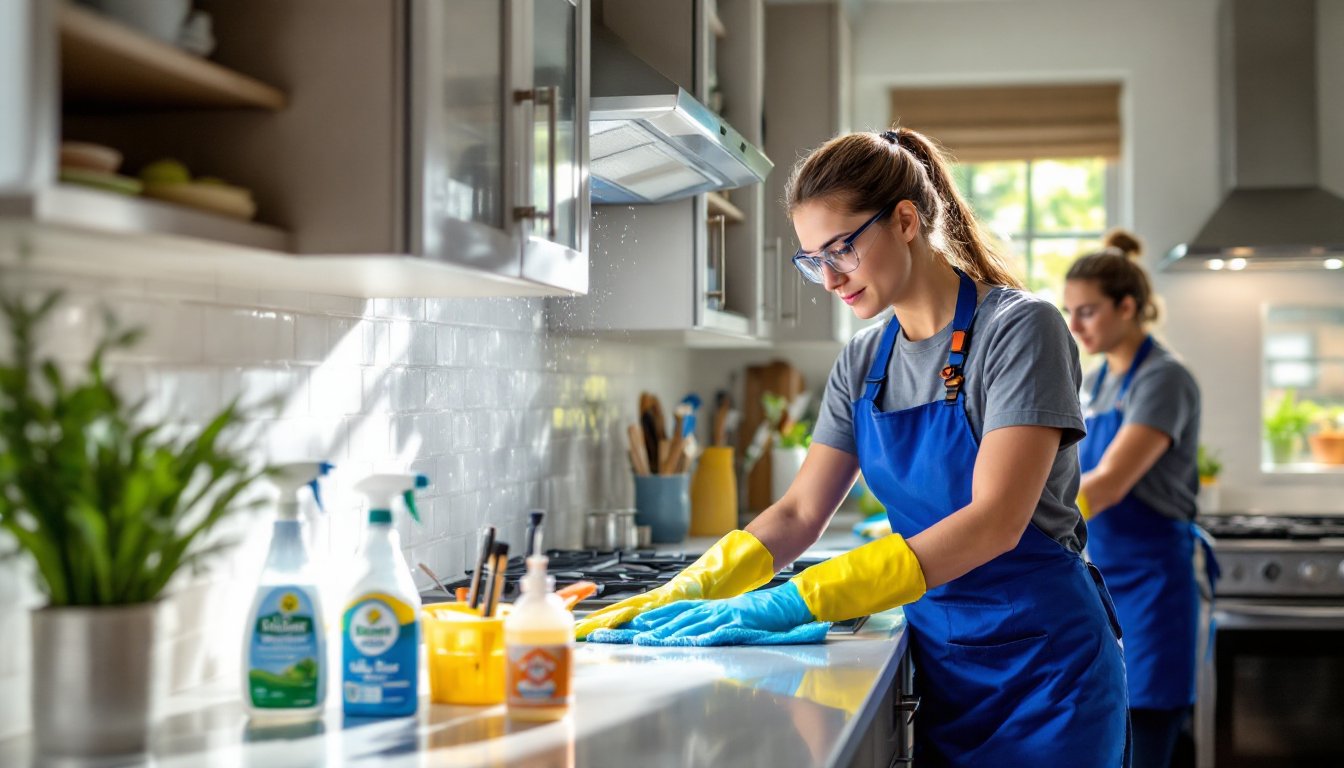
Deep cleaning goes far beyond your regular weekly sweep and vacuum. While routine tidying keeps surfaces tidy and floors clear, a true deep clean tackles the hidden spots, baseboards, ceiling fans, and inside appliances that accumulate dust and grime over months. Whether you’re preparing for guests, refreshing your home after a long season, or simply tired of ignoring those neglected corners, understanding the difference between standard housekeeping and a comprehensive deep clean is the first step. This guide breaks down what a deep clean actually involves, equips you with the right tools, and walks you through a systematic room-by-room approach that even a first-timer can handle.
Table of Contents
ToggleKey Takeaways
- Deep clean house cleaners tackle hidden areas like baseboards, ceiling fans, and inside appliances that regular cleaning misses, improving both appearance and indoor air quality.
- Essential tools for a thorough deep clean include microfiber cloths, stiff-bristled brushes, degreasers, and baking soda—most are affordable basics without expensive specialty equipment needed.
- A room-by-room systematic approach working top-to-bottom prevents missed spots and makes deep cleaning manageable, with kitchens and bathrooms requiring the most attention due to grease and moisture.
- Decluttering first, gathering supplies before starting, and pre-soaking stubborn stains with baking soda paste significantly reduce the time and physical effort required for deep cleaning.
- Professional deep house cleaners typically cost $200–$500 and are worth considering if you have mobility issues, severe neglect, or limited time, though annual DIY cleaning remains cost-effective for most homeowners.
What Is a Deep Clean and Why It Matters
Deep cleaning isn’t a cosmetic touch-up, it’s a comprehensive refresh that addresses areas most people skip during regular cleaning routines. According to resources on what deep cleaning entails, typical tasks include washing inside appliances, scrubbing grout lines, wiping down baseboards, cleaning behind furniture, and degreasing range hoods.
Your household deep cleaning might happen once or twice a year, or seasonally, depending on foot traffic, pets, and personal standards. The key difference: regular cleaning maintains what’s already clean, while deep cleaning restores surfaces that have accumulated buildup. Dust, pet hair, cooking grease, and soap residue settle into places your weekly routine never reaches. Over time, this buildup affects both appearance and indoor air quality.
A deep cleaning list typically includes high-touch surfaces, inside cabinets, light fixtures, vents, and areas under and behind appliances. Many homeowners find that tackling one room thoroughly per week spreads the effort across a month rather than burning out in a single weekend marathon.
Essential Tools and Supplies You’ll Need
Before you start, gather the right equipment. You don’t need expensive specialty gear, basics work fine, but having them in one place prevents frustration and keeps you moving.
Core Tools:
- Microfiber cloths (trap dust better than cotton)
- Two buckets (one for cleaning solution, one for rinsing)
- Stiff-bristled brushes for grout and baseboards
- Old toothbrush for tight corners and appliance crevices
- Squeegee for windows and shower doors
- Vacuum with upholstery attachments
- Mop and bucket (or spray mop for hard floors)
Essential Cleaning Supplies:
- All-purpose degreaser
- Glass cleaner
- Disinfectant spray or wipes
- Baking soda and white vinegar (natural alternatives for stubborn stains)
- Toilet bowl cleaner
- Grout cleaner or a paste of baking soda and hydrogen peroxide
- Dish soap
- Trash bags for decluttering
Safety Gear:
- Rubber gloves (protect hands from harsh chemicals)
- Safety glasses (especially when cleaning overhead)
- Dust mask (when vacuuming or sweeping heavy dust)
Mix all-purpose cleaner and degreaser with warm water following label directions. Keep solutions in labeled spray bottles for easy access. Avoid mixing bleach with ammonia or vinegar, the fumes are toxic.
Room-by-Room Deep Cleaning Strategy
A systematic approach prevents you from missing spots and keeps the work manageable. Work from top to bottom in each room, dust and debris fall downward, so you don’t re-dirty areas you’ve already cleaned. Start at the highest point in your home and work your way down.
Kitchen and Bathrooms
These rooms demand the most attention because they harbor grease, soap scum, and moisture.
Kitchen:
- Remove items from cabinets one shelf at a time: wipe shelves and backsides of items before replacing.
- Degrease the inside of the microwave: heat a bowl of water with lemon for 5 minutes, then wipe away softened grime.
- Clean the range hood filter, soak in hot, soapy water or run through a dishwasher cycle if it’s dishwasher-safe.
- Wipe down the exterior of appliances and clean stove burners thoroughly.
- Scrub the sink, faucet, and backsplash with appropriate cleaner.
- Mop baseboards and corners where grease settles.
Bathrooms:
- Scrub the toilet inside and out, including the base.
- Clean mirrors with glass cleaner and microfiber cloth (no streaks).
- Scrub shower walls and tub with a brush: pay attention to grout lines and corners where mold grows.
- Use a grout cleaner or baking soda paste for discolored grout.
- Wipe down light fixtures and exhaust vent cover (dust accumulates here).
- Clean inside drawers and under the sink: watch for leaks or mold.
These spaces take longer but yield visible, satisfying results. Many homeowners tackle the kitchen on one day and bathrooms on another to avoid fatigue.
Living Spaces and Bedrooms
Living areas tend to accumulate dust, pet hair, and hidden grime in less obvious places.
General Approach:
- Dust ceiling fans, light fixtures, and crown molding with an old pillowcase held underneath to catch falling dust.
- Wipe baseboards from corner to corner with a damp cloth.
- Clean behind and under furniture (move sofas, beds, dressers).
- Vacuum or wipe down window treatments and sills.
- Clean air vents and return air grilles, these collect dust that affects indoor air quality.
- Wipe down door frames and light switches.
- Vacuum or shampoo upholstered furniture if needed.
- Polish wood furniture or shelving.
Bedrooms benefit from the same systematic approach. Strip beds completely, wash all bedding, and vacuum the mattress. Dust under the bed and inside closets while you’re at it. For living rooms, moving furniture might take an extra 20 minutes, but it reveals surprising amounts of debris that regular vacuuming misses.
Time-Saving Tips for Efficient Deep Cleaning
Deep cleaning doesn’t have to consume an entire weekend if you work strategically.
Declutter First: Before you start cleaning, remove items you don’t need. Less stuff means faster dusting and fewer things to move around. Donate or discard items that don’t belong or are broken.
Work Top to Bottom: Dust and grime flow downward. Clean ceilings and upper shelves first, then work down to floors. This prevents re-cleaning surfaces.
Use One Room at a Time: Rather than attempting the entire house in one go, deep clean one room per week or per day. This keeps the project from feeling overwhelming and maintains momentum.
Play Music or Podcasts: Stay engaged and lose track of time. A good playlist turns a tedious task into background activity.
Gather All Supplies Before Starting: Running back and forth wastes time. Set up a caddy with brushes, cloths, and spray bottles in each room.
Pre-soak Stubborn Stains: Let baking soda paste or vinegar solution sit for 15 minutes on tough spots, it does half the work for you.
Let Gravity Help: Spray cleaner on a vertical surface and let it drip down while you work on something else. The dwell time loosens grime.
Many homeowners find that a house deep cleaning service handles the heavy lifting when time or physical limitations make DIY impractical. But, smaller projects remain perfectly manageable on your own with a solid plan.
When to Call Professional Deep Cleaners
Not every household situation calls for DIY deep cleaning. If you’re managing mobility issues, recovering from an injury, dealing with severe neglect, or juggling multiple work schedules, a house deep cleaning service makes sense. Professional cleaners bring industrial equipment, trained techniques, and efficiency that dramatically compress the timeline.
A household deep cleaning performed by professionals typically costs $200–$500 depending on home size, current condition, and location. While higher than casual tidying, it’s offset by your recovered time and the quality results. Professional teams also tackle jobs that require specialized equipment, like carpet shampooing or high-window cleaning.
Consider professional help if your space has accumulated damage (deep mold, stubborn stains, or years of buildup), if you’re elderly or disabled, or if you’re moving into a new home and want a fresh start. Getting a quote from house cleaning services in your area often reveals that the cost is reasonable for the work involved.
For most homeowners who tackle deep cleaning annually or semi-annually, DIY remains cost-effective and achievable with proper planning and tools.