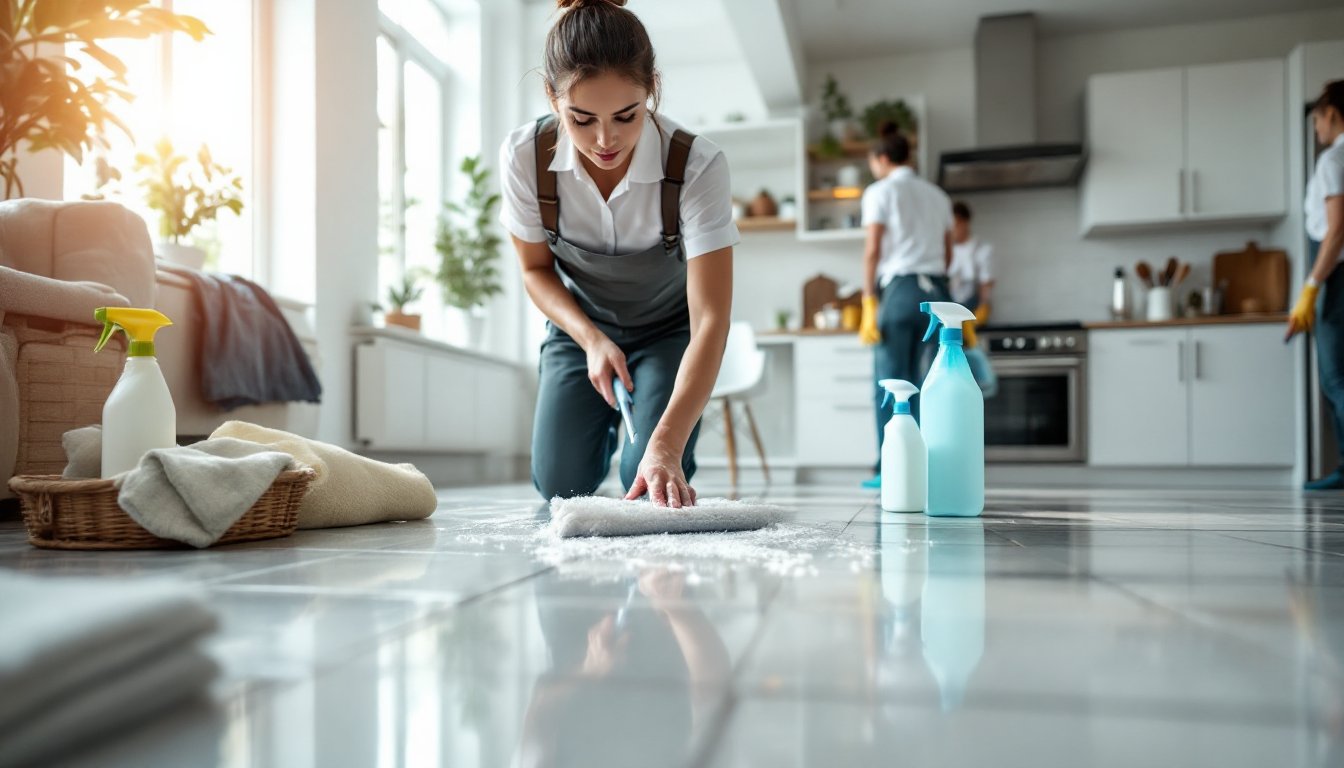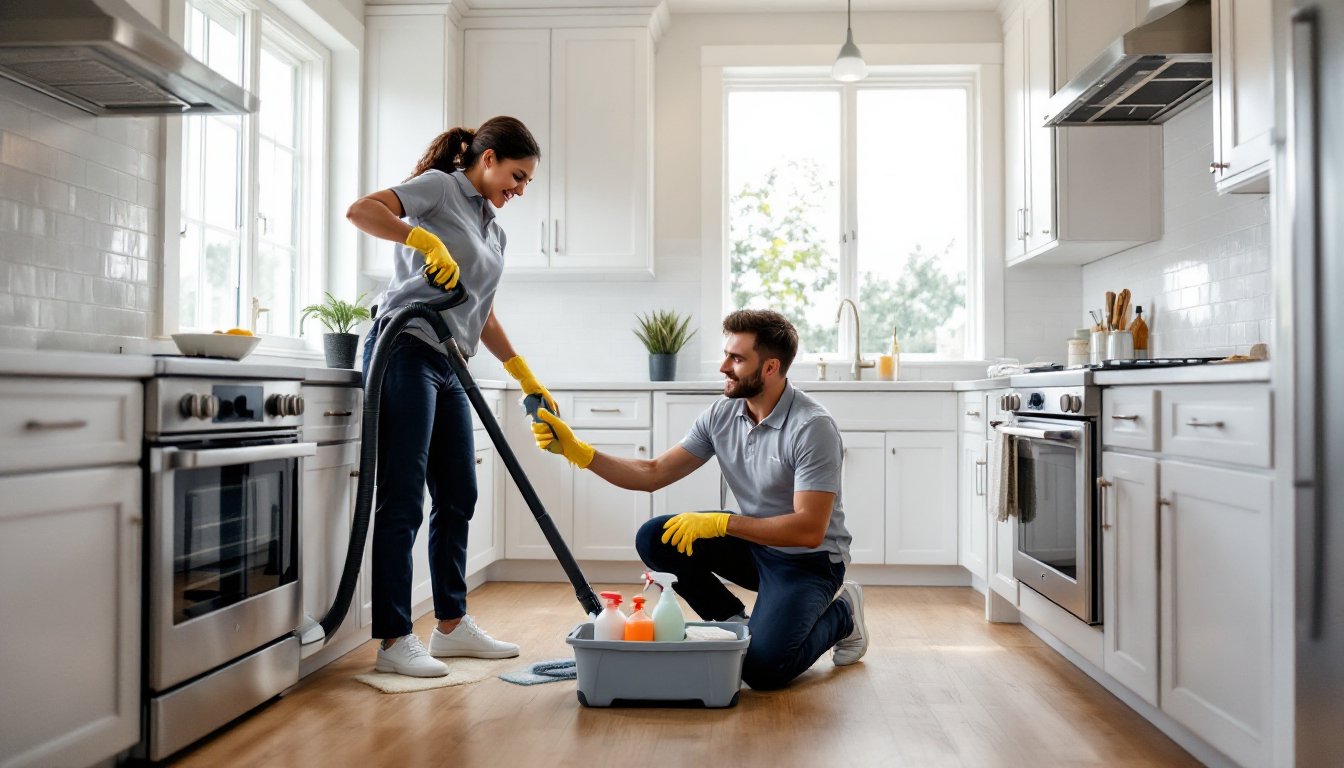

Keeping a home clean doesn’t have to feel like a never-ending battle. The difference between a chronically messy house and one that stays tidy isn’t magic, it’s a system. A solid clean house checklist breaks the work into manageable daily, weekly, and monthly tasks so nothing gets overlooked and you’re not scrambling on the weekend. Whether you’re tackling a home cleaning to do list from scratch or refining your routine, knowing exactly what to clean and when removes the guesswork. This guide walks through practical, room-by-room tasks that fit a real life, not a Pinterest fantasy.
Table of Contents
ToggleKey Takeaways
- A structured clean house checklist organized into daily, weekly, and monthly tasks prevents messes from accumulating and removes guesswork from your routine.
- Daily 15–20 minute maintenance in kitchens, bathrooms, and living areas—including dishes, surface wipes, and quick tidying—is the foundation that stops small messes from becoming big cleaning jobs.
- Weekly deep cleaning sessions of 2–3 hours per room tackle dust buildup, floor cleaning, and disinfecting high-touch surfaces that daily tidying cannot fully address.
- Monthly and seasonal maintenance, such as cleaning blinds, deep-cleaning ovens, and cleaning dryer vents, prevents costly repairs and addresses buildup that standard cleaning misses.
- Investing in essential cleaning tools like microfiber cloths, a vacuum with attachments, and multi-purpose supplies like baking soda and vinegar makes your clean house checklist more efficient and affordable.
Daily Cleaning Tasks to Stay On Top of Mess
Daily upkeep is the foundation of any working cleaning routine. Spend 15 to 20 minutes each evening addressing the main culprits, and you’ll prevent messes from piling up into weekend disasters.
Kitchen: Load the dishwasher or hand-wash dishes immediately after meals. Wipe countertops, the stovetop, and the table to catch crumbs and spills before they dry on. Hit your sink with a quick wipe, empty the trash if it’s full, and spot-clean any floor spills right away. These small actions keep odors and pests at bay.
Bathrooms: Wipe the sink and faucet after brushing teeth. Give the toilet seat and handle a quick wipe, these are high-touch surfaces where germs accumulate fast. Hang towels to dry properly, pick up any laundry off the floor, and wipe mirror splashes as they happen.
Living Areas and Entry: Put items back where they belong instead of letting mail, bags, and shoes pile up by the door. Fluff pillows and straighten cushions on couches. A quick sweep or vacuum of high-traffic spots takes five minutes but keeps dust from spreading.
Bedrooms: Make beds every morning, it sets the tone for the day and takes less than two minutes. Clear nightstands and dressers of clutter. Toss dirty clothes into a hamper instead of the floor.
The point of daily tasks isn’t perfection: it’s preventing small messes from becoming big ones.
Weekly Deep Cleaning by Room
Once a week, pick a day, dedicate 2 to 3 hours to deeper work. Block it on your calendar. Weekly cleaning tackles what daily tidying can’t: dust buildup, floor cleaning, and disinfecting high-touch surfaces. A focused cleaning plan helps you move efficiently through each room.
Kitchen and Dining Areas
Wipe the exterior of all appliances: fridge, oven, dishwasher, and microwave. Clean the microwave interior, splattered food is stubborn, so heat a bowl of water with lemon or vinegar for five minutes first to soften buildup, then wipe. Wipe cabinet fronts, the backsplash, and table and chairs. Sweep and mop floors thoroughly, paying attention to corners where crumbs hide. Disinfect high-touch handles and knobs, fridge handle, cabinet pulls, light switches, with a disinfecting wipe or spray.
Bathrooms and Laundry Spaces
Scrub and disinfect the toilet bowl, tub, shower walls, and sinks. Don’t skip grout lines: use a small brush or even an old toothbrush for tight spots. Clean mirrors to a streak-free shine. Wipe counters and cabinet fronts. Sweep and mop floors, especially corners where hair and dust settle. For the laundry room, clean the washing machine door and rubber seal, mold grows there, and empty the dryer lint trap. Professional cleaning services often highlight lint buildup as a fire hazard, so don’t skip this step.
Living Areas and Bedrooms
Dust furniture, lamps, picture frames, and ceiling fan blades (or at least the reachable ones: a microfiber cloth beats a feather duster because it captures dust instead of redistributing it). Vacuum carpets and rugs thoroughly: for hard floors, vacuum first to pick up crumbs, then mop. Clean windowsills and baseboards with light dusting, baseboards don’t need scrubbing weekly, just a light pass. Empty all trash cans. Change bed linens: fresh sheets weekly keep dust mites and sweat buildup in check. A house deep cleaning service typically starts with these weekly fundamentals as part of their baseline routine.
Monthly and Seasonal Maintenance Tasks
Monthly tasks handle buildup that weekly cleaning doesn’t fully address. Every 30 days, dust blinds, vents, and higher surfaces, ceiling corners, tops of cabinets, where cobwebs and dust settle. Wipe doors, switch plates, and baseboards more thoroughly than the weekly light pass. Vacuum upholstery and under cushions where crumbs, hair, and dust hide. Clean trash cans inside and out: odors and grime accumulate. Deep-clean the showerhead by soaking it in a bowl of white vinegar overnight, then scrubbing to remove mineral deposits.
Seasonal maintenance (every 3 to 6 months) targets deeper issues. Deep clean your oven and stovetop, baked-on food takes elbow grease. Clean the refrigerator interior, and vacuum the coils underneath if you can access them safely (unplug first). Wash or dry-clean curtains and clean window tracks where dirt and pollen accumulate. Rotate or flip mattresses to prevent uneven wear and sagging. Wash pillows and comforters according to care labels, high-temperature washing kills dust mites and allergens. Clean the dryer vent hose to prevent lint buildup, a serious fire hazard. Change HVAC and air purifier filters on schedule. Check and replace smoke detector batteries. The ultimate guide to house cleaning tools emphasizes proper equipment for these deeper tasks, especially for hard-to-reach spots and heavy-duty cleaning.
Seasonal deep cleans catch problems before they become expensive repairs.
Essential Cleaning Tools and Supplies You’ll Need
You don’t need a closet full of gadgets. Start with basics, then add as needs arise.
Core Equipment:
- Vacuum with attachments (crevice tool and brush head save time)
- Broom, dustpan, mop, and bucket
- Microfiber cloths and dusters (they actually trap dust)
- Sponges and scrub brushes, including a grout brush for tile
- Toilet brush
Cleaning Products:
- Disinfecting surface cleaner and disinfecting wipes
- Glass cleaner (newspaper or coffee filters beat paper towels for streaks)
- Floor cleaner appropriate for your flooring (wood vs. tile matters)
- Bathroom cleaners: toilet bowl cleaner, tub/tile/grout cleaner
- Dish soap
- Baking soda and white vinegar (multi-purpose, cheap, and non-toxic)
- Garbage bags and cleaning gloves
Optional but Useful:
- Oven cleaner for heavy buildup
- Carpet cleaner or deodorizer
- Drain cleaner or a drain snake
- Hydrogen peroxide for stains and disinfecting
- Air purifier if allergies are an issue
Sources like Good Housekeeping and The Spruce regularly test cleaning products and equipment, so check their reviews before investing in expensive tools. A home cleaning to do list works best when you have the right gear on hand.
Budget for supplies incrementally. You don’t need everything at once.