
Whether you’re dealing with years of buildup behind appliances or preparing a home for sale, deep cleaning goes beyond your weekly routine. Unlike regular maintenance cleaning, deep cleaning services tackle the hidden grime, forgotten corners, and stubborn stains that accumulate over time. For busy homeowners juggling work, family, and endless household tasks, professional deep cleaning services offer a practical solution to reclaim time and restore your home’s cleanliness. This guide walks you through what deep cleaning entails, when to schedule it, and how to decide between hiring professionals or tackling the project yourself.
Table of Contents
ToggleKey Takeaways
- Deep cleaning services target hidden areas like baseboards, ceiling fans, and behind appliances that regular maintenance cleaning misses, with professional jobs taking 6–8 hours for a 2,000-square-foot home.
- Most homeowners benefit from scheduling deep cleaning services once or twice yearly—ideally after winter or before selling, moving, or major events—and quarterly for allergy sufferers or pet owners.
- Professional cleaners use specialized equipment such as HEPA-filter vacuums and steam cleaners to eliminate allergens and tough stains more effectively than DIY methods, saving 12–20 hours of your personal time.
- DIY deep cleaning is budget-friendly if you break the project into room-by-room plans, invest in essential tools like microfiber cloths and basic degreasers, and focus on high-impact areas first for visible results.
- When hiring deep cleaning services, request written estimates from at least three providers, verify insurance and bonding, check references for patterns of reliability, and consider a trial session before full-home commitment.
What Are Deep Cleaning Services?
Deep cleaning services go far beyond vacuuming and wiping counters. While regular house cleaning services handle the visible surfaces and high-traffic areas, deep cleaning dives into the detailed work that accumulates dust, grime, and allergens over months or years.
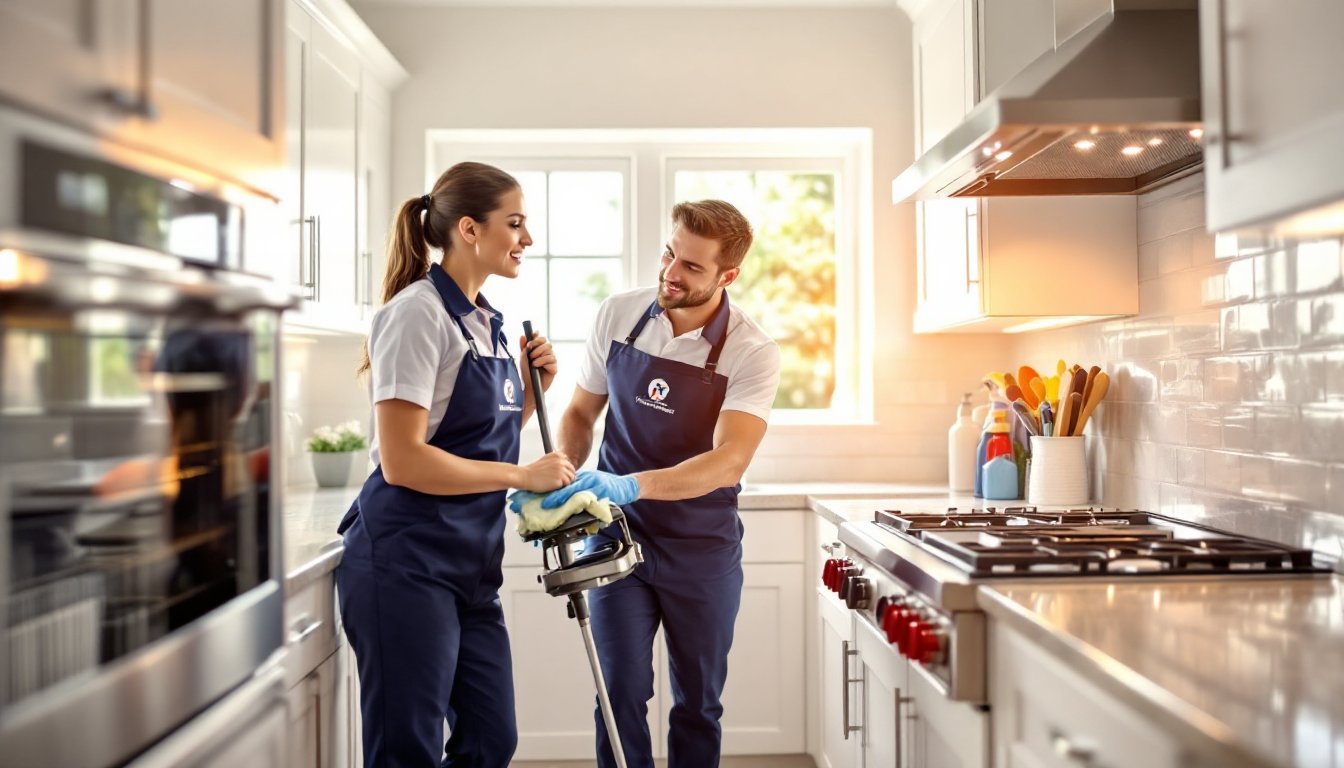
Professional cleaners typically target baseboards, ceiling fans, light fixtures, inside cabinets, behind appliances, and window tracks during a deep clean. They’ll strip and wax floors, clean inside the oven and refrigerator, scrub tile grout, and sanitize bathrooms down to the smallest crevices. The scope of a house deep cleaning service depends on your home’s size, layout, and specific needs, a 2,000-square-foot home might require 6–8 hours, while larger properties take longer.
A proper home deep cleaning services plan includes decluttering before the professionals arrive, moving items off surfaces, and communicating problem areas in advance. This prep work isn’t extra: it’s essential to maximize the cleaner’s time and ensure nothing gets damaged or overlooked.
When Should You Schedule a Deep Clean?
Timing matters when planning deep cleaning services. Most homeowners benefit from a deep clean once or twice yearly, typically after winter when dust and allergens build up indoors, or before major events like selling the home or hosting gatherings.
Target a deep clean if you’re moving into a new home, as layers of dust from previous occupants often hide in vents and cabinets. Post-renovation cleanup is another ideal time, construction debris settles everywhere, and professional deep clean house cleaning services will restore the space properly. Spring cleaning tradition makes sense too: after months of heating systems circulating dust, a thorough refresh pays off.
If you have allergies or respiratory concerns, quarterly deep cleaning can reduce dust mites and pet dander significantly. Pet owners should consider deep cleaning every 3–4 months to manage odors and hair accumulation. For allergy sufferers or those with immunocompromised household members, a professional-grade clean removes allergens better than DIY methods alone.
Benefits of Hiring Professional Deep Cleaners
Time savings rank first among reasons homeowners hire professionals. A deep clean on your own, reaching every corner, scrubbing grout, and dealing with stubborn stains, easily consumes 12–20 hours. Professionals complete the work in 6–8 hours using industrial-grade equipment and proven techniques.
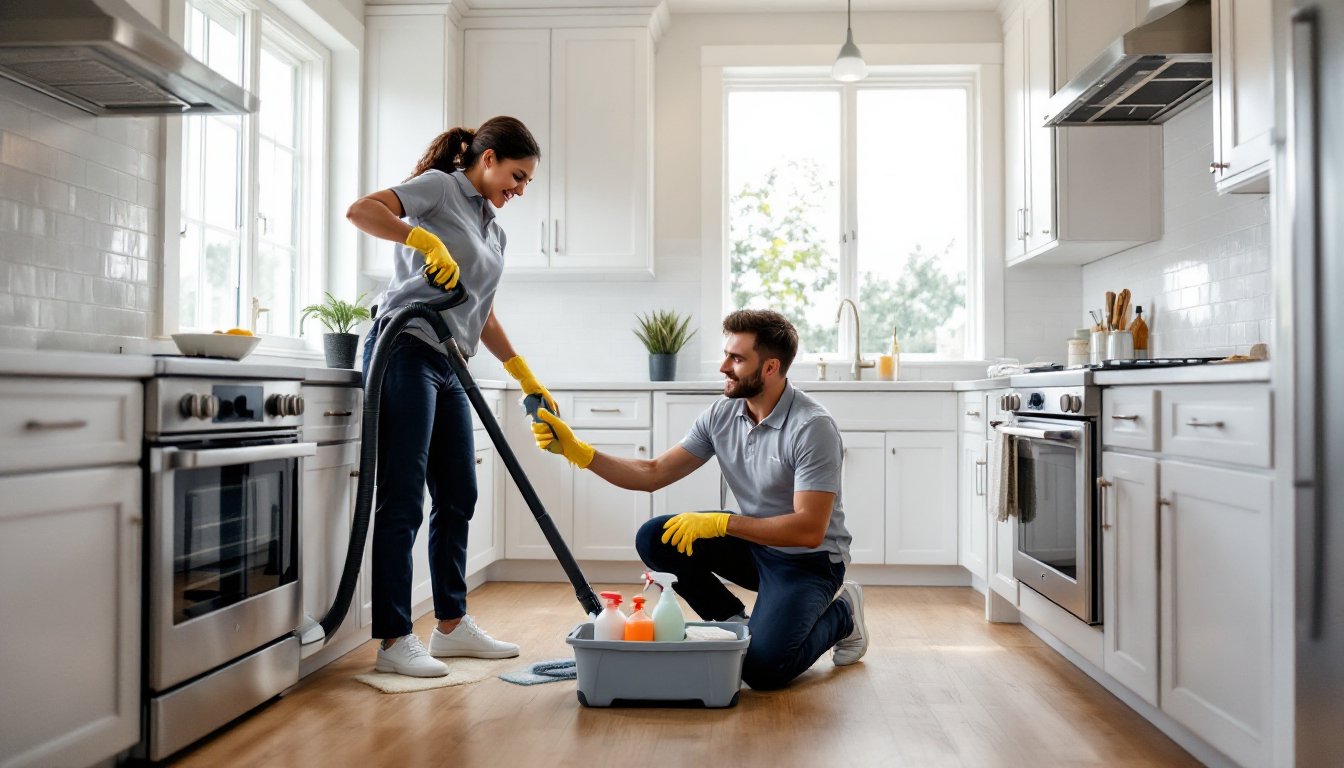
Professional cleaners bring specialized tools most households don’t own: HEPA-filter vacuum systems that trap allergens, steam cleaners for sanitizing without harsh chemicals, and pressure washers for exterior deep cleaning. They know the right solution for each surface, vinegar and water won’t cut through years of oven grime, but professionals have access to biodegradable degreasers that work without damaging finishes.
Mental relief shouldn’t be underestimated. Reclaiming your free time to spend with family, pursue hobbies, or simply rest beats spending a weekend on your hands and knees. Also, when selling a home, professional deep cleaning services improve appeal and can justify a higher asking price, potential buyers notice the difference between a regular clean and a deep, sparkling finish. Insurance claims sometimes require professional cleaning documentation too, adding credibility and thoroughness to the record.
DIY Deep Cleaning Strategies for Budget-Conscious Homeowners
If hiring professionals isn’t an option right now, tackling a DIY deep clean is manageable with the right approach and realistic expectations.
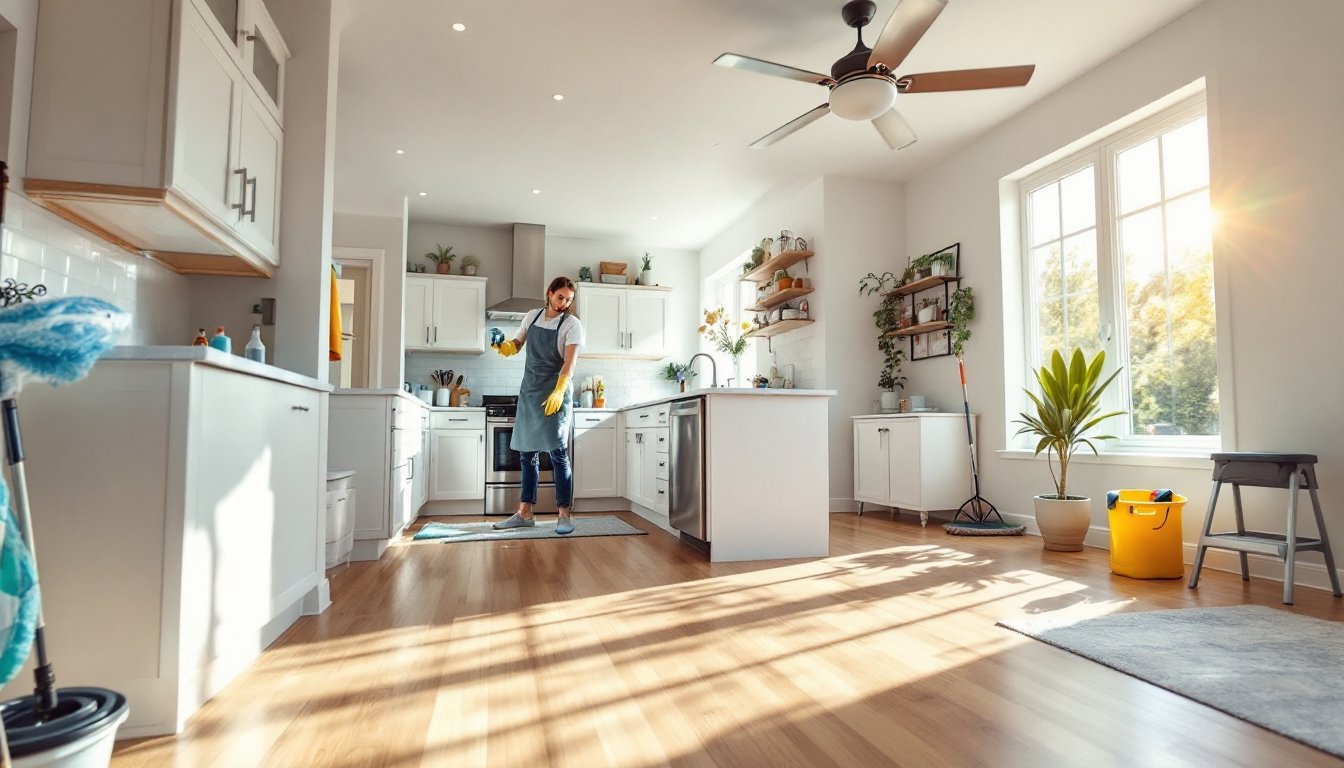
Start by creating a room-by-room plan rather than trying to deep clean your entire home in one day, you’ll burn out fast. A structured cleaning action plan keeps momentum steady. Tackle one room completely before moving to the next. Set a realistic timeline: a 1,500-square-foot home takes 15–20 hours spread across several weekends, not one Saturday.
Invest in essential tools: a good vacuum with attachments (aim for HEPA filtration if you have allergies), microfiber cloths that trap dust better than cotton, an old toothbrush for grout lines, a squeegee for windows, and basic degreasers. Vinegar, baking soda, and dish soap solve many cleaning jobs affordably, they work on floors, bathrooms, and kitchens without toxic fumes.
Focus on high-impact areas first: baseboards and ceiling fans (dust falls onto everything below), refrigerator and oven interiors, shower grout and tile, and behind major appliances. These problem spots generate immediate, visible results and feel rewarding. Save organizational tasks and decluttering for last: moving lighter, decorative items takes less energy when you’re already tired.
Key Areas Professionals Target During Deep Cleaning
Understanding what professionals prioritize helps you decide which services are worth outsourcing versus tackling yourself.
Kitchen: Inside cabinets, behind and under appliances (where grease and crumbs settle), oven interior, refrigerator coils, and under sink spaces all hide debris. Grout between tile backsplashes yellows and darkens over time, professional steam cleaning restores brightness without bleach damage.
Bathrooms: Exhaust vents clogged with dust reduce ventilation and moisture control. Tile grout harbors mold and mildew that simple scrubbing misses. Underneath and behind the toilet bases accumulate water damage and bacteria. Professional bathroom deep cleaning includes descaling showerheads, cleaning inside cabinets, and sanitizing rarely-touched surfaces.
Bedrooms & Living Areas: Baseboards, ceiling corners, door frames, and window sills collect dust layers. Professional services in locations nationwide emphasize these neglected areas. Ceiling fans, light fixtures, and return air vents get thorough attention.
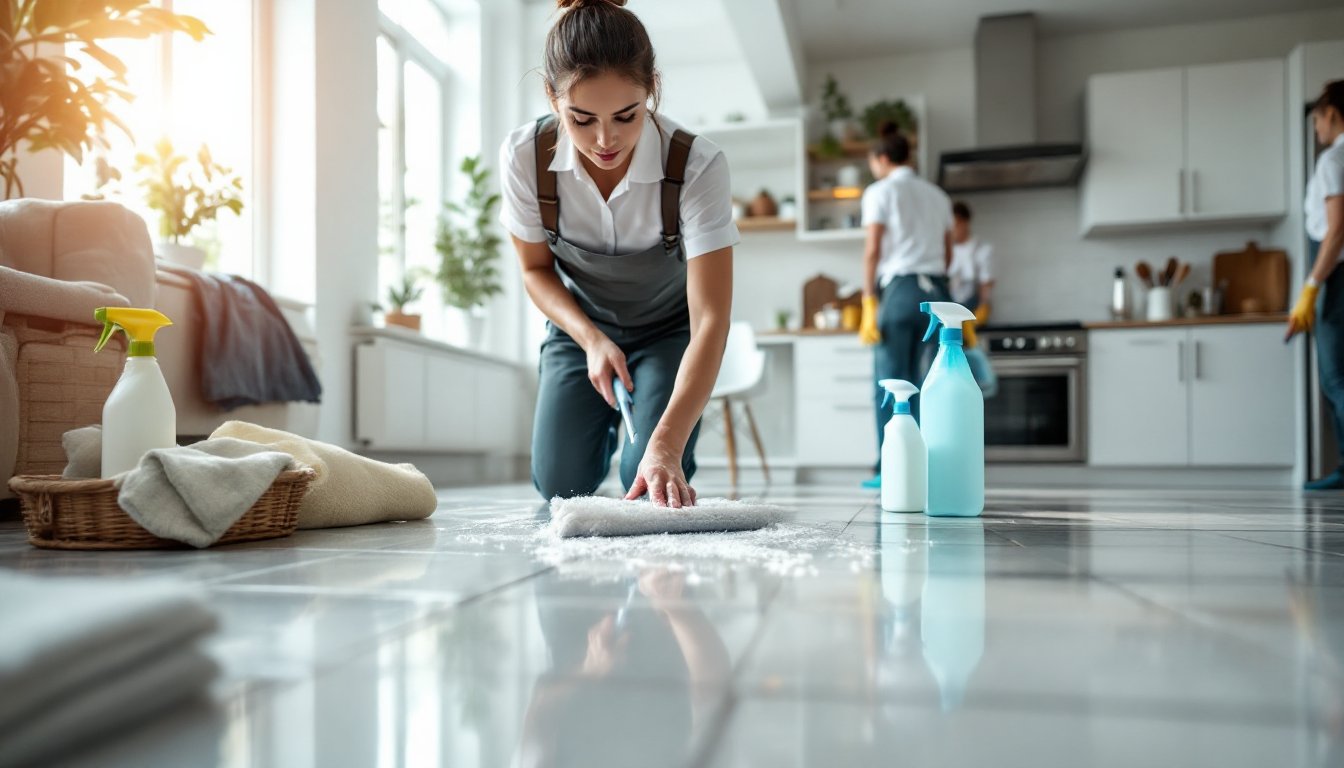
Floors & Carpets: Professional deep cleaning strips wax from hard floors, steam cleans carpet fibers, and removes ground-in dirt. High-traffic hallways and entryways benefit most. For hard floors, professionals use appropriate strippers and sealers based on material, tile, laminate, and wood all require different approaches.
How to Choose the Right Deep Cleaning Service
Selecting a reliable deep cleaning service requires asking the right questions and checking credentials.
Request detailed quotes from at least three providers, estimates should specify which rooms and areas are included, square footage, and whether products are included in the price. Avoid companies that won’t provide written estimates or quote over the phone without visiting your home. Ask if they’re insured and bonded: legitimate services carry liability insurance protecting your home if damage occurs.
Check references and online reviews, but read between the lines. One bad review among dozens isn’t unusual, but patterns of complaints about punctuality, thoroughness, or communication matter. Ask potential cleaners about their approach to allergen-sensitive households or pet homes, some use eco-friendly products exclusively, while others use stronger chemical solutions. Your preference matters here.
Clarity on costs prevents surprises. Does the price include supplies, or do you provide them? Are rush jobs (last-minute bookings) charged differently? What’s the cancellation policy? Finding reliable local services means comparing multiple options and trusting your gut about communication and professionalism.
Consider trial runs with a trial session before committing to full-home service. Many companies offer a single-room or two-room deep clean so you can evaluate their work quality and attention to detail at lower cost and risk.
Conclusion
Deep cleaning services, whether professional or DIY, restore homes that regular maintenance alone can’t keep up with. Professional services save time, reach hidden problem areas, and deliver results competitive with any homeowner effort. For budget-conscious families, a strategic DIY approach works, provided you commit realistic time and invest in basic equipment. Whether you hire professionals or tackle it yourself, scheduling a deep clean annually protects your home’s health, improves air quality, and maintains long-term value. Start with one room or one professional service to see the difference, then build from there.