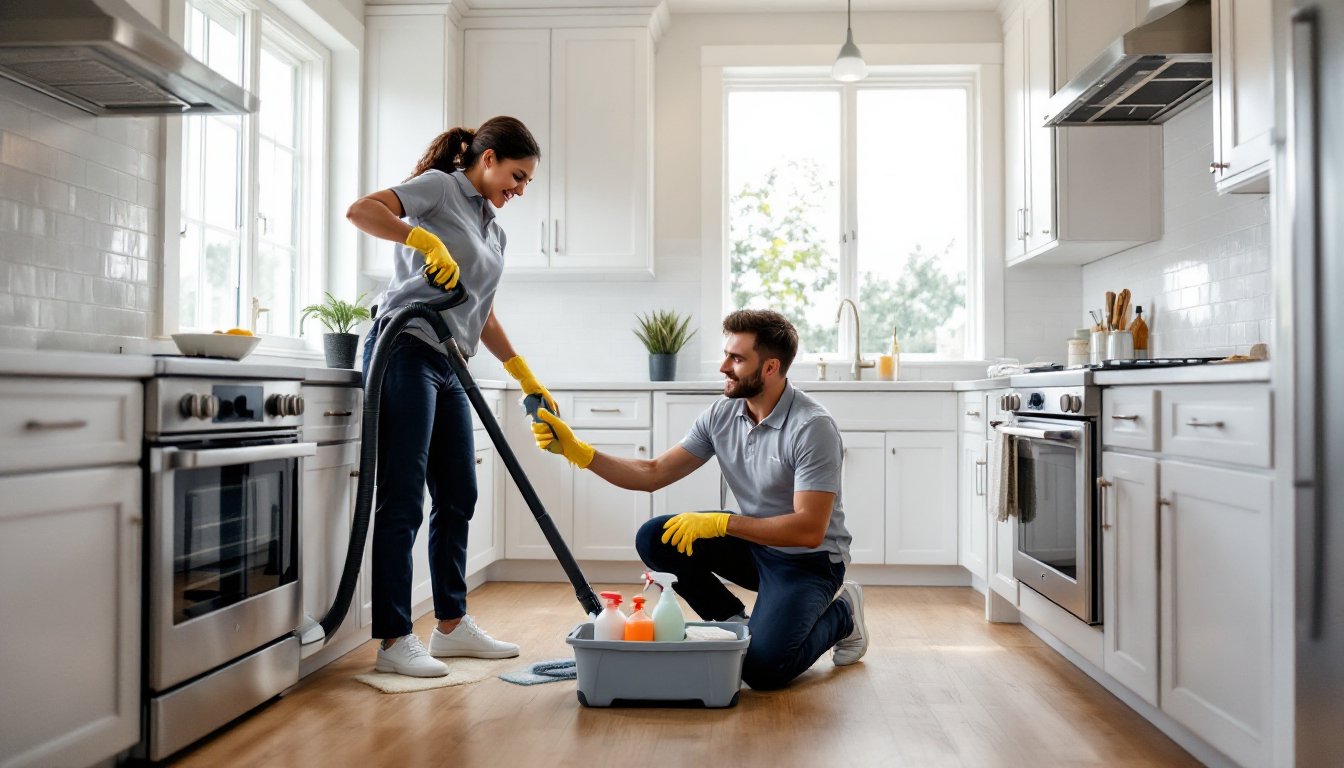
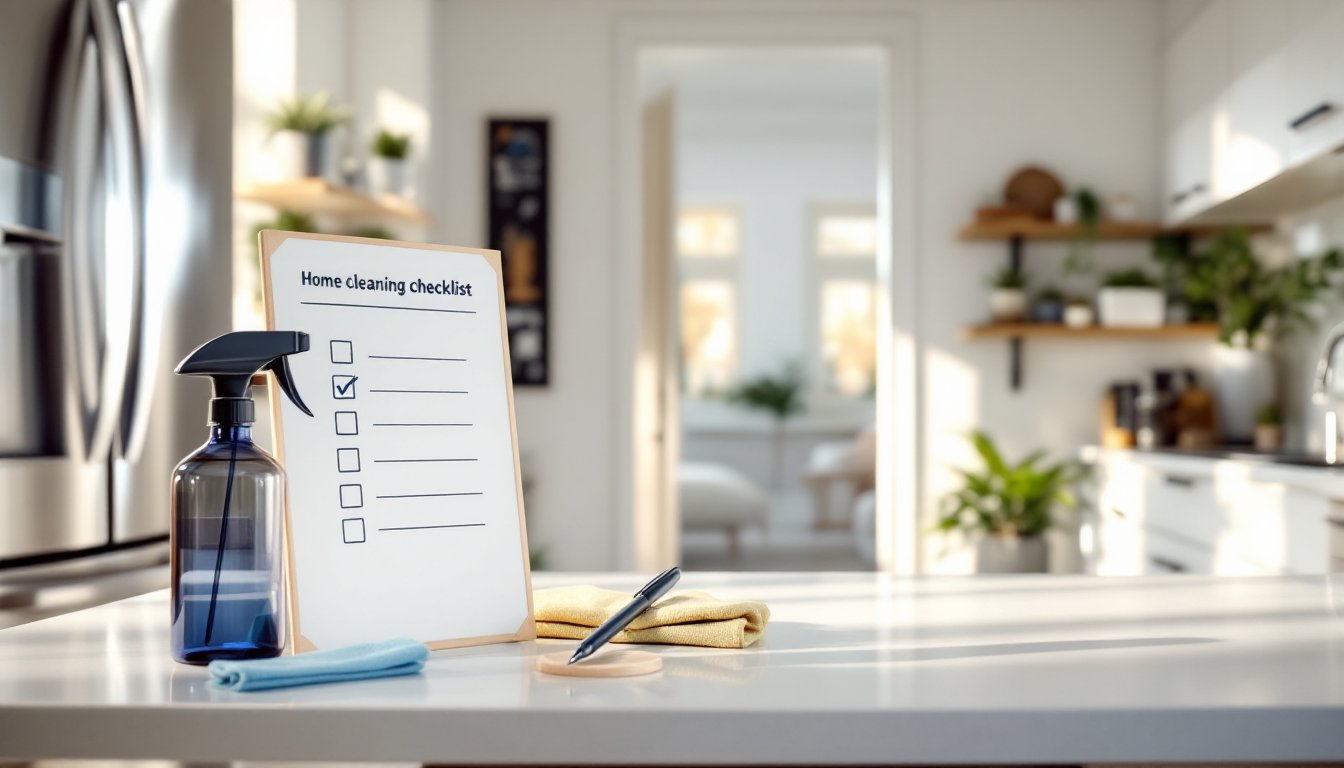
A home cleaning list isn’t just a piece of paper gathering dust on the fridge, it’s the backbone of staying on top of household maintenance without burning out. Whether someone’s tackling a deep clean or maintaining weekly standards, having a structured home cleaning checklist keeps tasks organized and nothing gets overlooked. The key to a consistently clean home is removing the mental load of remembering what needs doing, which is why a well-designed household cleaning list works better than improvising room by room. This guide breaks down exactly what needs attention where, making the process straightforward and manageable.
Table of Contents
ToggleKey Takeaways
- A structured home cleaning list removes the mental load of remembering tasks and prevents high-traffic areas from getting attention while baseboards and corners fall behind.
- Breaking a home cleaning checklist into daily, weekly, and monthly tasks by room—starting with kitchens and bathrooms—keeps momentum going and prevents overwhelm.
- Daily wiping of countertops, dishes, and stovetops in the kitchen prevents grease buildup and saves hours of emergency scrubbing later.
- Running exhaust fans during and 15 minutes after showers reduces mold risk and bathroom maintenance problems caused by moisture accumulation.
- Spreading household cleaning tasks throughout the week in manageable chunks (rather than one overwhelming weekend) builds consistency and prevents burnout.
- Consistency with a realistic home cleaning routine matters more than perfection—posting your checklist visibly and adjusting it to fit your household’s lifestyle ensures long-term success.
Why A Structured Cleaning List Matters
Keeping track of household tasks mentally is exhausting. A home cleaning list, whether digital or printed, takes that cognitive burden off and creates accountability. When cleaning tasks are scattered across a person’s mind, high-traffic areas get attention while baseboards, ceiling fans, and corners fall behind. A structured approach ensures nothing gets lost between deep cleans.
Research shows that house cleaning services in Staten Island and professional cleaners rely on detailed checklists for consistency, the same method works at home. Breaking cleaning into room-by-room sections prevents redundancy and keeps momentum going. A check-off list for cleaning house also builds a psychological win: marking off tasks triggers completion satisfaction, which motivates finishing the job rather than leaving it half-done.
Kitchen Cleaning Essentials
The kitchen gets heavy use and accumulates grease, crumbs, and spills quickly. A solid kitchen cleaning routine tackles both visible messes and hidden gunk.
Daily tasks:
• Wipe countertops after cooking
• Hand-wash or load dishes
• Wipe down the stovetop
• Sweep floor for crumbs
Weekly kitchen deep clean:
• Clean inside the microwave (steam a bowl of water with lemon for 5 minutes to loosen gunk)
• Degrease stovetop burner grates
• Wipe cabinet fronts and handles
• Mop floor, paying attention to corners where grease splatter settles
• Clean refrigerator shelves and dispose of expired items
Monthly additions:
• Degrease the inside of the oven (or use the self-clean cycle)
• Polish stainless steel appliances
• Clean inside the dishwasher (run a hot cycle with vinegar)
• Wipe down light fixtures and switches
Kitchens benefit most from preventing buildup rather than emergency scrubbing. Daily wiping saves hours of effort later. Many homeowners find that keeping supplies like microfiber cloths, degreaser, and baking soda within arm’s reach makes these tasks faster. If hiring help, a house deep cleaning service typically starts with the kitchen since it has the highest ROI for a noticeable difference.
Bathroom Deep Clean Checklist
Bathrooms require consistent attention to prevent mold, soap scum, and hard-water stains. Moisture creates the conditions where problems accelerate, so regular maintenance is essential.
Weekly bathroom tasks:
• Clean toilet bowl (let cleaner sit for 10 minutes before scrubbing)
• Scrub shower walls and tub (focus on grout lines where mold thrives)
• Wipe mirror and chrome fixtures to prevent water spots
• Mop floor and baseboards
• Empty trash
Bi-weekly deep tasks:
• Descale showerhead (soak in vinegar overnight if hard water is an issue)
• Clean exhaust fan (dust collects here and reduces airflow)
• Scrub grout with a stiff brush and bleach solution (safety note: never mix bleach with ammonia, fumes are toxic)
• Clean inside toilet tank (drop a tank cleaner tablet for ongoing maintenance)
Monthly additions:
• Clean or replace shower curtain liner
• Wipe down light fixtures and exhaust vent
• Sanitize toothbrush holder, soap dishes, and organizers
Moisture control prevents many bathroom problems. Running the exhaust fan during and 15 minutes after showers reduces mold risk significantly. For households with hard water, using vinegar or a descaling spray on chrome weekly prevents mineral buildup.
Living Spaces and Bedrooms
Living rooms, bedrooms, and hallways are lower-traffic cleaning zones once the kitchen and bathrooms are handled. Still, they accumulate dust and require their own attention.
Weekly living space tasks:
• Vacuum or sweep all floors
• Dust surfaces (nightstands, dressers, shelves)
• Wipe light switches and doorknobs
• Straighten and organize clutter
• Fluff pillows and straighten bedding
Bi-weekly tasks:
• Wash bed linens
• Dust ceiling fans (use a pillowcase to catch falling dust)
• Vacuum under furniture
• Wipe baseboards in high-traffic areas
Monthly focus:
• Change bed sheets if not washing weekly
• Vacuum inside closets
• Dust picture frames and wall decorations
• Clean vents and returns on HVAC
Bedrooms benefit from a room-by-room cleaning plan that includes under-bed cleaning monthly to prevent dust accumulation. Reducing clutter makes cleaning faster and keeps spaces feeling fresh. Many find that doing laundry on a set day (like Sunday) keeps bedding fresh without adding mental overhead.
Floors, Windows, and Overlooked Areas
Floors and windows are the areas homeowners often neglect until they’re visibly dirty. Building them into a routine keeps them manageable.
Floor maintenance:
• Vacuum carpeted areas 1-2 times weekly (more if there are pets or kids)
• Sweep hard floors daily or every other day to prevent dust buildup
• Mop hard floors weekly with appropriate cleaner (hardwood, tile, and vinyl each need different products)
• Address spills immediately to prevent staining
Window and glass tasks:
• Wipe window sills monthly to remove dust and debris
• Clean windows seasonally (spring and fall) or quarterly for high-traffic homes
• Use a microfiber cloth with water and vinegar solution for streak-free results
• Don’t forget glass doors, mirrors, and light fixtures
Often-missed areas:
• Light switches and doorknobs (high-touch surfaces that harbor bacteria)
• Behind and under appliances (where dust and crumbs hide)
• Baseboards (dust settles here constantly)
• Air vents and returns (clogged vents reduce heating/cooling efficiency)
• Ceiling corners for cobwebs
Using the right cleaning tools makes floor care faster, a microfiber mop picks up dust better than traditional string mops, and a cordless vacuum with a handheld attachment handles stairs and corners efficiently. Building these smaller tasks into weekly routines prevents big accumulation problems.
Creating Your Weekly and Monthly Routine
The best home cleaning checklist is one someone will actually follow. This means building a realistic routine that fits a household’s lifestyle, not a Pinterest-perfect fantasy.
Sample weekly schedule:
Monday: Kitchen deep clean (degreasing, fridge, dishwasher)
Tuesday: Bathrooms (toilets, tubs, mirrors, floors)
Wednesday: Bedrooms (dust, vacuum, change linens)
Thursday: Living areas (vacuum, dust, straighten)
Friday: Floors and windows (mop, wipe mirrors, tackle overlooked spots)
Daily: Dishes, counters, quick tidying
This breaks a large job into manageable chunks rather than one overwhelming weekend. For households with kids or pets, spreading tasks throughout the week prevents any single day from feeling like a marathon.
Monthly deep-clean tasks to rotate in:
• Deep clean oven and stovetop
• Descale showerheads and faucets
• Clean inside appliances
• Dust ceiling fans and air vents
• Wash windows thoroughly
• Vacuum inside closets and under beds
A household cleaning list becomes a habit faster when it’s posted visibly (fridge, bathroom mirror, phone home screen). Digital versions on shared family apps work well for households where multiple people pitch in. According to home cleaning guides, consistency matters more than perfection, a slightly dusty room maintained weekly stays cleaner than a room deep-cleaned once a month.
Adjust frequencies based on household size, pets, and activities. A home with kids and dogs needs more frequent vacuuming: a single person might deep clean less often. The point is having a plan that gets followed, not a checklist that creates guilt.
Conclusion
A structured home cleaning list removes guesswork and builds consistency. By breaking tasks into daily, weekly, and monthly categories across different rooms, homeowners avoid overwhelm while ensuring nothing slips through the cracks. Starting small, maybe with just a basic household cleaning list, and expanding as habits stick takes pressure off perfection. The goal isn’t a magazine-ready home: it’s a place that feels clean, organized, and easy to maintain. Print a checklist, post it somewhere visible, and adjust it until it fits. That’s the real formula for long-term success.