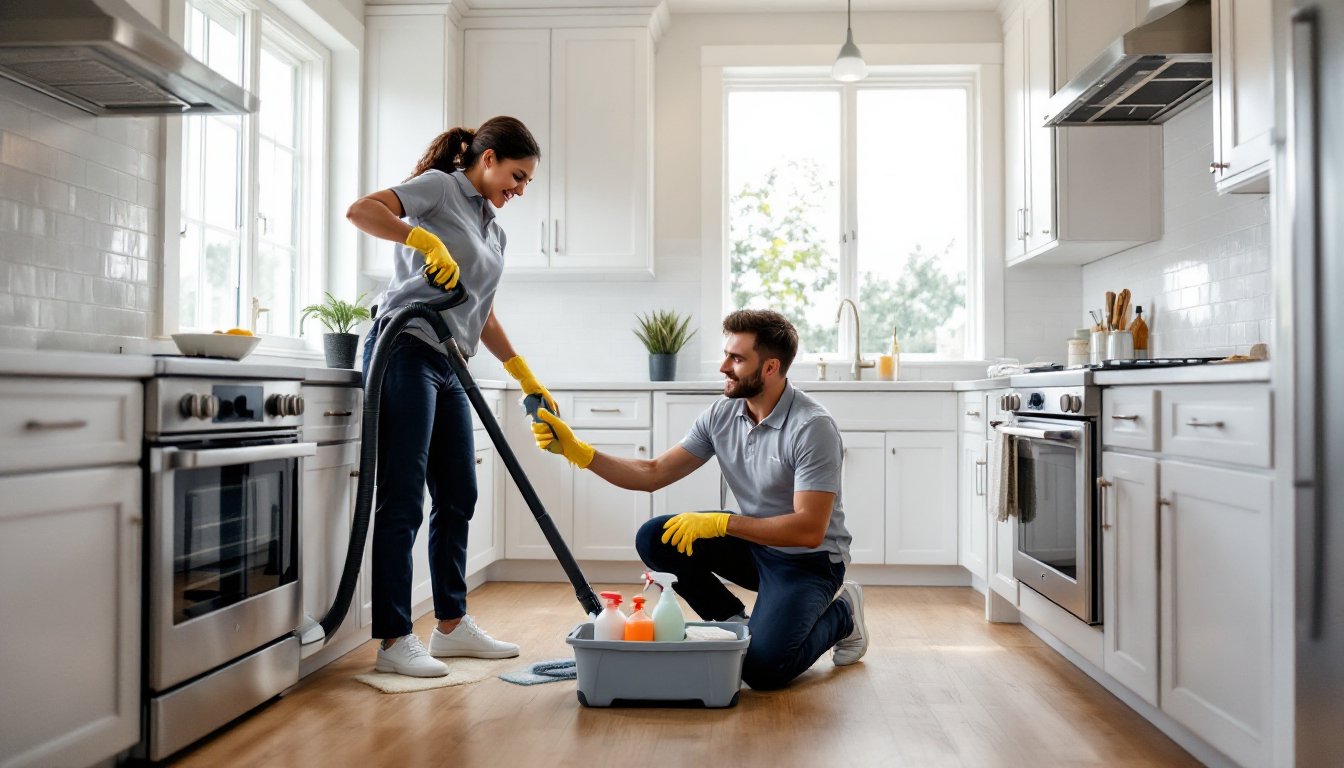

A house cleaning schedule isn’t about being obsessive, it’s about making cleaning manageable so your home stays livable without burning you out. Most homeowners don’t struggle with knowing what to clean: they struggle with fitting it into their lives and actually sticking to it. The right house cleaning schedule breaks overwhelming tasks into bite-sized daily, weekly, and monthly chunks that fit around work, family, and everything else. This guide walks you through building a realistic system tailored to your home’s size, your family’s habits, and your cleaning tolerance. You’ll learn what can genuinely be done in 15 minutes daily, what belongs in your weekly routine, and when to tackle the deeper jobs that only matter seasonally.
Table of Contents
ToggleKey Takeaways
- A house cleaning schedule breaks overwhelming tasks into manageable daily (15 minutes), weekly (1–2 hours), and monthly chunks that prevent burnout and keep your home livable.
- Daily cleaning tasks like loading the dishwasher, quick sweeps, and tidying take just 15 minutes but prevent clutter buildup and keep surfaces sanitary when guests arrive unannounced.
- Weekly tasks such as vacuuming, mopping, bathroom cleaning, and sheet changes should be spread across the week—one room per day—rather than tackled all at once to maintain consistent cleanliness.
- Monthly and seasonal deep cleaning targets areas like inside cabinets, ceiling fans, windows, and HVAC filters, with spring and fall being ideal times for full home cleaning checklists.
- Customize your house cleaning schedule based on your household size, pets, allergies, and personal tolerance for clutter rather than following a one-size-fits-all plan.
- Write down your schedule, assign tasks to family members, and review quarterly to adjust based on what’s working—consistency beats intensity in maintaining a clean home.
Daily Cleaning Tasks You Can Complete In 15 Minutes
The secret to a maintainable house <a href="https://homelinkzimbabwe.com/dirt-busters-house-cleaning-a-homeowners-guide-to-fast-effective-results-in-2026/”>cleaning schedule is doing a little every day instead of everything on Saturday. Fifteen minutes of daily effort prevents messes from stacking up and keeps your home functional.
The core daily routine:
- Load or run the dishwasher: wipe counters and stovetop
- Do a quick sweep of high-traffic areas (kitchen and entryway)
- Tidy living spaces, return items to where they belong
- Do a load of laundry (wash, dry, or fold)
- Wipe down bathroom sinks and mirrors
This isn’t deep cleaning. You’re preventing clutter and keeping surfaces sanitary. A microfiber cloth and basic spray (glass cleaner, all-purpose) handle most of it. If you have kids or pets, add a 2-minute toy round-up to the living room. The goal is that when guests drop by unannounced, you’re not panicking. When you sit down at the dinner table, there’s actually space to eat.
Pick a consistent time, mornings before work, or right after dinner, and treat it like brushing your teeth. Consistency matters more than perfection. Some people build this into their morning routine as a “tidy before leaving”: others do it in the evening to start fresh tomorrow. Find what sticks for your household.
Weekly Cleaning Tasks For Deeper Cleaning
Once daily tidiness is locked in, weekly tasks handle the stuff that builds up over seven days. These are the jobs that keep your home actually clean, not just organized. Budget 1–2 hours for this, depending on home size. Many people tackle a room per day (Monday: bathroom, Tuesday: kitchen, etc.) rather than doing everything at once.
Typical weekly tasks:
- Vacuum or sweep all floors
- Mop hard floors
- Clean bathrooms (toilet, tub, shower, floors)
- Dust surfaces, shelves, and baseboards
- Clean mirrors and windows
- Wipe down appliances inside and out (microwave, fridge exterior, oven if needed)
- Change bed sheets
- Clean out the refrigerator of old food
- Take out trash and replace liners
If you’re hiring a house deep cleaning service, the weekly tasks often become their responsibility. For DIY cleaning, spread these across the week. Monday might be bathrooms and laundry, Wednesday floors, Friday kitchen deep-dive. This prevents one overwhelming day and keeps the house consistently presentable.
The right tools matter here. A cordless stick vacuum saves time compared to dragging out a upright, and a microfiber mop picks up more dust than a traditional string mop. Don’t cheap out on these, they’ll last years and actually make the work faster.
Monthly And Seasonal Deep Cleaning Focus Areas
Monthly deep cleaning targets what doesn’t need attention every week but will degrade if ignored. Think of this as the maintenance that keeps your home from getting gross. Add these to one weekend day each month, or spread across four weeks as a bonus weekly task.
Monthly deep-cleaning checklist:
- Wipe down inside cabinets and drawers
- Clean inside the oven and microwave
- Dust ceiling fans and light fixtures
- Clean under the sink and inside cabinets
- Wash windows thoroughly (inside and out)
- Clean baseboards and door frames
- Deep-clean grout between tiles
- Wipe down walls for fingerprints or marks
- Clean inside the washing machine and dryer
- Organize closets and pantry
Seasonal tasks (spring and fall, at minimum):
Spring brings pollen, so focus on air vents, HVAC filters, and screens. A professional cleaning list for house often includes spring checklist items like washing windows outside, cleaning gutters (if safe to do), and wiping down exterior surfaces. Fall means preparing for winter, check weatherstripping, clean HVAC vents again, and tackle window wells before leaves pile up.
Experts recommend a full home cleaning checklist twice yearly. Most homeowners find spring and fall ideal since weather permits outdoor tasks. This is also when you’d clean inside appliances deeply or tackle the garage, jobs that need uninterrupted time.
Building Your Custom Cleaning Schedule
Every home is different. A single person in a studio apartment needs a vastly different schedule than a family of five in a four-bedroom house. The framework above is a starting point: now customize it.
Questions to ask yourself:
- How many people live here, and are any very young or elderly?
- Do you have pets? (Expect 50% more vacuuming.)
- How much entertaining do you do?
- What’s your tolerance for clutter?
- Do you have allergies or health concerns that require extra attention?
- What tasks do you hate most? (Can you batch them, delegate them, or hire them out?)
A household with a dog and two young kids needs far more floor vacuuming and laundry than a childless couple. Someone with a severe dust allergy might skip weekly baseboards but do weekly dusting. Build your schedule around what actually matters to you.
Make Your Schedule Realistic And Maintainable
The biggest mistake homeowners make is designing a schedule that works for a fantasy version of themselves. You don’t have one free Saturday per month. You work weekends sometimes. Kids get sick. Life gets messy.
Start conservative. Pick daily tasks you can actually do on your worst day. Add weekly tasks that fit your calendar without resentment. If you hate mopping, mop every other week. If you have a guest room nobody uses, clean it monthly instead of weekly. A practical room-by-room action plan helps you stay focused and not waste effort on spaces that don’t matter.
Write your schedule down, on your phone calendar, a printed sheet on the fridge, or a digital planner. Assign family members to specific tasks if possible. Kids as young as 8–10 can handle their own bathroom, vacuum, or loading the dishwasher. Teenagers can own kitchen or laundry duties. This isn’t about perfection: it’s about distributed responsibility.
Review and adjust quarterly. If you’re constantly behind on Thursdays, that day’s too heavy. If monthly tasks keep sliding, move one to weekly and something weekly to monthly. A schedule that works is one you’ll actually follow.
Conclusion
A house cleaning schedule becomes a game-changer the moment you stop viewing it as rigid rules and start seeing it as permission to clean less overall. Daily 15-minute habits, weekly deep tasks, and monthly focus areas create a system where your home stays genuinely clean, not spotless, but livable and hygienic. The best cleaning tools and a practical approach help you maintain that schedule without burnout. Tailor the framework to your life, write it down, and adjust as needed. Consistency beats intensity every time.