Most homeowners don’t think about insurance until something goes wrong. A slip on a freshly mopped floor, a chemical reaction between cleaning products, or water damage from an overzealous pressure washer, these accidents happen more often than you’d think. House cleaning insurance is becoming essential for anyone tackling DIY cleaning projects or hiring professionals to handle them. Whether you’re deep-cleaning before selling your home, refreshing your kitchen, or maintaining your floors, understanding your coverage gaps could save you thousands in unexpected repairs and liability claims.
Table of Contents
ToggleKey Takeaways
- House cleaning insurance provides specialized coverage for accidents and damage during cleaning activities, filling gaps that standard homeowners policies often exclude.
- DIY cleaning carries hidden risks including pressure washer damage, toxic chemical reactions, and water over-saturation that can lead to costly mold remediation ($5,000–$20,000).
- Always request a certificate of insurance from professional cleaners and verify liability coverage limits ($300,000–$1,000,000) before hiring to protect your home.
- A general liability add-on ($15–$40 per year) can efficiently cover accidental damage during cleaning projects and maintenance work.
- Document your home’s condition with photos before and after cleaning projects, and consider equipment rental insurance ($5–$15) when using specialized cleaning machines.
What Is House Cleaning Insurance?
House cleaning insurance is a specialized coverage that protects homeowners and cleaning professionals from financial loss caused by accidents, damage, or injury during cleaning activities. It’s distinct from your standard homeowners policy, which typically excludes damage caused by specific cleaning methods or products.
This insurance comes in two flavors: coverage for when you hire professional cleaning services, and coverage for your own DIY cleaning work. Professional cleaners carry liability and workers’ compensation insurance to protect both themselves and your home if something breaks during their visit. When you’re doing the work yourself, your homeowners policy might have blind spots.
For example, if a cleaner damages your hardwood floors while steam cleaning, that’s usually covered under a cleaning service’s liability policy. But if you rent an industrial-grade carpet cleaner and flood your basement, your standard homeowners policy may deny the claim because you used equipment improperly or didn’t follow manufacturer instructions.
When DIY Cleaning Puts Your Home at Risk
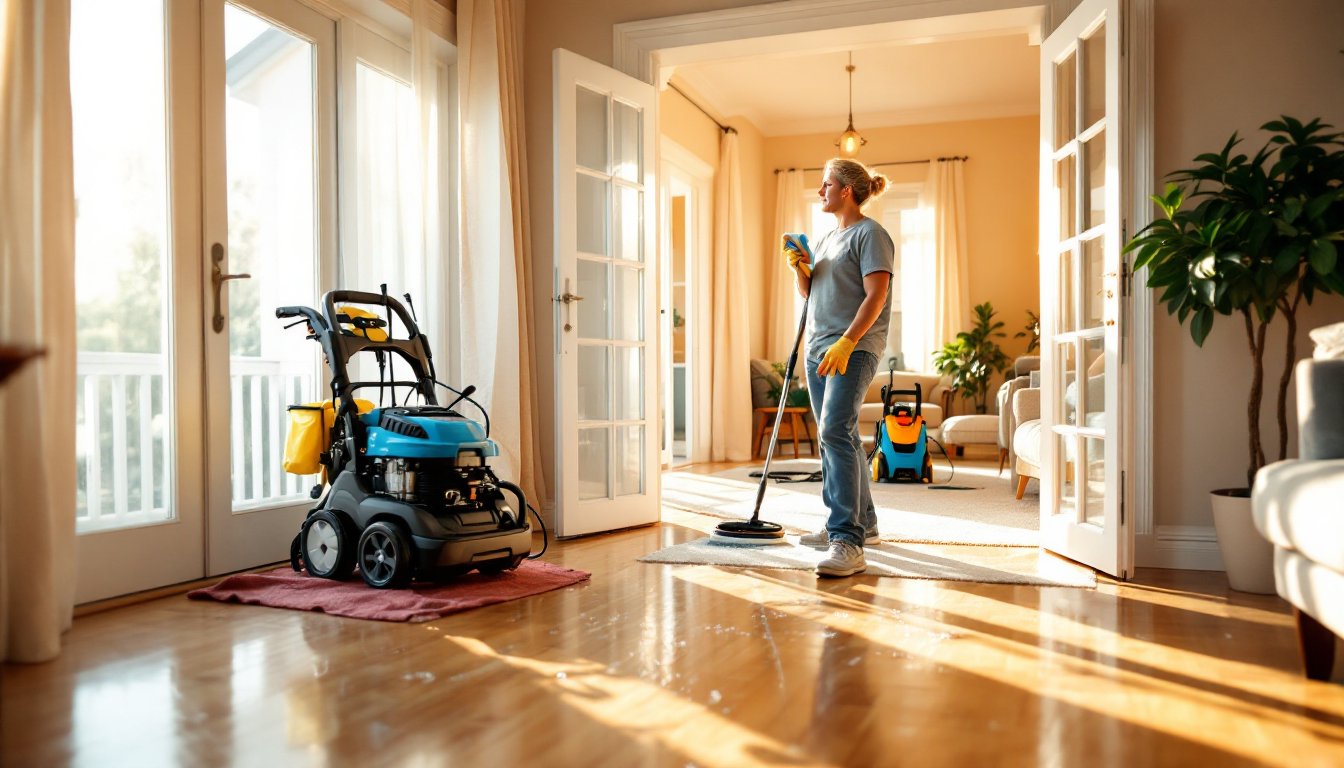
DIY cleaning projects carry hidden risks that most homeowners underestimate. Pressure washers can strip siding or crack foundation concrete if you don’t know the correct PSI (pounds per square inch) settings. Chemical cleaners mixed incorrectly produce toxic fumes or etch surfaces permanently. Water and moisture are especially dangerous, oversaturating carpets during cleaning can lead to mold growth that costs thousands to remediate.
Common Cleaning Accidents and Damage
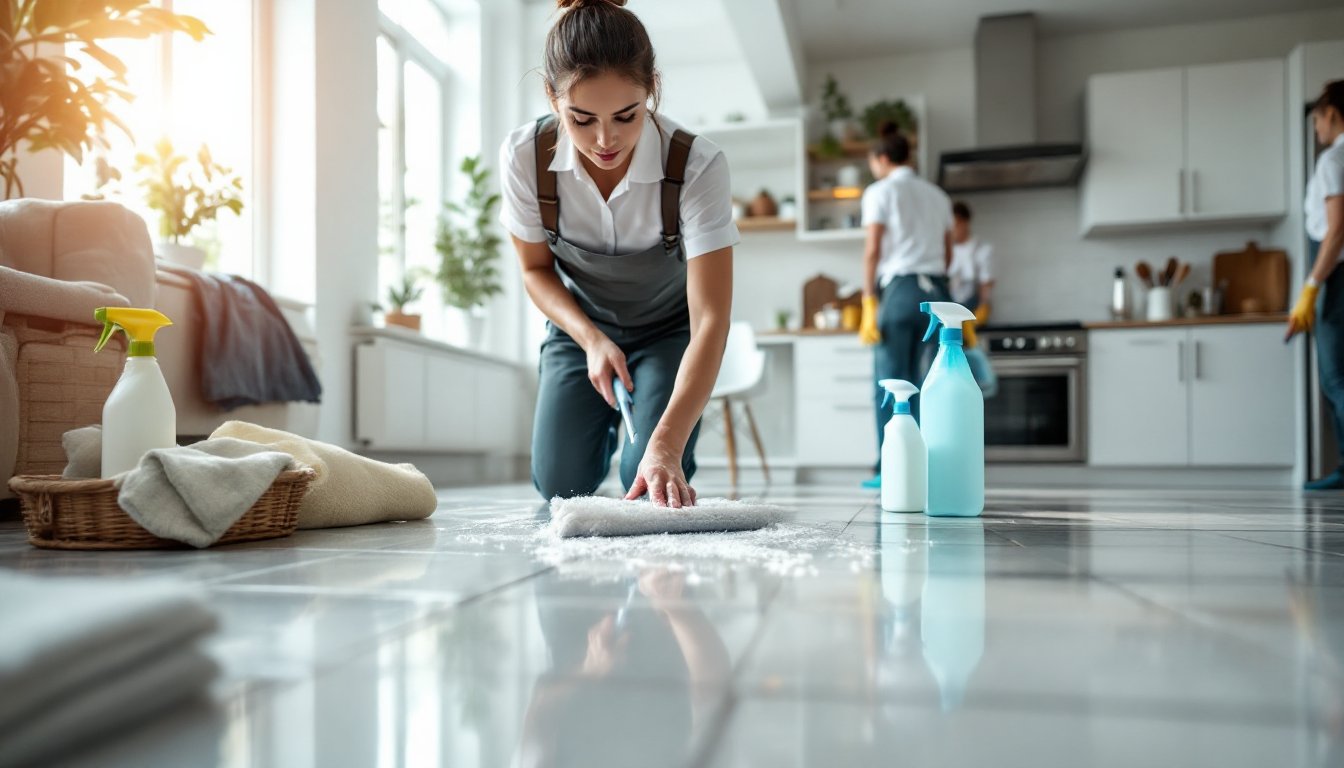
Slips and falls are the most common DIY cleaning accident. A wet floor, a puddle from a wet-vac, or residue from floor stripper creates liability exposure if someone else is in your home. If a family member or guest gets injured and decides to pursue a claim, your homeowners policy might not cover injury caused by negligent cleaning on your part.
Chemical damage happens when homeowners mix incompatible products. Bleach plus ammonia creates chloramine gas, which is dangerous and potentially fatal in enclosed spaces. Acidic cleaners on marble or limestone etch the stone permanently. Alkaline cleaners on certain tile seals can cause discoloration and degradation. Pressure washer damage is another frequent culprit, pointing a 3000+ PSI machine at siding, deck stain, or composite materials can cause irreversible damage.
Water damage from over-saturation is insidious because it takes time to show up. You deep-clean your basement, saturate the carpet, and three weeks later you smell mold. Mold remediation can cost $5,000 to $20,000 depending on extent and location. Most standard homeowners policies exclude mold damage if it results from lack of maintenance or negligent water exposure, like over-aggressive cleaning.
Coverage Options for House Cleaning Services
When you hire professional cleaning services, you’re relying on their insurance. Before booking, always ask whether the cleaner carries liability insurance and workers’ compensation insurance. Liability coverage typically runs $300,000 to $1,000,000 per incident. Workers’ compensation protects their employees if they’re injured on your property.
Bound cleaners, those employed by larger franchises or companies, are almost always insured. Independent contractors may or may not carry coverage. If an independent cleaner damages your hardwood floor or carpet and carries no insurance, you’ll likely have no recourse beyond small claims court.
Your homeowners policy usually covers liability for injury to service providers on your property (if they sue you), but it typically won’t cover damage to your home caused by their work unless you can prove gross negligence. That’s why asking for a certificate of insurance is smart. A good cleaning service will provide one without hesitation.
Platforms like Angi let you review cleaner credentials, insurance status, and past customer claims before hiring. Some homeowners insurance policies offer small add-ons for contractors’ equipment coverage or hire-a-pro liability enhancements, worth checking with your agent.
How to Choose the Right Coverage for Your Home
Start by reviewing your current homeowners policy and asking your agent three specific questions: What damage is excluded if I cause it during cleaning? Am I covered if someone is injured on my property during a DIY project? What’s my liability limit?
For homeowners regularly tackling deep-cleaning, seasonal maintenance, or home projects, a general liability add-on (often $15–$40 per year) can fill gaps. Some insurers offer “maintenance and repair” riders that cover accidental damage during home upkeep.
If you’re hiring cleaners, get everything in writing. Request the cleaner’s certificate of insurance and verify coverage limits are reasonable. The Spruce and similar resources offer comprehensive cleaning how-tos that include safety notes, following their guidance and best practices reduces accident risk significantly. When hiring for high-risk tasks like pressure washing or hard-floor restoration, opt for professionals rather than renting equipment yourself.
Consider the cost-benefit of equipment rental insurance when renting specialized cleaners. A pressure washer rental from a hardware store often comes with damage waiver options (typically $5–$15 per rental). That small fee protects you if you accidentally damage the equipment. Some cleaning equipment rental places require you to pay for repairs out-of-pocket if you damage their machine, so damage waiver is often worth it.
Document your home’s condition before and after cleaning projects. Take photos and keep receipts for any professional work. If a dispute arises about damage, documentation strengthens your claim. Homeowners who hire professionals often find that inquiring about liability insurance when making an initial inquiry helps identify trustworthy, insured providers versus fly-by-night operators.
Conclusion
House cleaning insurance isn’t a luxury, it’s practical risk management for your most valuable asset. Whether you’re hiring professionals or going the DIY route, knowing your coverage limits and gaps protects your wallet and your peace of mind. Ask your insurance agent about add-ons, vet any service providers for proper insurance, and when in doubt, hire a pro rather than risking expensive damage.