Let’s be honest: cleaning isn’t anyone’s idea of fun, but a clean house feels better to live in and protects your investment. Whether you’re dealing with daily dust, stubborn stains, or a full deep clean, knowing the right approach saves time and frustration. This guide walks homeowners through practical strategies, essential tools, and room-specific techniques to tackle dirt effectively without turning cleaning into an all-day marathon. You don’t need a professional crew, just the right knowledge and supplies.
Table of Contents
ToggleKey Takeaways
- Dirt busters house cleaning with the right basic tools—microfiber cloths, HEPA vacuum, and white vinegar—handles 90% of household messes without expensive specialty products.
- Consistent, preventative cleaning extends the lifespan of floors, appliances, and fixtures by preventing mold, dust buildup, and grime that damage surfaces and reduce home value.
- Work room-by-room from top to bottom using proven techniques like baking soda paste for stovetops and vinegar-water solutions for shower doors to clean efficiently without harsh chemicals.
- Daily 10-minute tidies and one designated 45-minute cleaning day prevent dirt accumulation and eliminate the need for exhausting all-day deep cleans.
- Address spills and stains immediately rather than letting them harden, and replace HVAC filters every 1–3 months to maintain air quality and prevent costly repairs.
Why Professional-Level Cleaning Matters for Your Home
A clean home isn’t just about appearances. Regular, thorough cleaning prevents dirt and grime buildup that can damage surfaces, harbor allergens, and create an unhealthy living environment. Dust accumulates on HVAC filters and vents, reducing air quality and forcing your system to work harder. Mold and mildew thrive in damp bathrooms and kitchens, eating away at grout and caulk if left unchecked. Sticky stovetop residue hardens over time, making it exponentially harder to remove later.
When homeowners adopt a consistent cleaning strategy, rather than sporadic deep cleans, they extend the lifespan of flooring, appliances, and fixtures. Regular maintenance costs far less than replacing a cabinet damaged by moisture or grout ruined by mold. Think of professional-level cleaning as preventative maintenance for your home’s interior. It keeps everything functioning properly and looking fresh without requiring elbow grease every weekend.
Essential Tools and Supplies Every Homeowner Should Stock
Must-Have Equipment for Tackling Any Mess
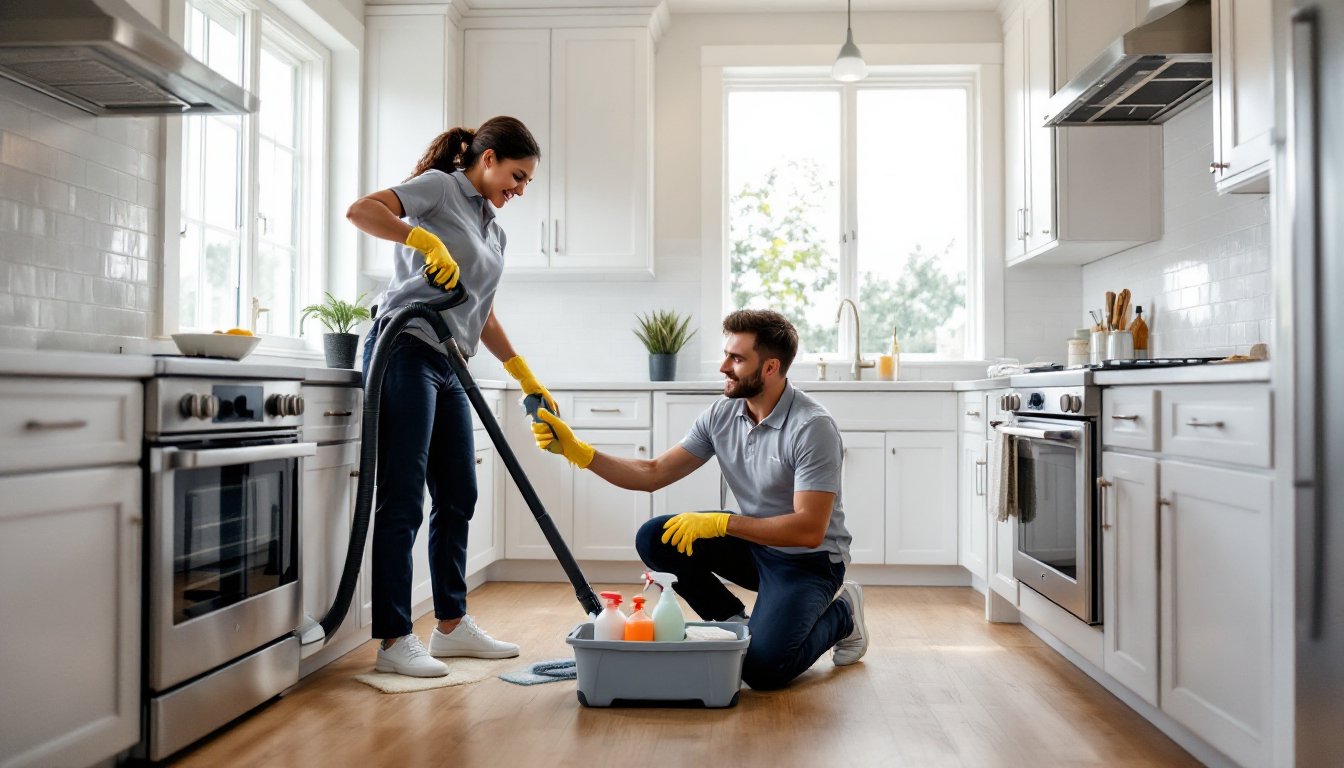
You don’t need a closet full of specialty gadgets. Start with the basics: a microfiber cloth set (captures dust better than cotton rags), a good vacuum with a HEPA filter (traps allergens), a mop and bucket (for hard floors), a toilet brush and plunger, and squeegees (essential for shower doors and mirrors). A cordless handheld vacuum handles stairs and upholstery without lugging the full unit around.
For supplies, stock a multi-surface disinfectant (diluted properly per label instructions), baking soda (deodorizes and cuts grease), white vinegar (cuts soap scum and mineral deposits), and dish soap. These basics handle 90% of household cleaning. Specialty cleaners, oven cleaner, granite polish, or tile grout cleaner, can come later when needed. Keep cleaning supplies in a caddy so you’re not running back and forth between rooms. Before you start, wear gloves, eye protection, and a mask when using any chemical cleaner, even diluted ones.
Reputable sources like Good Housekeeping’s cleaning awards regularly test and rank top-performing tools and products. Checking independent reviews saves money by steering you toward tools that actually deliver results rather than gimmicks that clutter your cabinet.
Room-by-Room Cleaning Strategy That Works
Kitchen and Bathroom Deep Cleaning Techniques
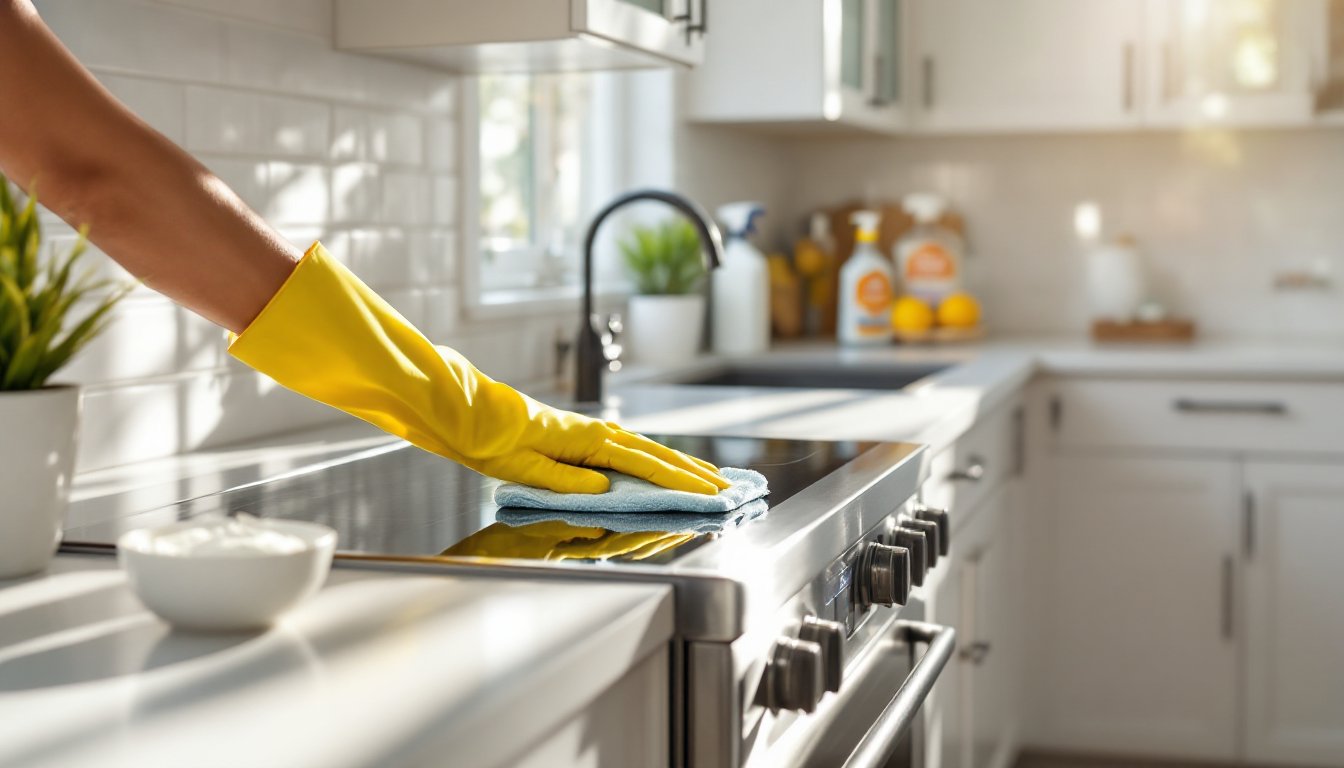
The kitchen demands a top-to-bottom approach. Start by clearing countertops completely, this lets you wipe surfaces without moving items around. Spray your multi-surface cleaner on cabinet fronts and let it sit 30 seconds before wiping: this loosens grime without streaking. For the stovetop, apply baking soda mixed with a little water to create a paste, let it sit 5–10 minutes, then scrub with a soft sponge and rinse thoroughly. The microwave requires heat: fill a microwave-safe bowl with water and a squeeze of dish soap, microwave on high for 3 minutes, then wipe, the steam softens splatters.
The refrigerator gets overlooked but collects spills and odors. Remove shelves if possible, wash them with warm soapy water, and wipe the interior with a cloth dampened in equal parts white vinegar and water. Wipe the rubber seal around the door, where mold loves to hide. For the sink, sprinkle baking soda generously, scrub with a damp sponge or cloth, rinse, and shine with a dry cloth to prevent water spots.
In the bathroom, ventilation is critical, turn on the exhaust fan during and after cleaning to reduce moisture. Spray the toilet bowl with bleach-based toilet cleaner, let it sit 10 minutes, then scrub under the rim (where bacteria hide) with a toilet brush. For shower doors and glass, spray with a 1:1 white vinegar and water solution, let sit 3 minutes, then squeegee and wipe dry immediately. Tile grout darkens from mildew: a stiff brush and a paste of baking soda and water works for light stains, but heavy mold may require a commercial grout cleaner. Always ventilate when using any cleaner. Resources like The Spruce’s home guides offer detailed breakdowns of difficult cleaning scenarios room by room.
Time-Saving Hacks and Maintenance Tips
The fastest way to clean fast is to never let dirt build up. Wipe spills immediately instead of letting them dry and harden. A quick 10-minute daily tidy, putting items back in place, wiping down the sink, and sweeping high-traffic areas, prevents a Saturday morning disaster. Designate a “cleaning day” each week, even if it’s just 45 minutes, so dirt doesn’t accumulate.
Work from top to bottom and back to front in each room: dust falls down, so clean upper surfaces (shelves, fan blades) before floors. Work from the far corner toward the exit so you don’t backtrack. Batch similar tasks, clean all mirrors and glass in one pass, all dusting in another, rather than jumping between jobs.
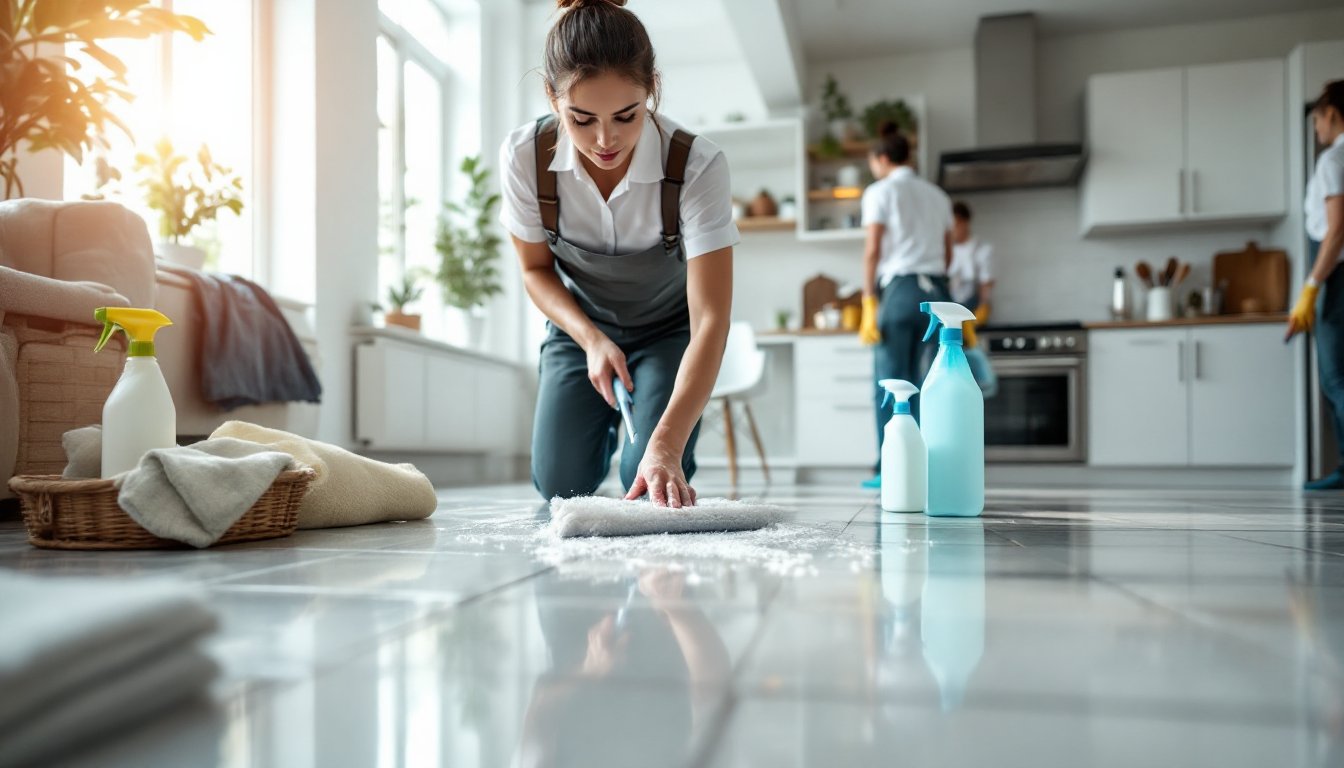
Use the right tool for the surface. A microfiber mop on hardwood or tile is faster and uses less water than a traditional string mop. Vacuum before mopping to pick up crumbs and dust that would otherwise turn into paste. Keep a cleaning caddy or portable container stocked so supplies are always within reach.
For maintenance, address spills and stains immediately. Martha Stewart’s home organization strategies emphasize the power of systems: designated spots for items reduce clutter and make cleaning faster because there’s less to move. Replace HVAC filters every 1–3 months depending on pets and air quality. Clean refrigerator coils annually. Small, consistent actions prevent the need for brutal deep cleaning later.
Conclusion
Effective home cleaning comes down to the right tools, a logical strategy, and consistent habits. Stock the basics, tackle one room at a time, and address spills before they become stains. Most importantly, don’t wait for a crisis to clean, regular maintenance keeps your home fresh and protects your investment for years to come.