
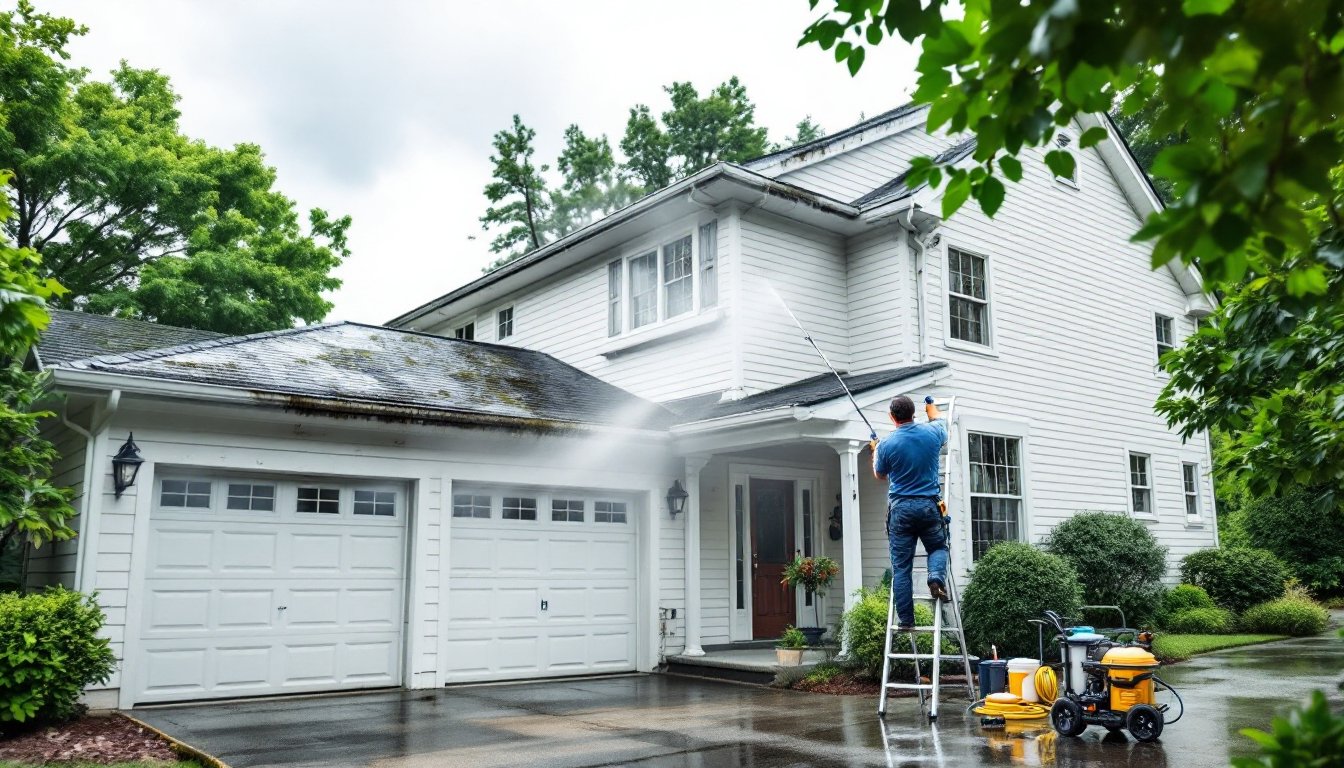
Dirty siding, grimy gutters, and a moss-covered driveway don’t just look bad, they signal neglect and can accelerate material degradation. Exterior house cleaning isn’t glamorous, but it’s one of the most cost-effective maintenance tasks a homeowner can tackle. A well-maintained exterior protects your investment, improves curb appeal, and prevents expensive repairs down the road. Whether you’re prepping for a sale, refreshing after winter, or simply keeping up appearances, understanding the basics of exterior house cleaning will save you money and extend the life of your siding, roof, and foundation.
Table of Contents
ToggleKey Takeaways
- Regular exterior house cleaning prevents material degradation and expensive repairs while protecting your home’s value and curb appeal.
- A power washer rated at 2000–2500 PSI is the ideal tool for most homeowners, costing just $50–100 per day to rent for an affordable deep clean.
- Clean gutters twice yearly and perform quarterly spot cleaning of high-traffic areas to prevent costly water damage and reduce the burden of annual power washing.
- DIY exterior house cleaning typically costs $150–300, while professional services range from $300–800 or more, making do-it-yourself viable for single-story homes and simpler projects.
- Use oxygen-based cleaners and gentler products on delicate surfaces like wood and vinyl siding to avoid damage, always testing on a hidden area first.
- Power wash from top to bottom at a 45-degree angle, keeping the nozzle at least 2 feet from siding, then finish with a thorough plain-water rinse to prevent dirt attraction.
Why Regular Exterior House Cleaning Matters
Your home’s exterior faces constant assault: UV rays fade paint, rain brings algae and mold, wind deposits debris, and temperature swings expand and contract materials. Without regular cleaning, these elements accumulate into stubborn buildup that becomes harder, and more expensive, to remove later.
Mold and mildew aren’t just unsightly: they can compromise siding integrity and contribute to moisture problems inside your walls. Gutters clogged with leaves and sediment cause water to back up, which can damage fascia boards and create foundation issues. Driveways and walkways with algae growth become safety hazards in wet weather. A power wash once a year and routine spot cleaning prevent these headaches.
Regular maintenance also keeps your exterior materials in top condition, which maintains, or even boosts, home value. If you’re planning to sell, a clean exterior immediately improves first impressions, and that matters. Beyond resale, there’s peace of mind: you know water is draining properly, your siding is sound, and you’re not nurturing pest habitats.
What You’ll Need to Clean Your Home’s Exterior
Essential Tools and Equipment
A power washer is the workhorse of exterior cleaning. For most homeowners, a 2000–2500 PSI unit strikes the right balance between cleaning power and safety: anything higher risks damaging siding or blasting mortar from masonry. Renting one costs $50–100 per day, making it affordable for a one-time deep clean. You’ll also need a 24-foot extension ladder (if you’re reaching gutters or upper-story siding), garden hose with spray nozzle, soft-bristle brushes for delicate surfaces, and buckets for mixing and soaking.
For gutter cleaning, a scoop or trowel and gutter vacuum (optional but useful) speed up debris removal. Heavy-duty work gloves protect against sharp edges and debris. A mask is essential if you’re working in dusty conditions or near mold. Safety glasses or goggles prevent splashes and flying debris, and ear protection matters if you’re running a power washer for hours.
Cleaning Products That Deliver Results
Your choice depends on what you’re cleaning. For general-purpose exterior cleaning, a house wash or mild detergent (around 1:1 or 1:2 ratio with water) handles most jobs without damaging paint or siding. Avoid bleach on wood: it can weaken fibers over time. Chlorine-based cleaners work on concrete and masonry but aren’t suitable for stained wood or vinyl siding.
For mold and mildew, a mildew remover or oxygen-based cleaner is gentler than bleach and less likely to cause harm to surrounding vegetation. Products like oxygen cleaners break down organic growth without harsh chemicals. For stubborn grime on driveways, a concrete degreaser cuts through oil and buildup. Always read labels and test any cleaner on a hidden area first, some products can discolor or degrade certain materials. Using a pressure washer often eliminates the need for heavy chemicals, reducing environmental impact and protecting your landscaping.
Step-by-Step Guide to Exterior House Cleaning
1. Inspect and plan. Walk around your home and note problem areas: moss on the roof, algae on siding, clogged gutters, or stains on concrete. This tells you where to focus effort and which tools you’ll need. Check the weather forecast: cloudy days are ideal (sun causes cleaners to dry too fast and can leave streaks).
2. Clear debris. Remove loose items like lawn furniture, potted plants, and yard toys from the work area. Trim back vegetation that might block access or get damaged by overspray.
3. Clean gutters first. Gutters should be tackled before power washing the siding, so debris and water drain properly. Scoop out leaves and sediment by hand or with a gutter vacuum. Flush the gutter with a hose to check drainage and catch any remaining debris.
4. Rinse the entire exterior. Use the hose on a standard spray nozzle to pre-wet siding, roof, and hard surfaces. This removes loose dirt and helps you gauge how dirty things really are.
5. Apply cleaner (if needed). Mix your chosen cleaner per instructions and apply with a pump sprayer or by running it through the power washer’s detergent port. Let it sit for 10–15 minutes to break down grime: don’t let it dry completely.
6. Power wash methodically. Start from the top and work downward so dirty water runs down, not up. Keep the nozzle at least 2 feet from siding and at a 45-degree angle to avoid forcing water behind cladding. Use wider, gentler spray patterns for vinyl and painted wood. For concrete, you can be more aggressive.
7. Rinse thoroughly. Once everything is clean, do a final rinse with plain water to remove all detergent residue. Leftover cleaner can attract dirt faster.
8. Spot-check and detail. Pay attention to corners, along trim, and under eaves where dirt hides. A soft brush and soapy water handle stubborn spots without risking pressure damage.
DIY Exterior Cleaning vs. Professional Services
Doing it yourself saves money upfront: a rental power washer, detergents, and fuel might run $150–300 for a full exterior clean. Professionals charge $300–800 or more depending on home size and condition. For a tight budget or a one-story ranch, DIY is often worth it.
But there are trade-offs. Power washing requires ladder work, safety precautions, and technique to avoid damaging siding or trim. If you’re uncomfortable on height, have mobility issues, or your exterior has delicate materials (like old wood shingles or historic masonry), professional cleaners have the expertise and insurance to protect your property. They also finish faster and typically guarantee results.
According to recent home service provider reviews on Angi, professional exterior cleaning companies offer specialized equipment and eco-friendly options that DIYers may not access easily. Consider your comfort level, physical ability, and the complexity of your home’s architecture. A middle ground: hire pros for steep roofs, upper stories, or tricky areas, and tackle the ground level yourself.
Money-Saving Tips for Exterior House Maintenance
Develop a routine. Quarterly spot cleaning of high-traffic areas (driveway, entryway, siding near ground level) prevents heavy buildup and means annual power washing takes less effort. A simple hose spray and soft brush catch problems early.
Maintain gutters religiously. Clean gutters twice a year (spring and fall) prevent water damage that costs thousands to repair. This alone saves more than a professional cleaning bill.
Protect from the start. Using a sealant on concrete or wood after cleaning extends the time before the next deep clean. Sealing also makes dirt less likely to adhere, so routine maintenance becomes quicker.
Rent smart. If you rent a power washer, schedule it during off-season (late fall or early spring) when rental places offer discounts. Splitting the rental cost with a neighbor makes sense if you’re both planning to clean.
DIY what you can. Reserve professional services for high-risk jobs (roof cleaning, multi-story pressure washing) and handle gutters, ground-level siding, and driveways yourself. Product recommendations from Good Housekeeping’s tested cleaning solutions can guide your material choices without overbuying specialty products.
Use water wisely. Power washing consumes significant water. If you live in a drought-prone area or face water restrictions, consider hiring professionals with recirculating systems or focus on targeted cleaning rather than entire-home washing. Check your local codes before starting any exterior work.
Keeping Your Exterior in Shape
A clean exterior is preventative medicine for your home. Regular attention, gutters twice yearly, spot cleaning seasonally, and a full wash every 12–18 months, costs far less than ignoring damage until siding rots, mold spreads, or foundations crack. Whether you tackle it yourself or hire professionals, the investment in maintenance protects your property and keeps curb appeal strong. The Spruce offers comprehensive cleaning guides for specific surfaces and materials if you need deeper guidance for unique situations. Start small, build confidence, and you’ll find exterior cleaning becomes a manageable part of responsible homeownership.