
Moving guides trends 2026 will reshape how people plan and execute relocations. The moving industry is changing fast, driven by technology, environmental concerns, and shifting work patterns. Whether someone is relocating across town or across the country, the resources available to them are evolving in exciting ways.
This year, movers can expect smarter tools, greener options, and more personalized support than ever before. From AI-powered checklists to eco-friendly packing solutions, the trends shaping moving guides in 2026 reflect broader shifts in how people live and work. Here’s what’s coming, and how it will make the next move smoother.
Table of Contents
ToggleKey Takeaways
- Moving guides trends 2026 emphasize digital-first, interactive tools like mobile apps, video walkthroughs, and AR features that adapt to individual needs.
- Sustainability is a top priority, with reusable packing materials, donation resources, and carbon offset programs becoming standard in relocation planning.
- AI-powered chatbots and smart recommendation engines deliver personalized moving advice based on family size, budget, distance, and timeline.
- Remote work continues to reshape moving guides, with dedicated sections on home office setup, cost-of-living comparisons, and flexible housing options.
- Modern moving resources now cover international relocations, including visa requirements, shipping logistics, and distributed team considerations.
- Interactive timelines and push notifications help movers stay organized by delivering customized task reminders at the right moment.
The Rise of Digital and Interactive Moving Resources
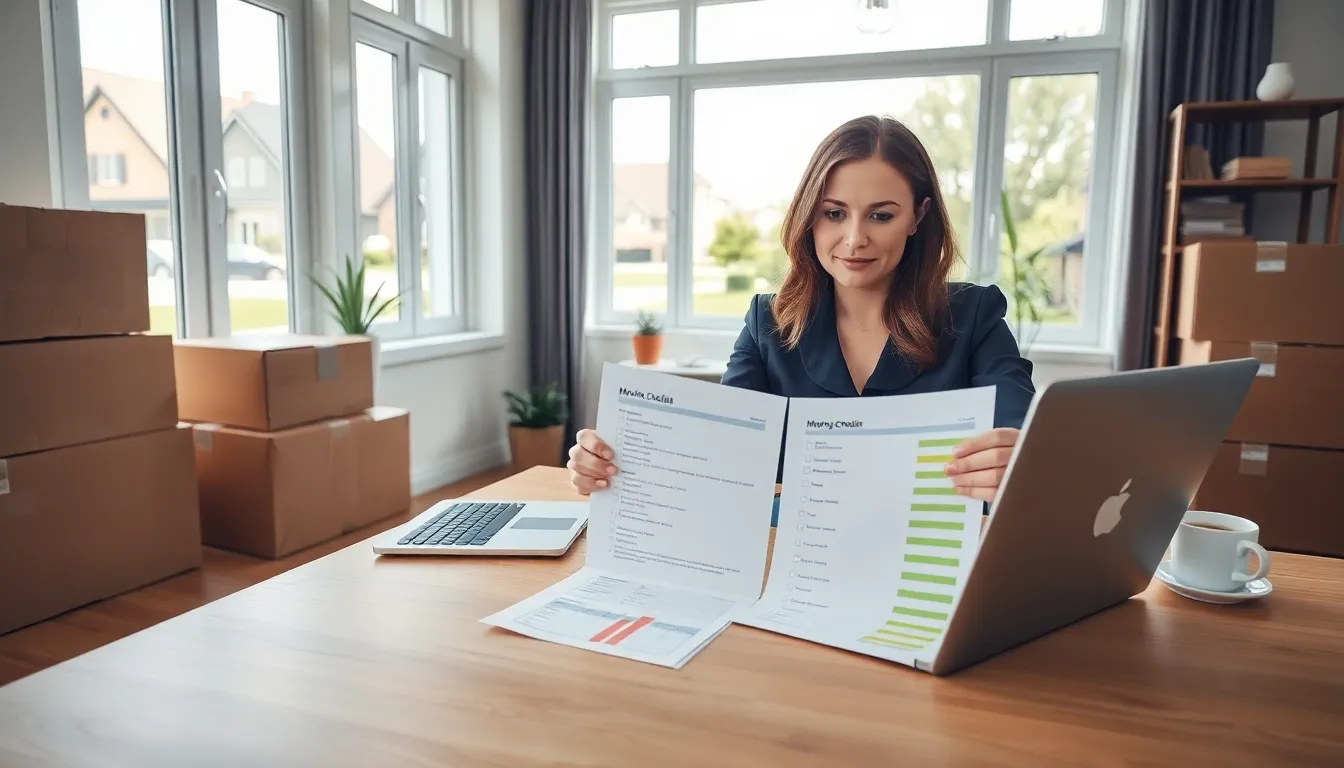
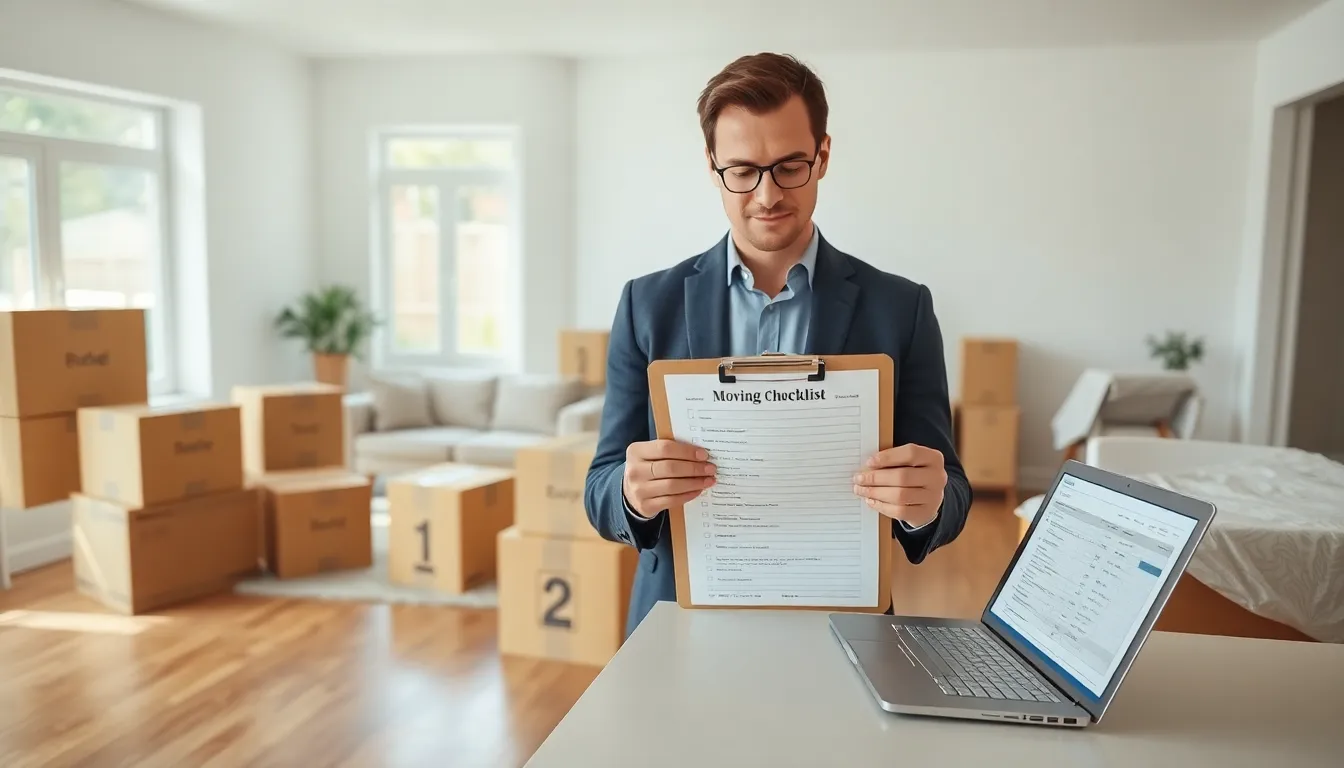
Static PDF checklists are fading fast. In 2026, moving guides trends point toward digital-first, interactive experiences that adapt to each user’s needs.
Video walkthroughs now dominate the space. Moving companies and real estate platforms offer step-by-step tutorials covering everything from packing fragile items to transferring utilities. These videos let viewers pause, rewind, and follow along in real time. They’re practical in a way that text-heavy guides simply aren’t.
Interactive timelines have also gained traction. Instead of a one-size-fits-all schedule, these tools let users input their move date and receive a customized countdown. Tasks appear at the right moment, schedule movers eight weeks out, notify the post office two weeks before, pack the kitchen three days ahead. The timeline adjusts automatically if the date changes.
Mobile apps are central to this shift. The best moving guides in 2026 live on smartphones, offering push notifications, photo inventories, and integrated checklists. Users can snap pictures of their belongings for insurance purposes, track expenses, and share progress with family members, all from one app.
Augmented reality (AR) is emerging, too. Some apps now let users point their phone at an empty room and visualize how furniture will fit. This feature helps people decide what to keep, sell, or donate before the moving truck arrives.
The trend is clear: moving guides are becoming tools, not just documents. They respond, remind, and guide in real time. That’s a big upgrade from the paper checklists of even a few years ago.
Sustainability Takes Center Stage in Relocation Planning
Environmental awareness is shaping moving guides trends 2026 in significant ways. People want to relocate without creating unnecessary waste, and the resources available are catching up.
Reusable packing materials are now standard recommendations. Moving guides emphasize renting plastic bins instead of buying cardboard boxes. Some services deliver these bins, pick them up after the move, and sanitize them for the next customer. It’s cheaper and cleaner.
Guides also spotlight donation and resale options more prominently. Rather than tossing old furniture, movers are directed to local charities, consignment shops, and online marketplaces. Many 2026 moving guides include links to schedule donation pickups directly.
Carbon offset programs are appearing in relocation planning tools. Some moving companies now calculate the estimated carbon footprint of a move and offer offsets at checkout. Moving guides explain how these programs work and help users compare options.
Eco-conscious moving companies receive more attention in 2026 resources. Guides highlight movers that use biodiesel trucks, recycled packing paper, and energy-efficient warehouses. Consumers can filter search results based on environmental certifications.
The emphasis on sustainability extends to post-move advice, too. Guides cover topics like setting up recycling in a new city, finding local farmers’ markets, and choosing green energy providers. The goal is to help people start fresh in their new home with habits that match their values.
Personalized and AI-Powered Moving Assistance
Generic advice doesn’t cut it anymore. Moving guides trends 2026 show a strong push toward personalization, with AI doing much of the heavy lifting.
AI chatbots now answer moving questions around the clock. These bots handle common queries, how to change a driver’s license, what to pack in a first-night box, whether to tip movers, and learn from user interactions to improve over time. They’re faster than searching through FAQ pages and more accessible than calling a customer service line.
Smart recommendation engines power many 2026 moving guides. Users enter details about their situation, family size, budget, distance, timeline, and receive customized suggestions. A young professional moving cross-country for a job gets different advice than a retiree downsizing locally. The same guide serves both, but the output varies based on input.
Cost estimators have improved dramatically. AI tools analyze local moving company pricing, seasonal fluctuations, and user preferences to generate accurate quotes. Some platforms let users compare multiple providers side by side, with AI flagging hidden fees or unusual charges.
Voice assistants integrate with moving resources now. Users can ask their smart speaker for packing tips, get reminders about upcoming tasks, or request a list of highly rated movers in their new city. This hands-free access makes multitasking easier during a hectic move.
The personalization trend reflects a broader shift in consumer expectations. People want services that understand their specific situation. Moving guides in 2026 deliver that through intelligent, adaptive technology.
Remote Work Continues to Shape Relocation Decisions
Remote work isn’t going away, and it’s influencing moving guides trends 2026 in notable ways.
Guides now include dedicated sections on setting up a home office. Advice covers everything from ergonomic furniture selection to internet speed requirements. Some moving resources partner with co-working space directories, helping remote workers find backup options in their new city.
Location-independent workers need different information than traditional movers. Moving guides address this with content on cost-of-living comparisons, tax implications of moving between states, and quality-of-life factors like outdoor recreation and walkability. The focus is less on commute times and more on lifestyle fit.
Short-term and flexible housing options feature prominently. Many remote workers test a new city before committing. Moving guides in 2026 connect users with furnished rentals, extended-stay hotels, and month-to-month lease options. This flexibility reduces the risk of relocating to a place that doesn’t work out.
Community-building resources appear in modern moving guides, too. Remote workers often miss the social connections that come from an office. Guides point users toward local meetups, professional networking groups, and social clubs to help them build a new network.
International relocations get more attention as well. With employers increasingly open to distributed teams, moving guides now cover visa requirements, international shipping logistics, and setting up banking abroad. The remote work revolution has expanded what it means to move, and moving guides in 2026 reflect that expanded scope.