
Moving guides ideas can turn a chaotic relocation into a smooth transition. Every year, millions of people move to new homes. Many feel overwhelmed by the process. The good news? A solid plan makes all the difference.
This guide covers the essential steps for a stress-free move. Readers will learn how to create a timeline, declutter efficiently, pack like a pro, and settle into their new space. Whether someone is moving across town or across the country, these moving guides ideas provide a clear path forward.
Table of Contents
ToggleKey Takeaways
- Start planning your move eight weeks in advance to reduce stress and stay organized with a detailed timeline and checklist.
- Declutter before packing by sorting items into sell, donate, recycle, or trash categories to save time and money.
- Label every box with destination room, contents, and handling instructions—color-coding speeds up the unpacking process.
- Pack room by room and keep an inventory spreadsheet to track belongings and simplify insurance claims if needed.
- Prioritize unpacking the kitchen, bathroom, and bedrooms first to establish comfort quickly in your new home.
- These moving guides ideas help turn a chaotic relocation into a smooth, manageable transition.
Creating Your Moving Timeline and Checklist
A moving timeline serves as the foundation for any successful relocation. Starting early gives movers the best chance at a stress-free experience. Most experts recommend beginning the planning process eight weeks before moving day.
Eight Weeks Out
This is the time to research moving companies and request quotes. Movers should compare at least three different companies. They should also start gathering important documents like medical records, school transcripts, and financial paperwork.
Six Weeks Out
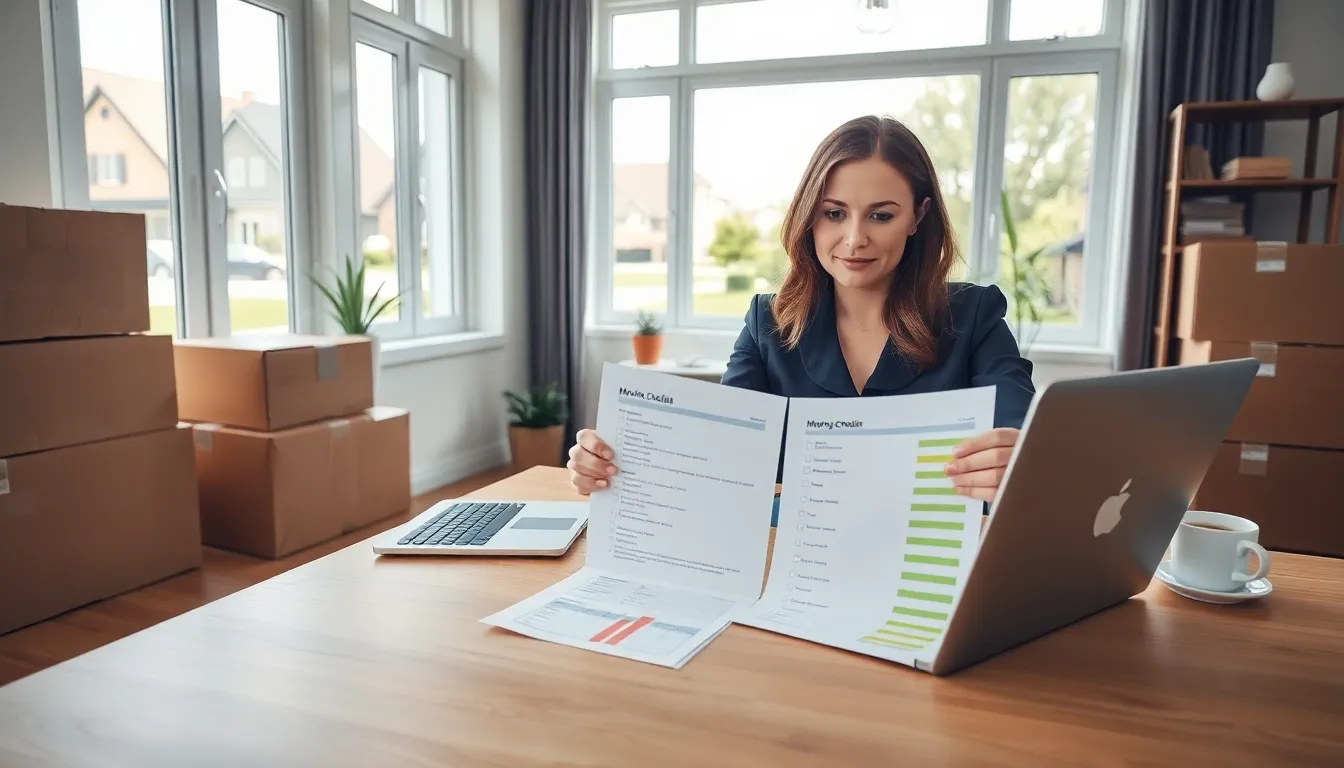
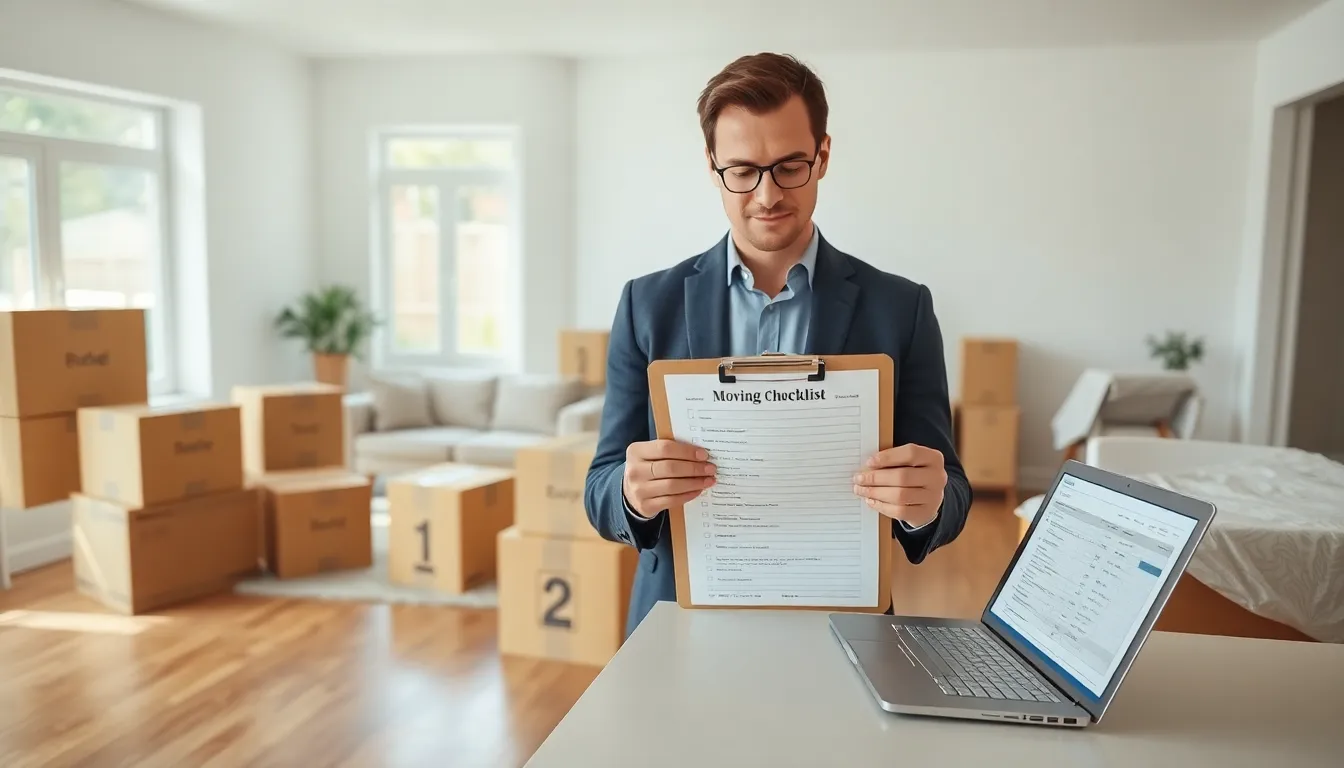
Now comes the time to create a detailed checklist. This list should include every task from canceling utilities to forwarding mail. A good moving guides ideas checklist covers:
- Notifying landlords or scheduling closing dates
- Reserving moving trucks or confirming professional movers
- Sorting items room by room
- Ordering packing supplies
Four Weeks Out
Movers should begin packing non-essential items. Guest rooms, storage areas, and seasonal items can go into boxes first. This is also the right time to schedule utility disconnections and connections at the new address.
Two Weeks Out
The final countdown begins. Movers should confirm all reservations, finish packing most rooms, and prepare a box of essentials for moving day. This essentials box should contain toiletries, medications, phone chargers, snacks, and a change of clothes.
Moving Week
The last week focuses on final details. Movers should defrost the refrigerator, disassemble furniture, and do a final walkthrough of the home. Having a clear timeline prevents last-minute panic and forgotten tasks.
Organizing and Decluttering Before the Move
Decluttering before a move saves time, money, and energy. Every item that stays behind means one less thing to pack, transport, and unpack. Smart movers use this opportunity to start fresh.
The process works best when broken into manageable chunks. Tackling one room at a time prevents burnout. Start with the least-used spaces, attics, basements, and spare closets often hold the most forgotten items.
For each item, movers should ask three questions:
- Have they used it in the past year?
- Does it serve a purpose in the new home?
- Does it bring genuine value to their life?
Items that don’t pass this test belong in one of four categories: sell, donate, recycle, or trash. Selling unwanted items through online marketplaces or garage sales can offset moving costs. Local charities often accept furniture, clothing, and household goods.
Moving guides ideas experts suggest a “maybe” box for items that cause indecision. If movers haven’t opened that box within six months of settling in, they probably don’t need what’s inside.
Paperwork deserves special attention. Old bills, expired warranties, and outdated documents can be shredded. Important papers should be organized in a portable file box that travels with the mover, not in the moving truck.
Digital decluttering matters too. This is a perfect time to update address books, cancel subscriptions tied to the old location, and organize computer files. A fresh start applies to more than just physical belongings.
Packing Strategies for Efficient Moving
Smart packing makes unpacking easier. The right approach saves hours of frustration at the new home.
Gather Quality Supplies
Cheap boxes break. Movers should invest in sturdy boxes, quality tape, and proper packing materials. Many grocery stores and liquor stores give away free boxes, these work well for lighter items. Fragile belongings need new boxes with good structural integrity.
Label Everything
A labeling system changes the game. Each box should display:
- The destination room
- A general description of contents
- Handling instructions (fragile, heavy, this side up)
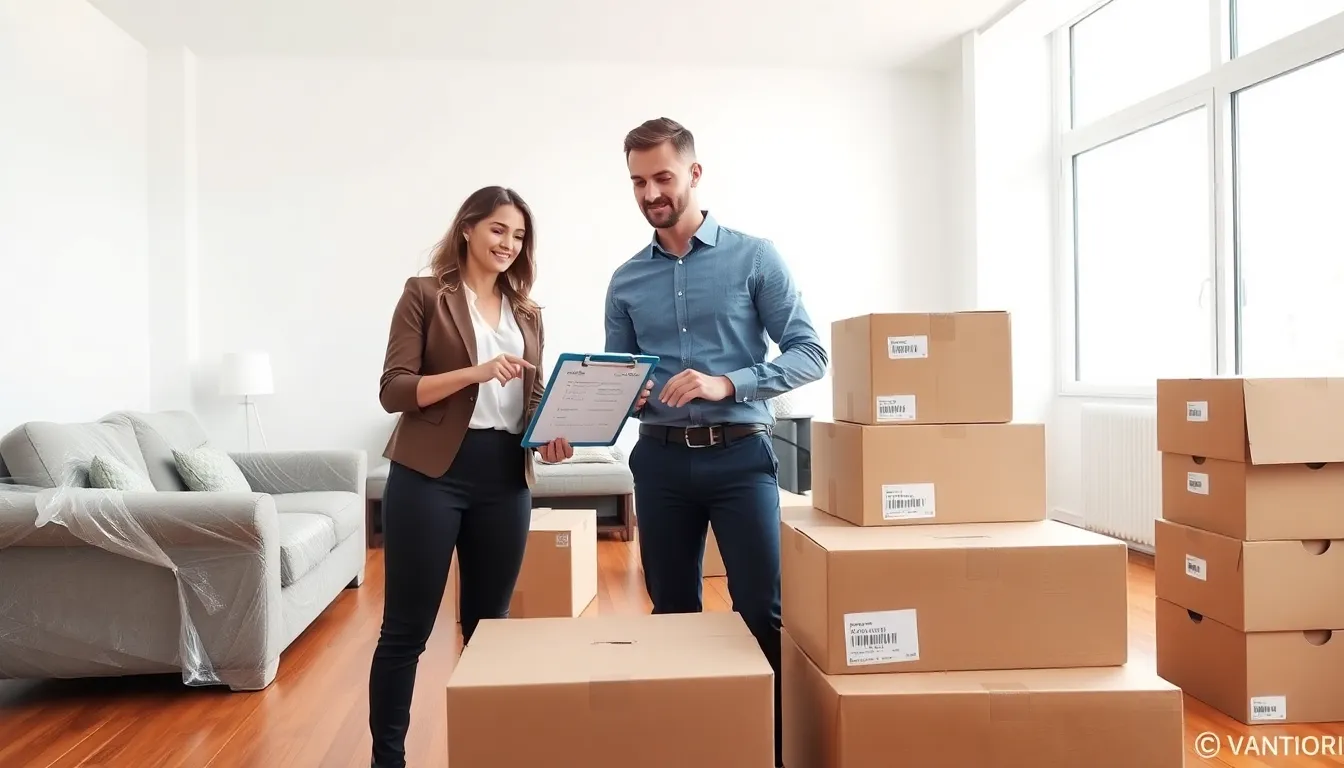
Color-coding speeds things up even more. Assign each room a color and use colored tape or markers on corresponding boxes. Movers can then direct boxes to the right rooms at a glance.
Pack Room by Room
Mixing items from different rooms creates chaos during unpacking. Moving guides ideas work best when movers pack one space completely before moving to the next. This keeps similar items together and makes setting up the new home logical.
Protect Fragile Items
Dishes should be wrapped individually and packed vertically, like records in a crate. Glasses need extra padding inside and around them. Packing paper works better than newspaper, which can leave ink stains.
Heavy items go in small boxes. Light items go in large boxes. This simple rule prevents injuries and broken boxes. Books, for example, should never fill a large box.
Create an Inventory
Numbering boxes and keeping a simple spreadsheet helps track everything. If something goes missing, movers know exactly what to look for. This inventory also helps with insurance claims if damage occurs.
Settling Into Your New Home
The move itself is only half the battle. Settling in properly sets the tone for life in the new space.
First Day Priorities
Before unpacking anything else, movers should handle safety and comfort basics. This means checking that all locks work, locating the circuit breaker and water shutoff valve, and making beds. A good night’s sleep makes day two much more productive.
The essentials box mentioned earlier becomes invaluable here. Nobody wants to dig through twenty boxes looking for a phone charger or toothbrush.
Unpack Strategically
The kitchen should come first, people need to eat. Bathrooms come next. Bedrooms follow. Living areas and decorative items can wait.
Moving guides ideas suggest unpacking completely before decorating. Boxes sitting around for weeks drain energy and make the new place feel temporary. Set a goal to have everything unpacked within two weeks.
Update Important Information
A change of address affects dozens of accounts and contacts. Movers should update:
- Driver’s licenses and vehicle registrations
- Voter registration
- Bank and credit card accounts
- Insurance policies
- Subscriptions and memberships
- Employer records
The USPS mail forwarding service catches most wayward mail, but it only lasts a year. Direct updates prevent missed bills and lost correspondence.
Meet the Neighbors
Building connections makes a new place feel like home faster. A simple introduction goes a long way. Neighbors can share valuable local knowledge, the best pizza place, which mechanic to trust, when trash pickup happens.
Give It Time
A new home takes weeks or months to feel right. Movers shouldn’t panic if everything doesn’t fall into place immediately. Rearranging furniture, hanging pictures, and establishing routines all contribute to making the space their own.