
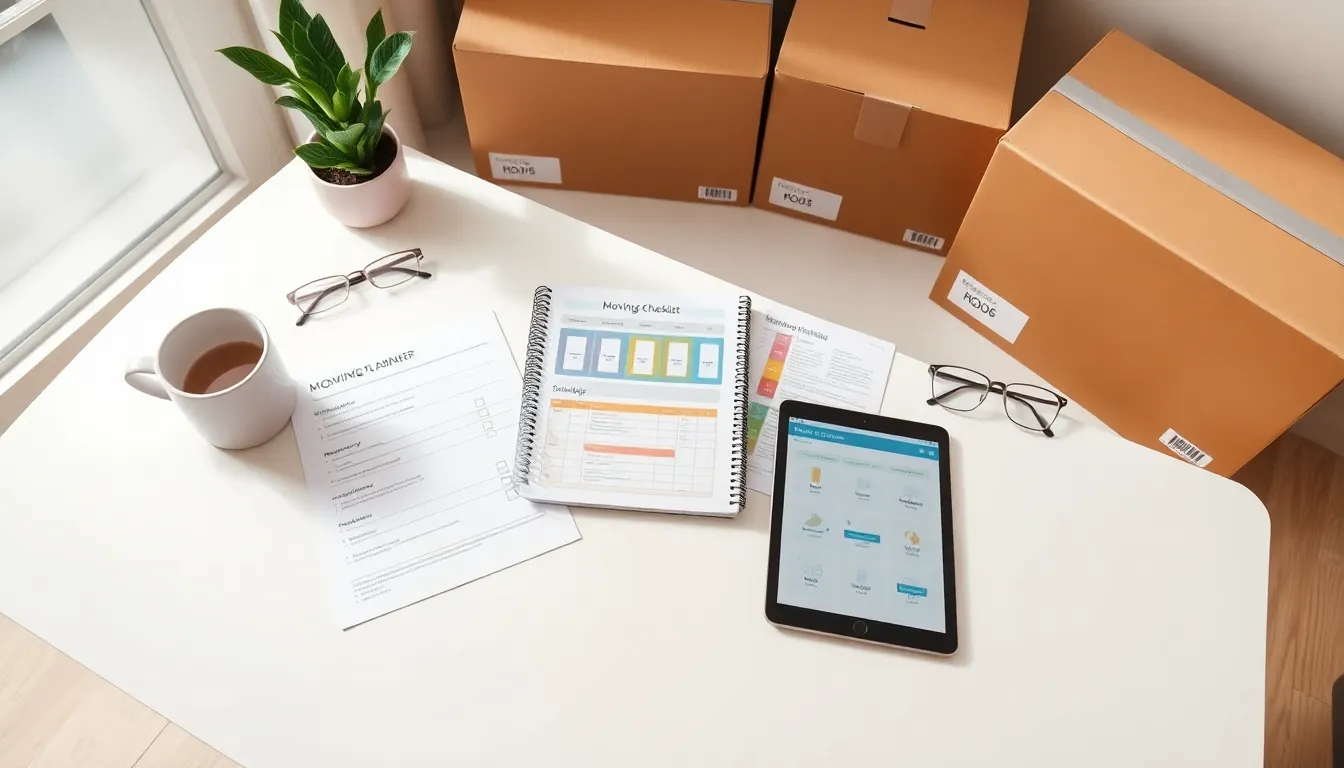
Moving guides examples can transform a chaotic relocation into a structured, manageable project. Whether someone is moving across town or across the country, having the right templates and checklists makes every step easier.
A well-designed moving guide breaks down the entire process into clear action items. It helps people avoid forgotten tasks, missed deadlines, and last-minute scrambles. This article shares practical moving guides examples, including checklists, packing guides, and timeline templates that anyone can adapt for their next move.
Table of Contents
ToggleKey Takeaways
- Moving guides examples help transform a stressful relocation into a structured, manageable project with clear action items.
- Effective moving guides include five core elements: a master checklist, timeline, packing guides, budget tracker, and contact directory.
- Use an eight-week checklist for planned moves or a condensed last-minute checklist when time is limited.
- Room-by-room packing guides help you pack faster and unpack smarter, especially for challenging spaces like kitchens.
- Timeline templates assign specific dates to each task, ensuring nothing falls through the cracks during your move.
- Customize any moving guide template based on your schedule, home size, and whether you’re hiring movers or doing it yourself.
What Is a Moving Guide and Why You Need One
A moving guide is a document that outlines every task involved in relocating from one home to another. It typically includes checklists, timelines, packing instructions, and contact lists for service providers.
Think of it as a roadmap for the entire moving process. Without one, people often forget critical steps, like transferring utilities, updating their address, or scheduling elevator access at their new building.
Key Components of a Moving Guide
Most effective moving guides examples contain these core elements:
- Master checklist: A comprehensive list of all tasks from start to finish
- Timeline: Weekly or daily breakdowns of what needs to happen and when
- Packing guides: Room-by-room instructions for boxing up belongings
- Budget tracker: A space to record estimates, deposits, and final costs
- Contact directory: Phone numbers and emails for movers, landlords, and utility companies
Why Every Mover Needs a Guide
Relocation involves hundreds of small decisions and tasks. Research shows that moving ranks among the top five most stressful life events. A solid guide reduces that stress by providing structure.
People who use moving guides examples as their foundation report fewer forgotten items and smoother transitions. They also spend less time scrambling at the last minute because they’ve planned ahead.
The best part? No one needs to create these documents from scratch. Proven templates exist for every aspect of moving, and adapting them takes just minutes.
Examples of Effective Moving Checklists
A moving checklist turns an overwhelming project into a series of achievable steps. Here are three moving guides examples that cover different checklist formats.
The Eight-Week Moving Checklist
This format works well for planned relocations with some lead time:
Eight weeks before:
- Research and get quotes from at least three moving companies
- Begin decluttering room by room
- Create a moving binder or digital folder
Six weeks before:
- Book movers or reserve a rental truck
- Start collecting packing supplies
- Notify your landlord if renting
Four weeks before:
- Begin packing non-essential items
- Schedule utility disconnection and connection dates
- Change address with the post office
Two weeks before:
- Confirm moving company reservation
- Pack most rooms except daily essentials
- Clean out refrigerator and pantry
Moving week:
- Pack suitcases with clothes for the first few days
- Defrost freezer
- Do a final walkthrough of every room
The Last-Minute Moving Checklist
Sometimes people only have a week or two to relocate. A condensed checklist prioritizes the absolute essentials:
- Book movers immediately (availability will be limited)
- Pack one room per day, starting with least-used spaces
- Handle address changes and utilities within the first three days
- Create an “open first” box with toilet paper, snacks, phone chargers, and basic tools
The Family Moving Checklist
Families with children need additional items on their lists:
- Transfer school records and enroll kids in new schools
- Research pediatricians and dentists in the new area
- Pack a special box of toys and comfort items for each child
- Plan activities to keep kids occupied on moving day
These moving guides examples demonstrate how the same core structure adapts to different situations.
Sample Packing Guides for Every Room
Packing represents the most time-consuming part of any move. Room-specific guides help people pack faster and unpack smarter.
Kitchen Packing Guide
The kitchen usually takes the longest to pack because of fragile items and odd-shaped appliances.
Supplies needed:
- Dish pack boxes (extra-sturdy)
- Packing paper (newspaper leaves ink on dishes)
- Bubble wrap for fragile items
Packing order:
- Start with rarely used items: holiday dishes, specialty appliances, cookbooks
- Move to everyday dishes and glassware
- Pack pantry items last (check expiration dates first)
- Wrap knives in towels and tape securely
Bedroom Packing Guide
Bedrooms are usually easier but require attention to closet organization:
- Use wardrobe boxes for hanging clothes, they save time and prevent wrinkles
- Roll casual clothes instead of folding to save space
- Pack shoes in their original boxes or wrap in packing paper
- Place jewelry and valuables in a personal bag that stays with the mover
Bathroom Packing Guide
Bathrooms present unique challenges with liquids and medications:
- Seal all liquids in plastic bags before boxing
- Discard expired medications at a pharmacy drop-off
- Pack a toiletry bag for moving day essentials
- Wrap mirrors and glass shelves in bubble wrap
Living Room Packing Guide
Living rooms often contain the most valuable items:
- Remove batteries from remotes and electronics
- Take photos of TV and stereo wire connections before disconnecting
- Wrap picture frames in moving blankets or bubble wrap
- Disassemble furniture if possible, and bag all hardware together
These moving guides examples give movers a starting point they can customize based on their belongings.
Moving Timeline Templates to Keep You on Track
A timeline template transforms a moving checklist into a schedule. It assigns specific dates to each task so nothing falls through the cracks.
The 30-Day Moving Timeline
This template works for local moves or situations with shorter notice:
| Days Before Move | Tasks |
|---|---|
| 30 days | Book movers, start packing storage areas |
| 21 days | Change address, notify utilities |
| 14 days | Pack all non-essential rooms |
| 7 days | Confirm reservations, pack remaining items |
| 3 days | Clean old home, prepare essentials bag |
| 1 day | Final walkthrough, charge devices |
| Moving day | Meet movers, do final check |
The 60-Day Moving Timeline
Long-distance moves benefit from extra planning time:
Days 60-45:
- Research moving companies that handle interstate moves
- Get multiple quotes and check reviews
- Begin sorting belongings into keep, donate, and trash piles
Days 44-30:
- Book movers and confirm insurance coverage
- Start packing seasonal items and storage spaces
- Research the new neighborhood for services and amenities
Days 29-14:
- Pack most rooms completely
- Transfer medical records to new providers
- Update address with banks, subscriptions, and government agencies
Days 13-1:
- Pack final items and essentials
- Clean the current home
- Prepare travel plans if flying or driving long distance
Customizing Timeline Templates
The best moving guides examples serve as starting points. Movers should adjust dates based on:
- Their work schedule and available packing time
- The size of their current home
- Whether they’re hiring full-service movers or doing it themselves
- Special circumstances like selling a home or ending a lease
Printing the timeline and posting it somewhere visible, like a refrigerator door, keeps everyone accountable.