
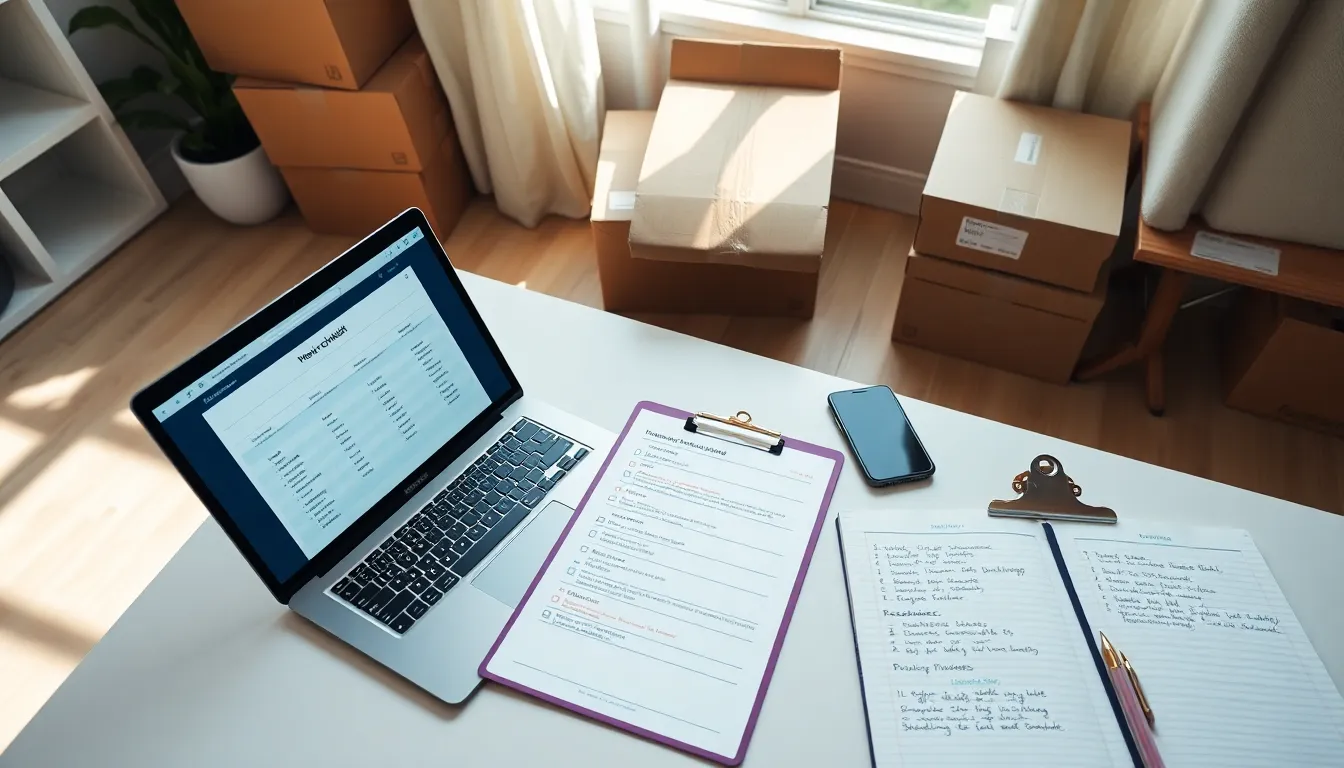
Moving day planning tools can transform a chaotic relocation into a smooth, organized process. Whether someone is moving across town or across the country, the right resources help keep tasks on track and reduce last-minute stress. From digital apps to printable checklists, these tools give movers a clear roadmap from start to finish.
The average American moves 11.7 times in their lifetime, according to U.S. Census data. That’s a lot of packing tape and cardboard boxes. Yet even though this frequency, many people still find themselves scrambling on moving day because they didn’t plan ahead. The good news? Modern moving day planning tools make organization easier than ever. This guide covers why these tools matter, the different types available, and how to pick the best ones for any move.
Table of Contents
ToggleKey Takeaways
- Moving day planning tools turn an overwhelming relocation into manageable steps by tracking deadlines, budgets, and responsibilities in one place.
- Digital apps like Sortly and MoveAdvisor offer portable inventory tracking and automatic reminders, while printable checklists provide reliable backup when technology fails.
- Start using your planning tools six to eight weeks before moving day to avoid last-minute scrambling and forgotten tasks.
- Choose moving day planning tools based on your move’s complexity, tech comfort level, and whether multiple people need shared access.
- Assign specific tasks with clear deadlines to each person involved, and update your planning tool daily to keep everyone accountable.
- Combine digital and paper-based tools for the best results—use apps for reminders and a printed checklist where everyone can see it.
Why Moving Day Planning Tools Matter
Moving involves dozens of tasks that must happen in a specific order. Miss one step, and the whole timeline can fall apart. Moving day planning tools create structure and accountability, which reduces the chance of forgotten tasks or scheduling conflicts.
Here’s what effective planning tools help movers accomplish:
- Track deadlines: Utility transfers, lease end dates, and mover bookings all have firm deadlines. Planning tools keep these dates visible.
- Coordinate multiple people: When family members or roommates share moving responsibilities, a central planning system prevents confusion.
- Manage budgets: Many moving day planning tools include cost-tracking features that help movers stay within their financial limits.
- Reduce stress: Studies show that moving ranks among life’s most stressful events. Having a clear plan lowers anxiety and gives movers a sense of control.
Without proper planning tools, movers often underestimate how much time each task requires. They might schedule the cable installation for the same hour the moving truck arrives. Or they forget to update their address with the post office until weeks after the move. These small oversights create big headaches.
Moving day planning tools solve these problems by breaking the entire process into manageable steps. They turn an overwhelming project into a series of simple checkboxes.
Types of Moving Day Planning Tools
Movers today have access to more planning resources than ever before. The two main categories are digital tools and printed materials. Each type has distinct advantages depending on personal preferences and moving circumstances.
Digital Apps and Software
Moving apps have become increasingly popular because they’re portable, shareable, and often free. These moving day planning tools live on smartphones and computers, making them accessible anywhere.
Popular digital options include:
- Sortly: This app helps movers create a visual inventory with photos and labels. Users can track which boxes contain specific items.
- MoveAdvisor: A comprehensive app that combines checklists, inventory management, and budget tracking in one place.
- Notion or Trello: General productivity tools that movers can customize into detailed moving planners with timelines and task assignments.
- Google Keep or Apple Notes: Simple note-taking apps work well for basic moving lists and quick reminders.
Digital moving day planning tools excel at sending reminders. They can alert users days before important deadlines and sync across multiple devices so everyone stays informed.
Printable Checklists and Planners
Some movers prefer paper-based planning tools. There’s something satisfying about physically crossing items off a list. Printable resources also work when phones die or internet access is spotty, common scenarios on moving day.
Useful printable options include:
- Timeline checklists: These break down tasks by weeks or days before the move.
- Room-by-room packing lists: These help movers systematically pack each area of their home.
- Budget worksheets: Paper spreadsheets let movers track expenses and compare quotes from moving companies.
- Box inventory sheets: Movers can tape these to boxes and keep a master copy to know exactly what’s packed where.
Many people use a combination of digital and printed moving day planning tools. They might rely on an app for reminders but keep a printed master checklist on the refrigerator where everyone can see it.
How to Choose the Right Planning Tools for Your Move
Not every moving day planning tool suits every situation. The best choice depends on several factors specific to each move.
Consider the move’s complexity. A single person moving from a studio apartment needs simpler tools than a family relocating across state lines. Complex moves benefit from comprehensive apps with inventory tracking and timeline management. Simple moves might only require a basic checklist.
Evaluate tech comfort levels. If someone rarely uses apps, forcing them to learn new software during an already stressful time isn’t wise. Paper planners work just fine. But, tech-savvy movers often appreciate the automation and syncing features digital tools provide.
Check for sharing capabilities. When multiple people handle moving tasks, shared access becomes important. Cloud-based moving day planning tools let everyone view and update the same list in real time.
Look at budget features. Moving costs add up quickly. Movers who need strict budget control should choose planning tools with expense tracking. Some apps even compare prices from different moving companies.
Test before committing. Most digital moving day planning tools offer free versions or trial periods. It’s worth trying a few options before the moving timeline gets too tight.
Tips for Getting the Most Out of Your Planning Tools
Having moving day planning tools is one thing. Using them effectively is another. These strategies help movers maximize their planning resources.
Start early. The best time to begin using moving day planning tools is six to eight weeks before the move date. This gives plenty of time to complete tasks without rushing. Starting late defeats the purpose of planning.
Set realistic deadlines. Don’t schedule too many tasks for a single day. Build buffer time into the schedule because something will inevitably take longer than expected.
Update consistently. A planning tool only works if movers actually use it. Check the app or list daily and mark completed tasks right away. This prevents duplicate work and keeps progress visible.
Assign specific responsibilities. Vague task assignments like “pack the kitchen” don’t work well. Instead, assign specific jobs: “Sarah packs dishes by Saturday. Mike packs pantry items by Sunday.” Good moving day planning tools allow task assignment with names and deadlines.
Keep the tool accessible. Whether it’s a phone app or a paper planner, the planning tool should be easy to reach. If checking the list feels like a chore, people won’t do it.
Review and adjust. Plans change. The moving date might shift, or unexpected tasks might pop up. Review the overall plan weekly and adjust as needed. Flexibility makes moving day planning tools more useful in real-world situations.