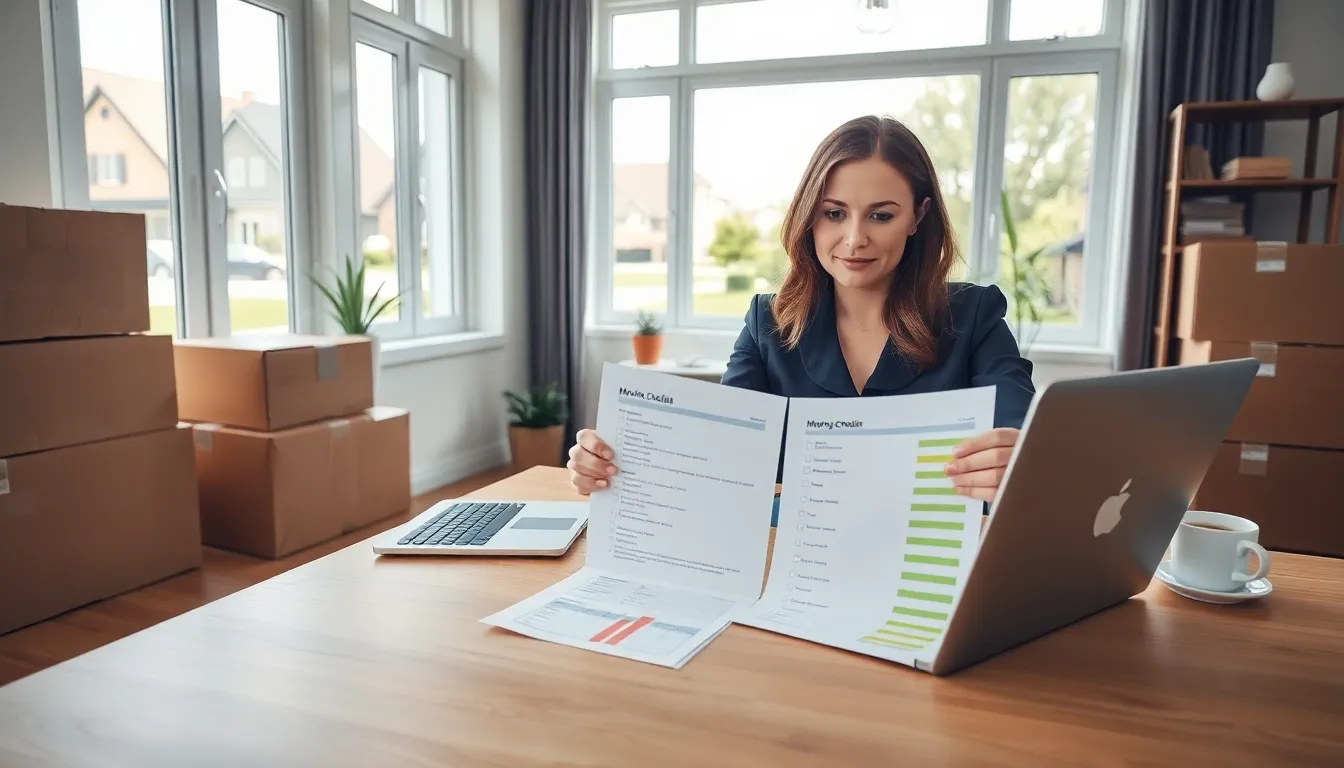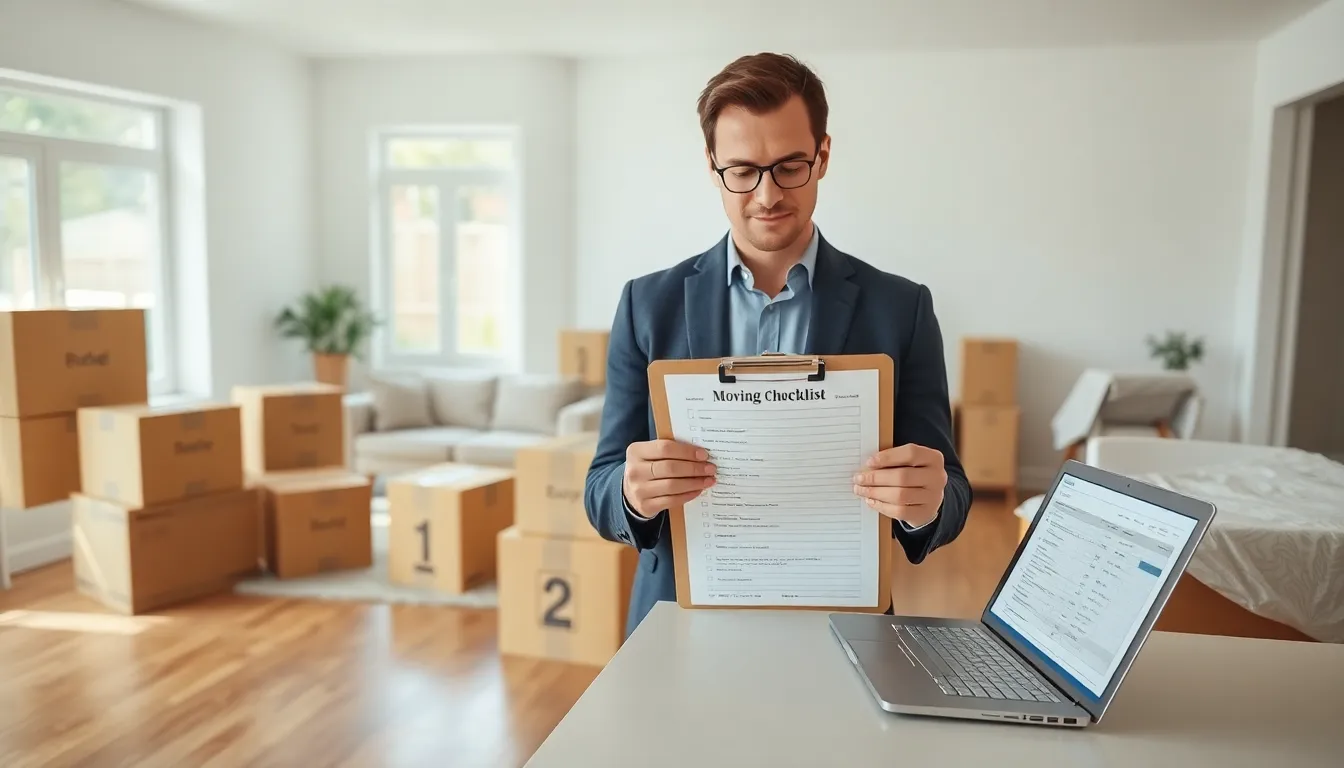

Moving day planning tips can mean the difference between chaos and a smooth transition to a new home. Most people underestimate how much coordination goes into a successful move. They pack boxes, hire movers, and hope for the best. But hope isn’t a strategy.
A well-planned moving day reduces stress, saves time, and protects belongings from damage. The key is preparation. From creating a timeline to packing an essentials box, each step builds toward a successful move. This guide covers practical moving day planning tips that keep everything on track from morning until the last box lands in its new room.
Table of Contents
ToggleKey Takeaways
- Create a detailed moving day timeline at least two weeks in advance and share it with movers, family, and helpers to keep everyone aligned.
- Pack an essentials box with toiletries, medications, chargers, snacks, and important documents—and keep it with you, not on the truck.
- Clear pathways, disassemble large furniture, and protect floors before movers arrive to speed up the process and prevent damage.
- Use a color-coded labeling system and create an inventory list to track every box and ensure items end up in the right rooms.
- Set up a command center where keys, important contacts, and essential items stay accessible throughout the move.
- Take photos of your old home after everything is out to protect against unfair security deposit deductions.
Create a Moving Day Timeline
A moving day timeline keeps everyone on the same page. Without one, tasks pile up, movers wait around, and small problems become big ones.
Start planning the timeline at least two weeks before moving day. Write down every task that needs to happen, from waking up to handing over keys. Assign specific times to each activity.
Here’s a sample moving day timeline:
- 6:00 AM – Wake up, eat breakfast, complete final packing
- 7:30 AM – Do a walkthrough of the home
- 8:00 AM – Movers arrive, supervise loading
- 12:00 PM – Break for lunch, check progress
- 2:00 PM – Final walkthrough of old home
- 3:00 PM – Travel to new home
- 4:00 PM – Supervise unloading at new location
- 7:00 PM – Set up essentials and beds
This timeline serves as a framework. Adjust it based on the distance between homes and the size of the move.
Moving day planning tips like this one prevent common mistakes. People often forget to account for traffic, elevator reservations in apartment buildings, or utility activation times. Build buffer time into the schedule. A 30-minute cushion between major tasks absorbs unexpected delays.
Share the timeline with everyone involved. Movers, family members, and helpers should know when to arrive and what to expect. Clear communication prevents confusion and keeps the day moving forward.
Pack an Essentials Box for Easy Access
An essentials box contains everything needed for the first 24 hours in a new home. It stays with the owner, not on the moving truck.
Think about what gets used immediately after arriving. Toiletries, phone chargers, medications, snacks, and a change of clothes top the list. These items shouldn’t get buried under kitchen supplies or winter coats.
Here’s what to include in an essentials box:
- Toiletries – Toothbrush, toothpaste, soap, toilet paper
- Medications – Prescriptions and basic first aid supplies
- Electronics – Phone chargers, laptop, tablet
- Clothing – One outfit per person, pajamas, underwear
- Snacks and drinks – Granola bars, bottled water, coffee
- Important documents – IDs, lease or closing papers, moving contracts
- Basic tools – Screwdriver, box cutter, flashlight
- Pet supplies – Food, bowls, leash (if applicable)
- Bedding – Sheets and pillows for the first night
Label this box clearly. Use bright tape or a distinct color so it stands out. Better yet, transport it personally in the car.
Moving day planning tips often overlook this step. People assume they’ll find what they need quickly. They won’t. Boxes take hours to unpack. Having essentials ready saves frustration and keeps energy levels up throughout the day.
For families with children, pack a separate bag with toys, books, and comfort items. Kids handle moving day better when they have familiar objects nearby.
Prepare Your Home for the Movers
Movers work faster in a prepared space. A little effort before they arrive saves hours during the move.
Start by clearing pathways. Remove rugs, cords, and obstacles between rooms and exits. Movers carry heavy furniture through these spaces. Tripping hazards slow them down and risk injury.
Disassemble large furniture in advance. Beds, tables, and shelving units move easier when broken down. Keep hardware in labeled bags taped to the furniture piece. This prevents lost screws and speeds up reassembly.
Protect floors and walls. Lay down cardboard or drop cloths in high-traffic areas. Door frames take a beating during moves, consider adding corner protectors if the move involves bulky items.
These moving day planning tips also apply to the new home. Before the truck arrives, do a walkthrough. Check that utilities work. Note which rooms need extra protection. Decide where large furniture goes before movers ask.
Reserve parking close to the entrance. In apartments or busy neighborhoods, this might require a permit. A moving truck parked far away adds time and effort to every trip.
Communicate clearly with the moving crew. Point out fragile items, heavy boxes, and anything requiring special care. Good communication builds trust and helps movers prioritize tasks.
Offer water and snacks. Moving is physical work. A small gesture keeps morale high and shows appreciation for the crew’s effort.
Stay Organized During the Move
Organization prevents chaos on moving day. With boxes everywhere and people asking questions, it’s easy to lose track of progress.
Use a labeling system for all boxes. Write the room name and a brief description of contents on at least two sides. Color-coded labels work even better, assign each room a color and mark boxes accordingly. Movers can place boxes in the correct room without asking.
Create an inventory list. Number each box and write down its contents. This list helps track everything during transport. If a box goes missing, the list identifies what was inside.
Designate a command center. This is one spot, a corner, a folding table, or even a car trunk, where important items stay. Keys, phone chargers, snacks, and the essentials box belong here. Everyone involved should know where the command center is.
Moving day planning tips emphasize staying present. Resist the urge to start unpacking while loading continues. Focus on supervising the move. Answer questions from the crew. Check boxes as they leave and arrive.
Take photos of the old home after everything is out. Document the condition of walls, floors, and appliances. This evidence protects against unfair security deposit deductions.
At the new home, direct traffic. Stand near the entrance and tell movers where each item goes. Quick decisions prevent furniture from landing in wrong rooms.
Keep contact information handy. The moving company’s number, the landlord’s contact, and utility providers should all be accessible. Problems arise, having these numbers ready speeds up solutions.