
Moving day planning techniques can transform a chaotic relocation into a smooth, manageable process. The average American moves 11.7 times in their lifetime, yet many still approach each move without a solid strategy. A well-organized plan reduces stress, saves money, and prevents those last-minute scrambles that leave boxes unlabeled and essentials buried.
This guide covers practical moving day planning techniques that work. From creating timelines to packing strategies, these methods help movers stay on track and arrive at their new home ready to settle in, not recover from the chaos.
Table of Contents
ToggleKey Takeaways
- Start your moving timeline eight weeks before the move to handle unexpected issues without last-minute panic.
- Use the four-box method (keep, donate, sell, trash) to declutter and reduce moving costs.
- Pack room by room with color-coded labels showing destination, contents, and priority level for efficient unpacking.
- Prepare an essentials box with toiletries, tools, chargers, and documents—load it last and unload it first.
- Confirm all logistics with movers, utilities, and parking arrangements at least one week before moving day.
- Effective moving day planning techniques transform a stressful relocation into a smooth, organized process.
Create a Moving Timeline and Checklist
A moving timeline serves as the backbone of successful moving day planning techniques. Starting early, ideally eight weeks before the move, gives enough breathing room to handle unexpected issues without panic.
Eight to Six Weeks Out:
- Research and book moving companies or reserve a rental truck
- Start gathering packing supplies
- Notify landlords, employers, and schools of the upcoming move
- Begin sorting through belongings
Four to Two Weeks Out:
- Pack non-essential items and seasonal belongings
- Update addresses with banks, subscriptions, and government agencies
- Arrange utility transfers and disconnections
- Confirm moving company details
Final Week:
- Pack remaining items except daily essentials
- Clean the current residence
- Confirm logistics with movers or helpers
- Prepare the essentials box
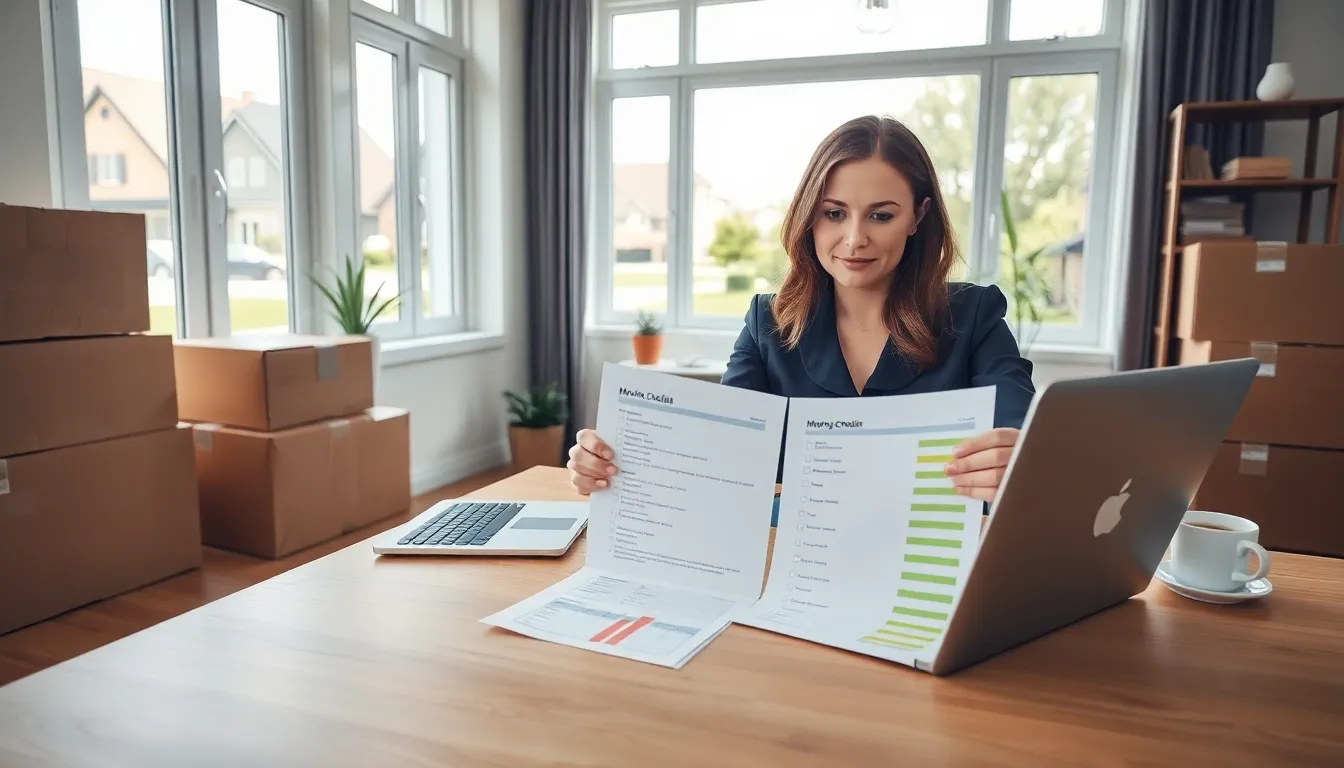
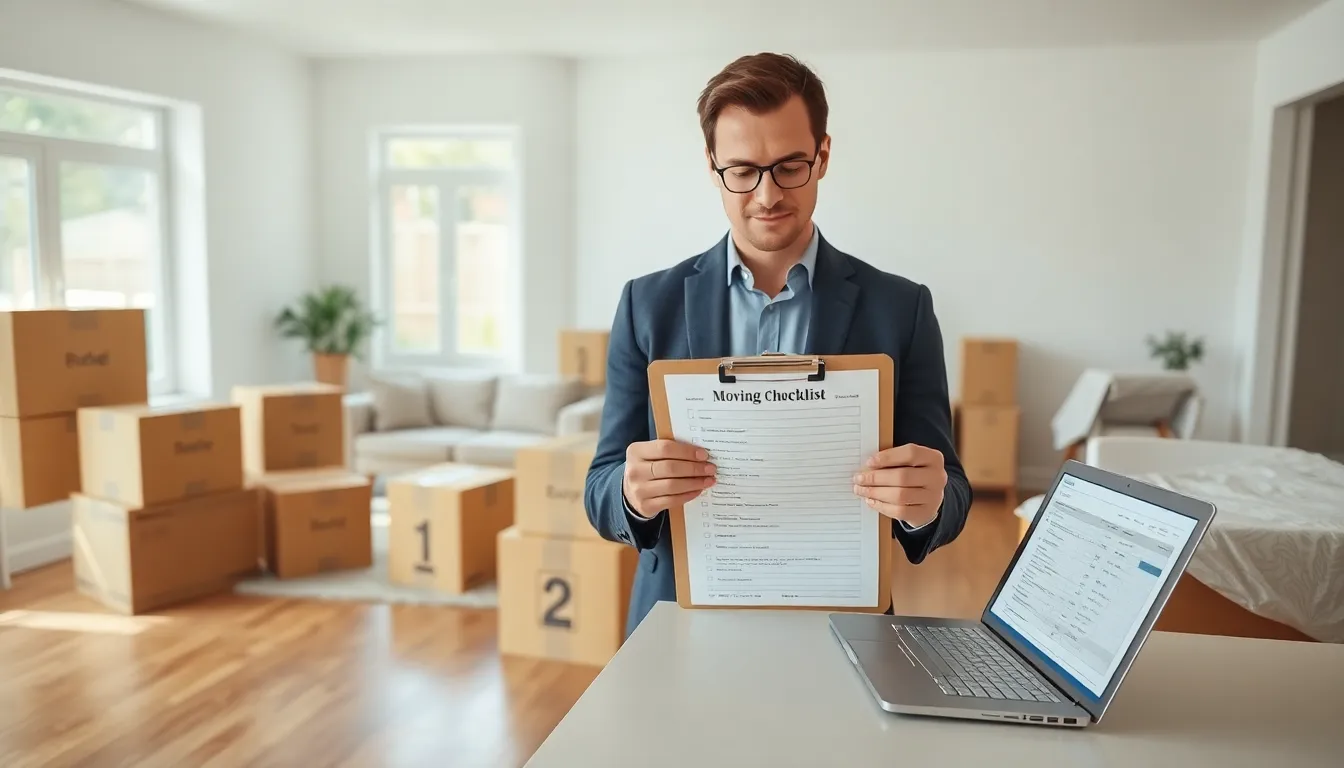
A physical or digital checklist keeps tasks visible and trackable. Crossing items off provides motivation and ensures nothing slips through the cracks. Many successful movers recommend apps like Sortly or Moved, though a simple spreadsheet works just as well.
The key is consistency. Checking the timeline daily, even for five minutes, keeps momentum going and prevents that overwhelming last-week rush.
Organize and Declutter Before Packing
Decluttering before packing saves time, money, and effort. Moving companies charge by weight or truck space, so fewer items mean lower costs. Plus, unpacking becomes faster when only wanted belongings arrive at the new home.
The four-box method works well for sorting:
- Keep: Items that are useful, loved, or necessary
- Donate: Good-condition items others can use
- Sell: Valuable items worth the effort of listing
- Trash: Broken, expired, or worn-out items
Room-by-room decluttering prevents burnout. Tackling one space completely before moving to the next creates visible progress and maintains focus. Start with storage areas like closets, garages, and basements, they often hold the most forgotten items.
Selling unwanted items can fund moving expenses. Facebook Marketplace, Craigslist, and local consignment shops offer quick options. For donations, schedule a pickup with organizations like Habitat for Humanity or local charities at least two weeks before moving day.
One helpful question to ask about each item: “Would I pay to move this?” That perspective often clarifies what truly deserves space in the new home.
Pack Strategically Room by Room
Strategic packing ranks among the most effective moving day planning techniques. A room-by-room approach keeps items organized and makes unpacking logical at the destination.
Labeling System:
Label every box on multiple sides with:
- Room destination
- General contents
- Priority level (unpack first, second, or later)
Color-coded tape or stickers speed up the sorting process. Assign each room a color, and movers can place boxes correctly without reading every label.
Packing Order:
Start with rooms used least frequently:
- Guest rooms and storage areas
- Dining rooms and formal living spaces
- Secondary bathrooms
- Bedrooms
- Kitchen (pack strategically, keeping some dishes out until the final days)
Packing Tips That Prevent Damage:
- Wrap fragile items in packing paper or clothing
- Fill empty spaces in boxes to prevent shifting
- Keep boxes under 50 pounds for safe lifting
- Pack books in small boxes
- Use original packaging for electronics when possible
Taking photos of electronic setups before disconnecting helps with reassembly. A quick snapshot of TV connections or computer cable arrangements saves hours of frustration later.
Moving day planning techniques work best when packing stays consistent. Setting a daily goal, like two boxes or one closet, maintains progress without exhaustion.
Prepare an Essentials Box for Moving Day
An essentials box contains everything needed for the first 24 to 48 hours in the new home. This box stays accessible, never loaded deep in the moving truck.
What to Include:
- Toiletries: toothbrushes, soap, toilet paper, medications
- Basic tools: screwdriver, hammer, box cutter, flashlight
- Phone chargers and important documents
- Snacks and bottled water
- Change of clothes for each family member
- Paper towels and cleaning supplies
- Pet supplies if applicable
- Bedding or sleeping bags for the first night
Some movers pack a separate bag for each family member with personal items and a change of clothes. This approach works especially well for families with children who need familiar items during the transition.
Keeping important documents, IDs, lease agreements, closing papers, medical records, in a folder that travels with the family prevents stress if boxes get delayed or mislabeled.
The essentials box should be the last item loaded and the first item unloaded. Mark it clearly with bold labels like “OPEN FIRST” to distinguish it from regular boxes.
Coordinate Logistics and Final Details
Final logistics determine whether moving day runs smoothly or spirals into chaos. Confirming details a week before prevents last-minute surprises.
Moving Company Coordination:
- Confirm arrival time, address, and contact numbers
- Verify the total cost and payment method
- Discuss parking arrangements at both locations
- Note any large or fragile items requiring special handling
DIY Move Logistics:
- Confirm truck rental pickup time and location
- Recruit helpers and confirm their availability
- Plan the loading order (heavy furniture first, essentials last)
- Map the route and check for road closures
Utilities deserve attention too. Schedule disconnection at the old address for the day after moving out, this provides a buffer for last-minute cleaning. Arrange connection at the new address for the day before arrival to ensure lights, water, and heating work immediately.
Parking matters more than many realize. Reserve street parking if needed, or clear driveway space for the moving truck. Some cities require permits for large vehicles on residential streets.
On moving day itself, a simple walkthrough of the old home catches forgotten items. Check closets, cabinets, the garage, and outdoor spaces. Many people forget attic items, garden hoses, and garage wall hooks.
Moving day planning techniques culminate in this final coordination. Every confirmed detail reduces stress and keeps the process on schedule.