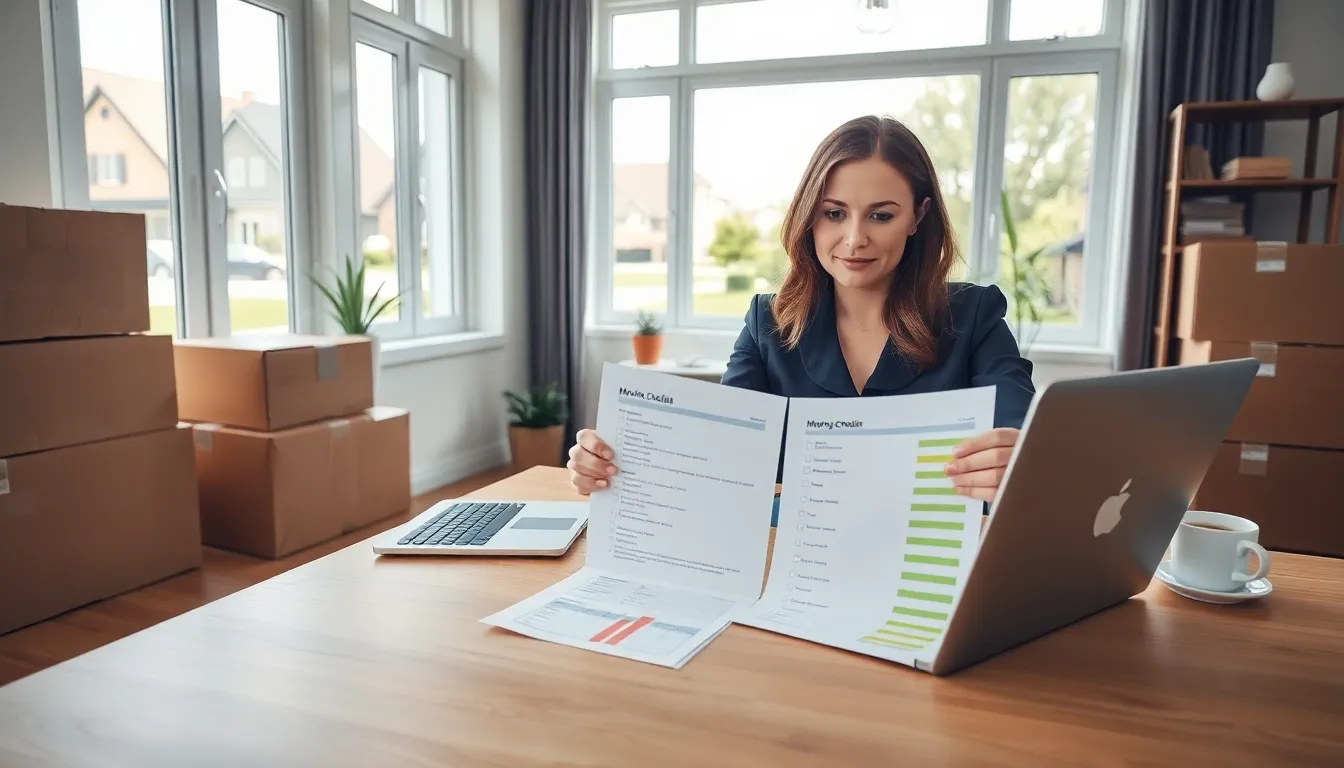

Moving day planning can make the difference between chaos and a smooth transition to a new home. Without a clear plan, people often face lost items, unexpected delays, and unnecessary stress. This guide breaks down every step of the moving process into actionable tasks. Readers will learn how to create a timeline, pack efficiently, organize logistics, and settle into their new space with ease. Whether someone is moving across town or across the country, these strategies apply to any situation.
Table of Contents
ToggleKey Takeaways
- Start your moving day planning at least eight weeks in advance to allow time for decluttering, booking movers, and handling unexpected issues.
- Pack one room at a time with clearly labeled boxes to speed up both loading and unpacking at your new home.
- Create an essentials box with phone chargers, toiletries, snacks, and medications—load it last so you can access it first.
- Confirm parking permits, elevator reservations, and mover arrival times at least 48 hours before the move to prevent delays.
- Keep valuables, important documents, and medications with you during the move rather than on the moving truck.
- Give yourself grace during the settling-in process—prioritize essential rooms first and allow time to adjust to your new space.
Create Your Moving Day Timeline
A solid timeline forms the backbone of successful moving day planning. Starting early gives people the flexibility to handle surprises without panic.
Eight Weeks Before Moving Day
This is the time to research moving companies and request quotes. People should also begin decluttering their homes. Selling, donating, or discarding items they no longer need reduces the load and lowers moving costs. Creating a moving binder or digital folder helps keep all documents, contracts, and receipts in one place.
Four to Six Weeks Before
Now is the time to confirm the moving company or reserve a rental truck. People should notify important parties of their address change: employers, banks, insurance providers, and subscription services. They can also start gathering packing supplies and packing items they rarely use.
Two Weeks Before
Packing should be in full swing by this point. People should confirm travel arrangements if they’re moving long-distance. They should also schedule utility disconnections at the old address and connections at the new one.
One Week Before
The final week involves packing essentials, confirming details with movers, and preparing an overnight bag with clothes, toiletries, and important documents. This bag travels with the person, not on the truck.
The Day Before
People should do a final walkthrough of their home. They need to check closets, cabinets, and outdoor spaces for forgotten items. Charging phones and devices ensures communication stays open on moving day.
Essential Packing and Preparation Tips
Packing takes more time than most people expect. Smart packing strategies save hours during both loading and unpacking.
Start with a Room-by-Room Approach
Packing one room at a time keeps items organized. Each box should contain items from a single room, clearly labeled on multiple sides. This system speeds up unpacking and helps movers place boxes in the correct rooms.
Use the Right Box Sizes
Heavy items like books belong in small boxes. Light, bulky items like linens work best in large boxes. This balance prevents boxes from becoming too heavy to lift safely.
Protect Fragile Items
Wrapping dishes individually in packing paper prevents chips and cracks. Placing heavier items on the bottom of boxes and lighter items on top protects delicate pieces. Filling empty spaces with paper or clothing stops items from shifting during transport.
Create an Essentials Box
This box contains items people need immediately upon arrival: phone chargers, basic tools, toilet paper, snacks, medications, and a change of clothes. Labeling it clearly and loading it last ensures quick access.
Take Photos of Electronics
Before disconnecting TVs, computers, and stereo systems, people should photograph the cable connections. These photos serve as a guide during setup at the new home.
Organizing Logistics and Supplies
Good logistics prevent delays and confusion on moving day. Planning transportation, supplies, and access details in advance keeps everything on track.
Gather Packing Supplies Early
People need more boxes than they think. A typical three-bedroom home requires 40 to 60 boxes. Other supplies include packing tape, markers, bubble wrap, and furniture pads. Buying supplies in bulk or sourcing free boxes from local stores saves money.
Confirm Parking and Building Access
In urban areas, people may need parking permits for moving trucks. They should contact building management at both locations to reserve elevators or loading areas. This step prevents last-minute scrambling.
Plan for Pets and Children
Moving day can overwhelm pets and young children. Arranging for a friend or family member to watch them keeps everyone safe and reduces stress. If that’s not possible, setting up a quiet room away from the action works as an alternative.
Prepare an Inventory List
An inventory list tracks every box and piece of furniture. Numbering boxes and noting their contents on the list helps people verify that everything arrives. This record also proves useful for insurance claims if items go missing or get damaged.
Coordinate with Movers
People should confirm the arrival time, payment method, and any special instructions with their moving company at least 48 hours before the move. Clear communication prevents misunderstandings.
What to Do on Moving Day
Moving day planning pays off when the actual day arrives. Following a clear sequence of actions keeps the process efficient.
Start Early
Waking up early gives people time to complete last-minute packing and eat a proper breakfast. Energy matters, moving is physically demanding work.
Do a Final Walkthrough
Before movers arrive, people should check every room, closet, and cabinet. They should also inspect outdoor areas, the garage, and the attic. It’s easy to overlook items in familiar spaces.
Direct the Movers
Someone should stay at the old home to answer questions and point out fragile or valuable items. Clear labels on boxes help movers work faster. Pointing out which items to load first (and last) improves efficiency.
Keep Valuables Close
Important documents, jewelry, medications, and electronics should travel with the owner, not on the truck. This precaution protects irreplaceable items.
Stay Hydrated and Take Breaks
Moving day can stretch for hours. Keeping water and snacks available helps everyone maintain energy. Short breaks prevent exhaustion and injuries.
Complete a Final Check at Both Locations
Before leaving the old home, people should check that all utilities are off and doors are locked. Upon arrival at the new home, they should verify that all items made it safely.
Settling Into Your New Home
Unpacking and settling in takes time. A strategic approach makes the new house feel like home faster.
Unpack Room by Room
Starting with essential rooms, kitchen, bathroom, and bedrooms, creates functional living spaces quickly. People can unpack less-used rooms over the following weeks.
Set Up Utilities and Services
Verifying that electricity, water, gas, and internet are working should happen on day one. If anything isn’t connected, contacting providers immediately prevents extended inconvenience.
Update Your Address
People should update their address with the post office, DMV, voter registration, and any remaining accounts. Setting up mail forwarding catches anything sent to the old address.
Meet the Neighbors
Introducing oneself to neighbors builds community connections. Neighbors often share useful information about the area, local services, and community events.
Dispose of Packing Materials
Breaking down boxes and recycling packing materials clears space. Some moving companies accept returned supplies. Local community groups also appreciate free boxes for others who are moving.
Give Yourself Grace
Feeling settled takes time. Not everything needs to be unpacked in the first week. People should prioritize rest and adjustment over perfection.