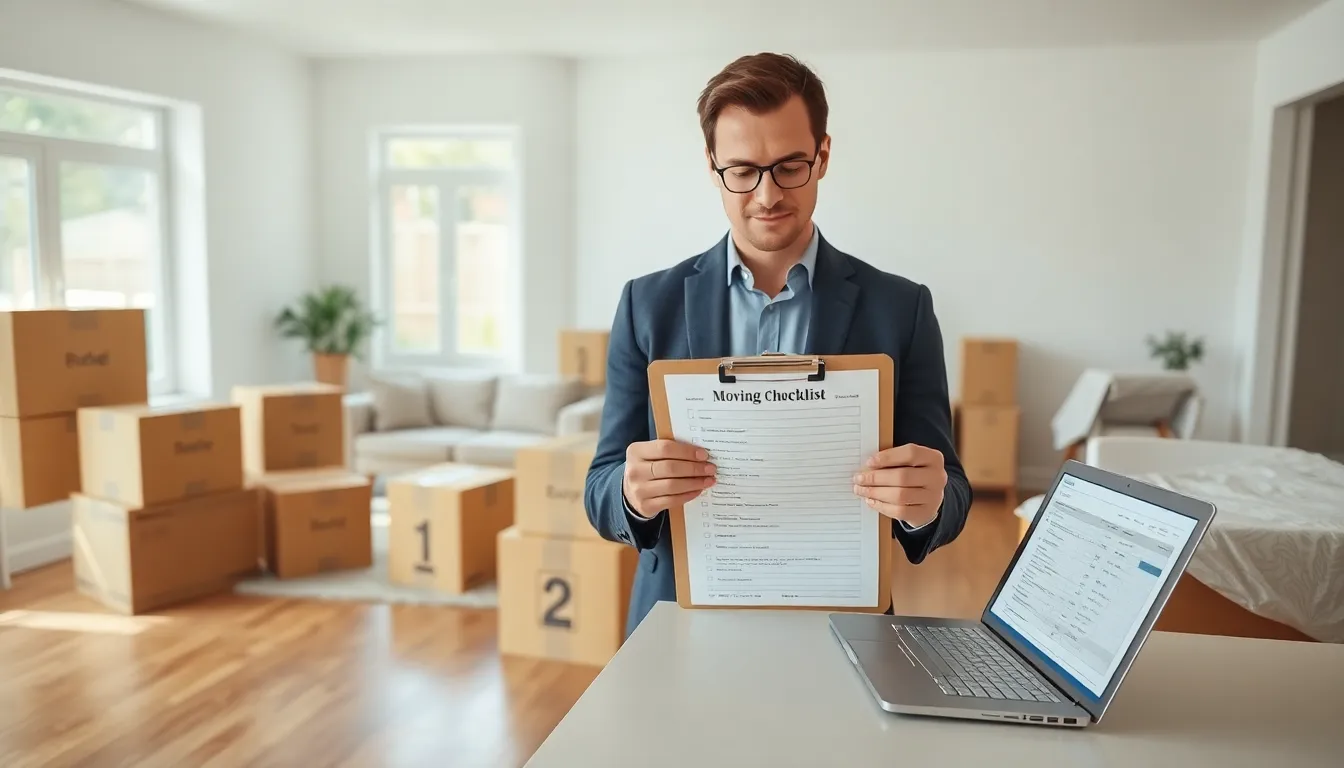
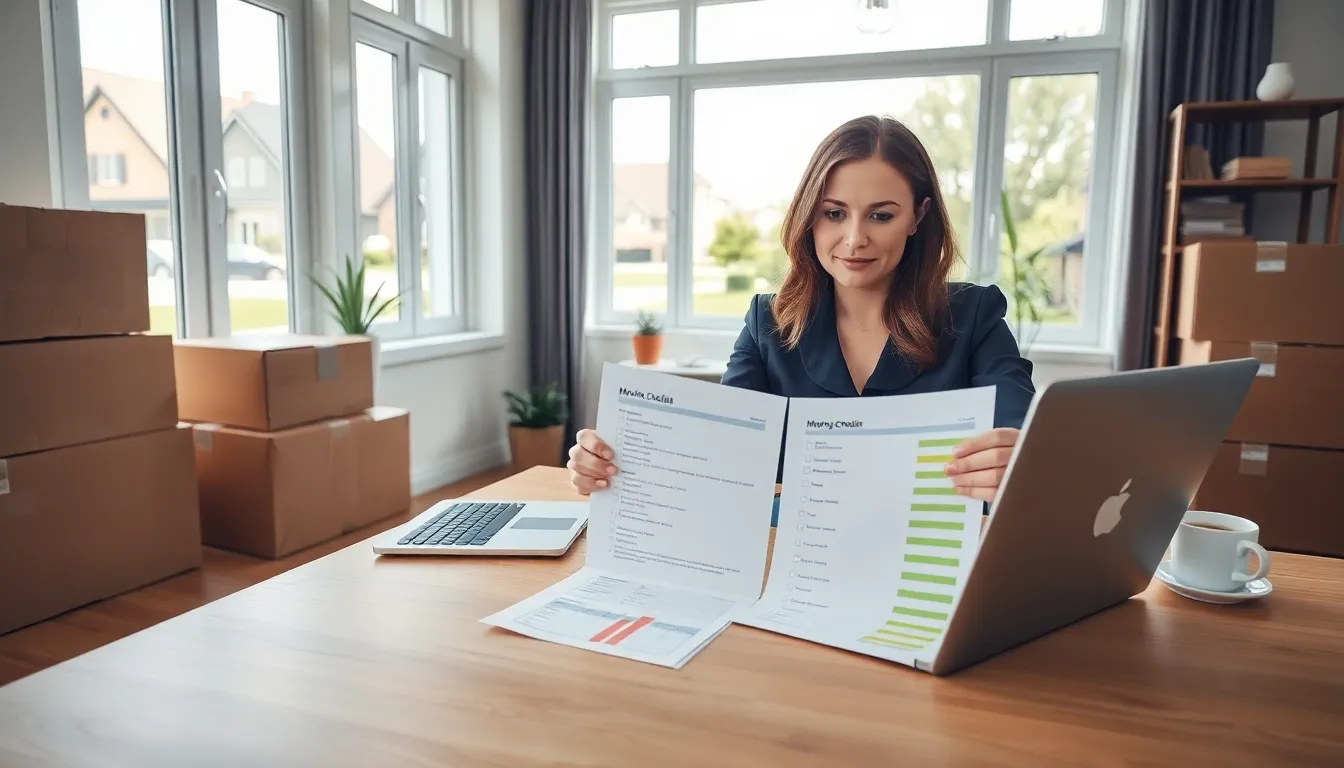
Moving to a new home ranks among life’s most stressful events. A solid moving guide can transform chaos into a manageable process. Whether someone is relocating across town or across the country, knowing how to use moving guides effectively saves time, money, and sanity.
This article explains what moving guides are, what makes them useful, and how to create a personalized version. Readers will also find practical tips for staying organized from start to finish. By the end, anyone facing a move will have a clear roadmap for success.
Table of Contents
ToggleKey Takeaways
- Moving guides break an overwhelming relocation into manageable steps, significantly reducing stress and preventing costly mistakes.
- An effective moving guide includes a timeline, comprehensive checklists, budget tracking, packing strategies, and important contact lists.
- Start using your moving guide at least eight weeks before moving day to avoid last-minute scrambles and rush fees.
- Create a personalized moving checklist by walking through each room and adding tasks specific to your situation, such as specialty items or destination requirements.
- Pack an essentials box with toiletries, chargers, medications, and documents to keep with you—not on the moving truck.
- Use a color-coding system for boxes and label on multiple sides to speed up unloading and unpacking at your new home.
What Is a Moving Guide and Why You Need One
A moving guide is a structured resource that outlines every step of the relocation process. It typically includes checklists, timelines, packing tips, and budget considerations. Think of it as a project plan for one of life’s biggest transitions.
Why does anyone need a moving guide? Simple: moves involve dozens of tasks that happen simultaneously. Without a system, important details slip through the cracks. People forget to update their address with the bank. They pack essentials in boxes that end up on the moving truck. They discover too late that their new apartment doesn’t allow pets.
Moving guides prevent these problems by providing structure. They break an overwhelming project into smaller, manageable steps. A good moving guide answers questions before they become emergencies.
Studies show that organized movers report significantly lower stress levels than those who wing it. The American Moving and Storage Association notes that the average person moves 11.7 times in their lifetime. That’s a lot of opportunities to get it right, or wrong.
Moving guides also help with budgeting. They remind users to get multiple quotes from moving companies, factor in packing supplies, and plan for unexpected costs. A well-structured moving guide can save hundreds or even thousands of dollars by preventing last-minute scrambles and rush fees.
Essential Components of an Effective Moving Guide
Not all moving guides are created equal. The best ones share several key components that make them genuinely useful.
Timeline and Milestones
An effective moving guide starts with a timeline. This usually begins eight weeks before moving day and counts down to the final walkthrough. Each week has specific milestones: research moving companies at week eight, start packing non-essentials at week six, confirm utility transfers at week two.
Comprehensive Checklists
Checklists form the backbone of any moving guide. They cover tasks like:
- Sorting belongings by room
- Gathering packing supplies
- Scheduling disconnection and connection of utilities
- Updating addresses with banks, employers, and subscriptions
- Arranging childcare or pet care for moving day
- Cleaning the old residence
Budget Tracking
Money matters. A good moving guide includes a budget section that lists common expenses: moving company fees, truck rentals, packing materials, security deposits, and travel costs. It should also leave room for unexpected expenses, because something always comes up.
Packing Strategies
Packing is where most moves go sideways. Effective moving guides include room-by-room packing instructions. They explain how to wrap fragile items, label boxes clearly, and pack an essentials bag for the first night in the new home.
Contact Lists
Finally, useful moving guides include space for important contacts: the moving company, real estate agents, utility providers, and emergency contacts. Having this information in one place saves frantic searching on moving day.
How To Create Your Own Personalized Moving Checklist
Generic moving guides provide a solid foundation. But every move has unique requirements. Creating a personalized moving checklist ensures nothing gets overlooked.
Start by downloading or printing a basic moving guide template. These are available free from moving companies, real estate websites, and home improvement stores. Use this as a starting point, not a final product.
Next, walk through each room in the current home. Make notes about items that need special attention. Does the living room have a piano? That requires specialized movers. Is there a wine collection that needs climate-controlled transport? Add it to the list.
Consider the destination. Moving to a different state means updating driver’s licenses and vehicle registrations. Moving to a smaller space might require selling or donating furniture. Moving with children involves school enrollment paperwork. Add these specific tasks to the generic moving guide.
Build the moving checklist around personal priorities. Someone who works from home might prioritize setting up the home office first. A family with young children will want bedrooms functional before anything else.
Assign deadlines to each task. Be realistic, most people underestimate how long packing takes. A three-bedroom house typically needs at least two full weeks of packing time, assuming a few hours of work each day.
Finally, share the personalized moving guide with everyone involved. Partners, roommates, and family members should all know their responsibilities. Digital tools like shared documents or project management apps make this easy.
Tips for Staying Organized Throughout Your Move
Having a moving guide is one thing. Actually following it is another. These practical tips help people stay organized from the first box to the final unpacking.
Start early. Procrastination is the enemy of smooth moves. Begin using the moving guide at least eight weeks before moving day. Even small tasks, like using up freezer food or researching moving companies, add up.
Use a color-coding system. Assign each room a color. Use colored tape or markers on boxes. This system makes unloading faster because movers can place boxes directly in the correct rooms.
Pack an essentials box. This box travels with the mover, not on the truck. It contains toiletries, phone chargers, medications, important documents, a change of clothes, and basic tools. The first night in a new home is much easier when these items are accessible.
Take photos of electronics. Before disconnecting TVs, gaming systems, and computers, photograph the cable connections. This eliminates guesswork during setup.
Label boxes on multiple sides. A box labeled only on top becomes unreadable when stacked. Write contents and destination room on at least two sides.
Keep important documents together. Lease agreements, closing paperwork, moving contracts, and insurance documents should stay in one folder. Carry this folder personally rather than packing it.
Schedule breaks. Moving is physically and emotionally exhausting. The moving guide should include reminders to rest, eat, and hydrate. Burnout leads to mistakes.
Do a final walkthrough. Before leaving the old home, check every closet, cabinet, and storage area. Look behind doors. Check the garage. Many items get left behind simply because someone forgot to look.