
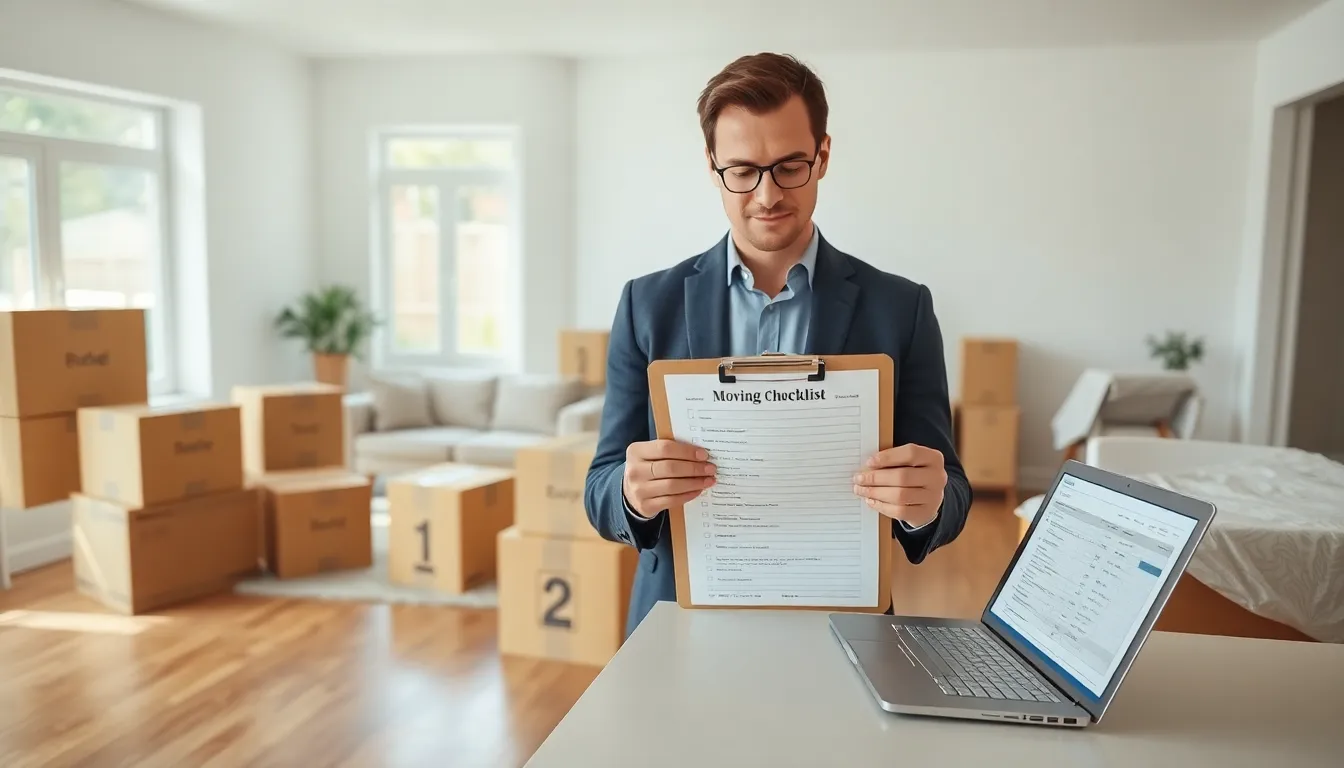
Moving guides strategies can transform a chaotic relocation into a smooth, manageable process. Whether someone is relocating across town or across the country, having a clear plan makes all the difference. Studies show that moving ranks among life’s most stressful events, right up there with divorce and job loss. But it doesn’t have to be that way.
The key lies in preparation. Smart movers break down the process into smaller, actionable steps. They create timelines, set budgets, and organize their belongings weeks before the truck arrives. This article covers proven moving guides strategies that help anyone relocate with confidence and minimal stress.
Table of Contents
ToggleKey Takeaways
- Start your moving timeline 8 weeks before your move date to avoid last-minute stress and forgotten tasks.
- Create a detailed moving budget with a 15-20% buffer for unexpected costs, as local moves average $800-$2,500 and long-distance moves can exceed $5,000.
- Pack one room at a time and label each box with the room name and contents for faster, more organized unpacking.
- Choose your moving method—full-service movers, DIY truck rental, or portable containers—based on your budget, distance, and available time.
- Prepare an essentials box with toiletries, chargers, snacks, and clothes that stays with you on moving day.
- Following proven moving guides strategies transforms a stressful relocation into a smooth, manageable process.
Planning Your Move Timeline
A solid moving timeline starts 8 weeks before the moving date. This gives enough time to handle every task without last-minute panic.
8-6 Weeks Out:
Start by researching moving companies and requesting quotes. Declutter each room and decide what to keep, donate, or sell. This is also the time to gather important documents like medical records, school transcripts, and financial paperwork.
5-4 Weeks Out:
Book the moving company or reserve a rental truck. Begin collecting packing supplies, boxes, tape, bubble wrap, and markers. Notify important parties about the address change: employers, banks, insurance providers, and subscription services.
3-2 Weeks Out:
Start packing non-essential items. Think seasonal decorations, books, and rarely used kitchen gadgets. Confirm arrangements with the moving company and schedule utility transfers for the new address.
1 Week Out:
Pack the remaining items except daily essentials. Create an essentials box with toiletries, phone chargers, snacks, and a change of clothes. This box travels with you, not on the truck.
Following moving guides strategies like this timeline prevents forgotten tasks and reduces stress significantly.
Budgeting and Cost Management
Moving costs add up quickly. The average local move costs between $800 and $2,500, while long-distance relocations can run $2,000 to $5,000 or more.
Create a Detailed Budget:
List every expected expense: moving company fees, packing supplies, truck rental, fuel, insurance, and temporary housing if needed. Add a 15-20% buffer for unexpected costs. Something always comes up.
Ways to Cut Costs:
- Get quotes from at least three moving companies
- Move during off-peak times (mid-month, mid-week, or winter)
- Purge belongings before the move, less stuff means lower costs
- Ask friends or family for help with packing
- Source free boxes from grocery stores or online marketplaces
Hidden Fees to Watch:
Some moving companies charge extra for stairs, long carries from the truck to your door, or heavy items like pianos. Ask about these fees upfront. Read contracts carefully before signing anything.
Good moving guides strategies always include financial planning. Knowing the numbers prevents nasty surprises on moving day.
Packing and Organization Essentials
Packing is where most people struggle. Poor packing leads to broken items, lost belongings, and hours of frustration during unpacking.
The Room-by-Room Approach:
Pack one room at a time. Label each box with the room name and a brief description of contents. This system makes unpacking faster and helps movers place boxes in the correct rooms.
Packing Supplies Checklist:
- Sturdy boxes in various sizes
- Packing tape (more than you think you need)
- Bubble wrap for fragile items
- Packing paper or newspaper
- Markers for labeling
- Stretch wrap for furniture
Pro Packing Tips:
Heavy items go in small boxes. Light items go in large boxes. This prevents boxes from becoming too heavy to lift safely. Wrap fragile items individually and fill empty spaces with paper or towels.
Keep hardware from disassembled furniture in labeled plastic bags. Tape these bags directly to the furniture piece. Nothing is worse than searching for mystery screws during reassembly.
These moving guides strategies for packing save time and protect belongings throughout the move.
Choosing the Right Moving Method
The best moving method depends on budget, distance, and personal circumstances. Each option has distinct advantages.
Full-Service Moving Companies:
They handle everything, packing, loading, transport, and unloading. This option costs more but saves time and physical effort. It works well for long-distance moves or people with busy schedules.
DIY Truck Rental:
Renting a truck and doing the work yourself costs less but requires more effort. This approach suits local moves and people comfortable with heavy lifting. Factor in fuel costs, insurance, and equipment rental for dollies and furniture pads.
Portable Moving Containers:
Companies deliver a container to the home. The homeowner packs and loads it, then the company transports it to the new location. This hybrid option offers flexibility on timing and costs less than full-service moves.
Freight Trailers:
For long-distance moves with smaller loads, freight services offer affordable rates. The homeowner loads their belongings into a shared trailer. Transit times are longer, but costs are lower.
Effective moving guides strategies involve matching the moving method to specific needs and budget constraints.
Moving Day Execution Tips
Moving day arrives fast. Preparation determines whether it runs smoothly or falls apart.
The Night Before:
Confirm arrival time with the moving company. Charge all devices. Pack the essentials box and keep it accessible. Get a good night’s sleep, moving day is physically demanding.
Morning Of:
Eat a solid breakfast. Do a final walkthrough of the home. Check closets, cabinets, and storage areas for forgotten items. Keep important documents, valuables, and the essentials box separate from other belongings.
During the Move:
Stay available to answer questions from the movers. Supervise the loading process without hovering. Take photos of valuable items before they go on the truck, this provides documentation if damage claims become necessary.
At the New Home:
Direct movers to place boxes in the correct rooms. Check off inventory as items arrive. Inspect furniture and boxes for damage before signing the delivery receipt.
After Unloading:
Tip movers if they did good work ($20-50 per person is standard). Unpack the essentials box first. Set up beds and the bathroom before tackling other rooms.
These moving guides strategies for moving day keep things organized and reduce chaos.