House hacking trends 2026 point toward a shift in how investors approach real estate. Rising housing costs continue to push buyers toward creative strategies. House hacking, living in one part of a property while renting out the rest, remains one of the most effective ways to reduce or eliminate monthly housing expenses.
The coming year brings new opportunities and fresh approaches. From accessory dwelling units to smart home technology, house hacking strategies are evolving. Investors who stay ahead of these house hacking trends 2026 will position themselves for stronger returns and greater flexibility. This article breaks down five key developments shaping the house hacking landscape.
Table of Contents
ToggleKey Takeaways
- House hacking trends 2026 highlight ADUs as a top strategy, with relaxed zoning laws and prefab options making construction faster and more affordable.
- Hybrid rental models combining short-term and mid-term stays help house hackers maximize income while navigating stricter local regulations.
- Smart home technology like smart locks, noise monitors, and automated HVAC systems reduces management time and improves tenant experience.
- FHA loans (3.5% down) and DSCR loans based on rental income are expanding financing access for first-time and experienced house hackers alike.
- Midwest cities and suburban locations are emerging as top markets for house hacking trends 2026, offering affordability and strong rental demand.
- Investors who treat house hacking as a hospitality business—with quality furnishings, automation, and multi-platform listings—see the strongest returns.
The Rise of Accessory Dwelling Units
Accessory dwelling units (ADUs) are becoming a cornerstone of house hacking trends 2026. These small secondary homes built on existing residential lots offer property owners a reliable income stream. Cities across the U.S. have relaxed zoning laws to encourage ADU construction, making this option more accessible than ever.
California led the charge with state-wide ADU reforms, but other states are catching up fast. Texas, Florida, and Oregon have all passed legislation to streamline ADU permits. For house hackers, this means fewer bureaucratic hurdles and faster timelines from concept to completion.
The numbers make sense. Building an ADU typically costs between $100,000 and $300,000 depending on size and location. Monthly rental income from these units often ranges from $1,200 to $2,500. In many markets, an ADU can cover a significant portion of a homeowner’s mortgage payment.
Prefabricated ADUs are gaining traction as a cost-effective alternative. Companies now deliver fully finished units that can be installed in weeks rather than months. This speed reduces both construction costs and the time before rental income begins flowing. House hacking trends 2026 suggest prefab ADUs will become even more popular as prices drop and quality improves.
Short-Term Rental Integration Strategies
Short-term rentals remain central to house hacking trends 2026, but the approach is changing. Stricter regulations in major cities have pushed house hackers toward hybrid models. Many investors now combine short-term and mid-term rental strategies to maximize revenue while staying compliant with local rules.
Mid-term rentals, typically 30 to 90 days, attract traveling nurses, corporate relocators, and remote workers. These tenants pay premium rates compared to traditional long-term leases but require less turnover than weekend guests. House hackers find this sweet spot reduces management headaches while maintaining strong cash flow.
Platform diversification is another trend gaining momentum. Savvy house hackers list properties across multiple booking sites. They also market directly to corporate housing companies and relocation agencies. This reduces dependence on any single platform and opens access to different tenant pools.
Furnishing standards have risen significantly. Guests now expect hotel-quality amenities, fast WiFi, and dedicated workspaces. House hackers who invest in quality furnishings and professional photography see higher booking rates. The upfront cost pays dividends through increased nightly rates and better reviews. House hacking trends 2026 reward those who treat short-term rentals as a hospitality business rather than a passive side hustle.
Technology and Smart Home Enhancements
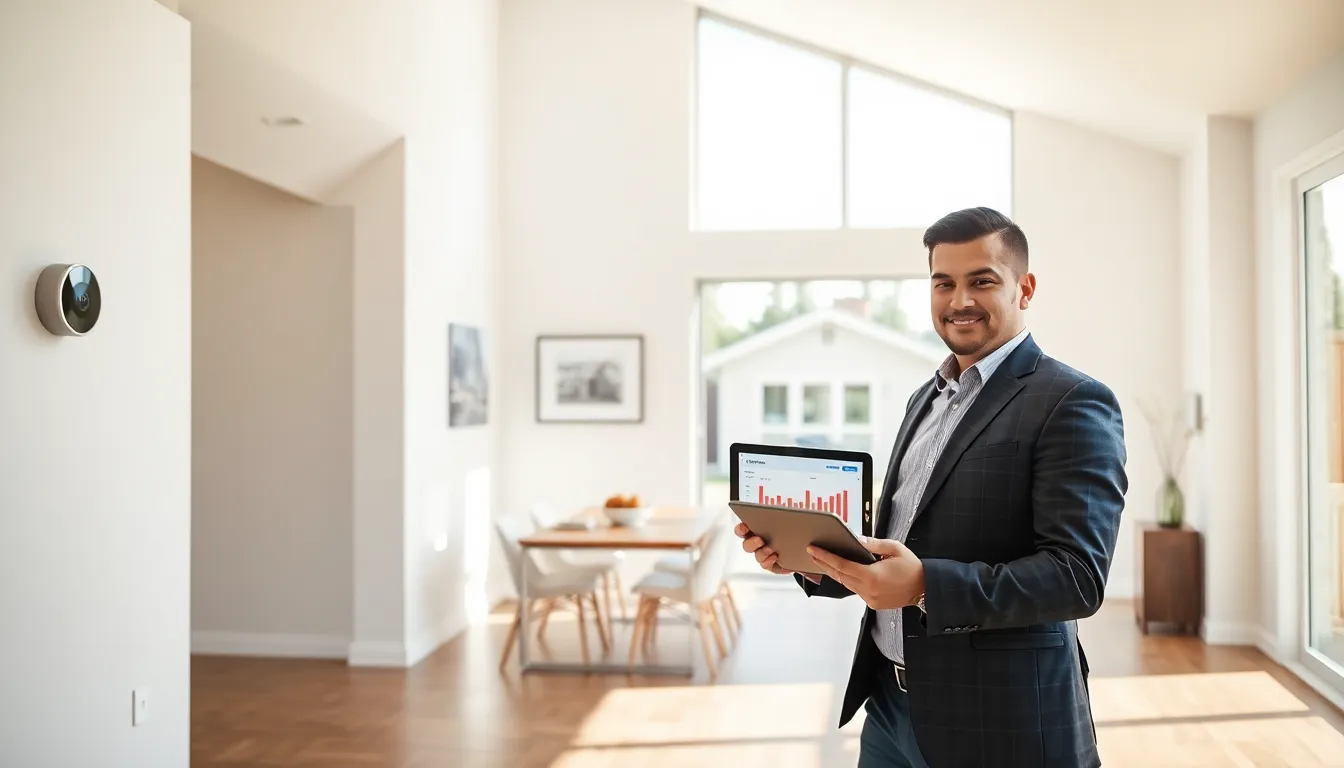
Technology plays an expanding role in house hacking trends 2026. Smart home devices reduce management time and improve tenant experience. The right technology stack can transform a property from high-maintenance to nearly self-running.
Smart locks top the list of essential upgrades. These devices allow house hackers to grant and revoke access remotely. No more coordinating key handoffs or worrying about lost copies. Many smart locks integrate with rental platforms to automate guest codes based on booking dates.
Noise monitoring devices have become standard for short-term rentals. These sensors detect excessive noise levels and alert property owners before neighbors complain. They don’t record conversations, just measure decibel levels. This technology helps house hackers maintain good relationships with neighbors while hosting guests.
Automated HVAC systems cut utility costs and improve comfort. Smart thermostats learn usage patterns and adjust temperatures accordingly. House hackers can set occupied and vacant modes remotely, preventing energy waste between guests.
Property management software ties everything together. Modern platforms handle bookings, guest communication, cleaning schedules, and financial tracking. House hacking trends 2026 favor investors who embrace automation. The time saved can be redirected toward acquiring additional properties or improving existing ones.
Financing Options Gaining Momentum
Creative financing remains essential to house hacking trends 2026. Traditional mortgages still work, but alternative options are expanding access for more buyers.
FHA loans continue to be popular among first-time house hackers. These government-backed loans require just 3.5% down on properties up to four units. The catch: borrowers must live in one unit as their primary residence for at least a year. For house hackers, this requirement aligns perfectly with the strategy.
DSCR loans (Debt Service Coverage Ratio) are gaining ground among experienced investors. These loans qualify borrowers based on the property’s rental income rather than personal income. Self-employed house hackers and those with non-traditional income find DSCR loans especially useful. Lenders typically want the property’s rental income to cover 1.2 to 1.25 times the mortgage payment.
Seller financing is making a comeback in certain markets. Some property owners prefer to act as the bank, collecting monthly payments plus interest. This arrangement can benefit both parties, sellers receive steady income while buyers avoid traditional lending requirements.
Home equity lines of credit (HELOCs) fund many ADU projects and property improvements. House hackers use existing equity to finance additions that generate new income streams. As home values have risen, more owners have tappable equity available. House hacking trends 2026 show investors combining multiple financing strategies to scale their portfolios faster.
Emerging Markets and Location Shifts
Geography matters more than ever in house hacking trends 2026. Investors are looking beyond traditional hot spots toward emerging markets with better fundamentals.
Midwest cities continue attracting house hackers seeking affordability. Cleveland, Indianapolis, and Kansas City offer purchase prices well below coastal markets. These cities provide solid rental demand from healthcare workers, students, and young professionals. Cap rates often exceed what investors find in more expensive metros.
Sun Belt markets remain strong but are becoming more competitive. Cities like Tampa, Phoenix, and Nashville have seen significant appreciation. House hackers in these areas now focus on value-add opportunities, properties needing updates that can command higher rents after renovation.
Suburban and exurban locations are seeing increased interest. Remote work has untethered many renters from downtown offices. House hackers report strong demand in areas 30 to 60 minutes outside major cities. These locations often have larger lots suitable for ADUs and lower purchase prices.
College towns offer reliable tenant pools regardless of economic conditions. Properties near universities benefit from consistent demand. International students, in particular, often prefer furnished rentals and are willing to pay premium rates. House hacking trends 2026 suggest smart investors will continue diversifying across multiple markets to spread risk and capture different opportunities.